






Introduction
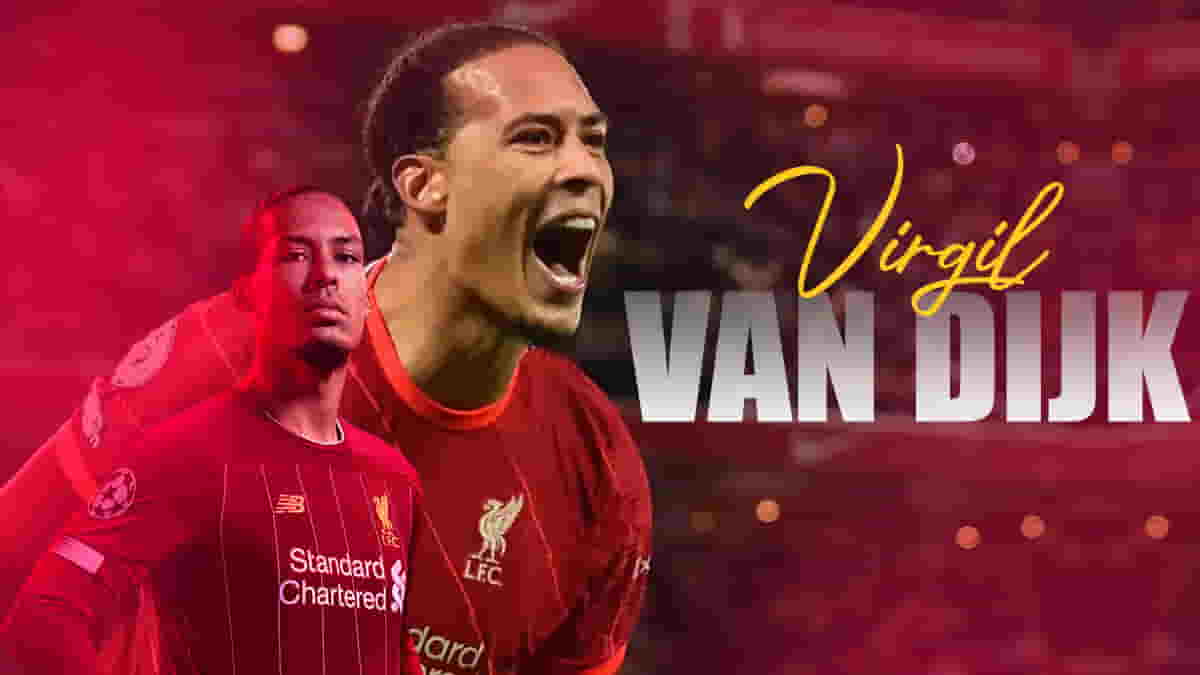
Virgil van Dijk has become synonymous with defensive excellence in modern football. As one of the premier centre-backs in the world, his stature on and off the pitch has garnered significant attention. His journey from humble beginnings in the Netherlands to becoming a key player for Liverpool FC and the Dutch national team exemplifies hard work and talent. This article delves into Van Dijk’s career, his contributions to the game, and his ongoing relevance in football.
Early Career and Development
Born on July 8, 1991, in Breda, Netherlands, Van Dijk began his professional career at FC Groningen, where he made his debut in 2011. His robust physical presence and technical skills soon attracted scouts from larger clubs. In 2015, he made a pivotal move to Celtic FC, where he rapidly developed into a top-tier defender. During his time in Scotland, he won several domestic titles and was named the PFA Scotland Players’ Player of the Year in 2017.
Transition to the Premier League
In January 2018, Van Dijk made a record-breaking transfer to Liverpool for £75 million, making him the most expensive defender at the time. This transfer marked a significant turning point for both Van Dijk and Liverpool. His arrival solidified a previously shaky defence and contributed to an immediate turnaround in the club’s fortunes. Under his leadership at the back, Liverpool secured the UEFA Champions League title in 2019, marking a triumphant return to European glory.
Continued Success and Recognition
Van Dijk’s influence did not stop at club level. He played a crucial role in the Netherlands’ resurgence, helping the national team reach the UEFA Euro 2020 and the Nations League final in 2019. His ability to read the game and leadership qualities earned him individual accolades, including being named PFA Player of the Year for the 2018-2019 season. Although he suffered a major injury in 2020 that sidelined him for much of the season, his comeback was celebrated across the football community.
Conclusion
Virgil van Dijk’s journey from his early days in the Netherlands to becoming a football icon is an inspiring tale of resilience and achievement. His representation of the sport extends beyond the pitch; he is seen as a role model for many aspiring athletes. As he continues to play at a high level for Liverpool and his national team, the football world watches on, eager to see what this remarkable player will accomplish next. His impact on football, particularly in how defenders are perceived in modern play, cannot be understated, ensuring his legacy will be felt for years to come.