









Introduction
Benin, a country located in West Africa, is often overshadowed by its more well-known neighbours like Nigeria and Ghana. However, this small nation boasts a rich tapestry of history, culture, and economic potential that is increasingly capturing global interest. As tourism continues to grow and international partnerships deepen, understanding Benin’s significance becomes essential for those interested in African heritage and contemporary development.
A Glimpse into Benin’s Rich History
Historically known as the Kingdom of Dahomey, Benin was established in the 17th century and became a powerful state until the late 19th century. The kingdom is renowned for its sophisticated governance, strong military, and cultural traditions, including the famous Voodoo religion, which has its roots in Benin. In recent years, the country has embraced its history, showcasing it through museums and cultural festivals, most notably the annual Ouidah Voodoo Festival that draws thousands of tourists.
Cultural Diversity and Festivals
Benin is home to over 60 ethnic groups, each contributing to a rich cultural diversity reflected in language, music, and handicrafts. The official language is French, but numerous indigenous languages are spoken, including Fon and Yoruba. The country’s diverse cultural heritage is celebrated through various festivals, such as the Festival of the Ouidah, which commemorates the arrival of Voodoo and showcases traditional music, dance, and art. These festivals are not only vital for tourism but also for preserving the nation’s cultural identity.
Current Developments and Economic Potential
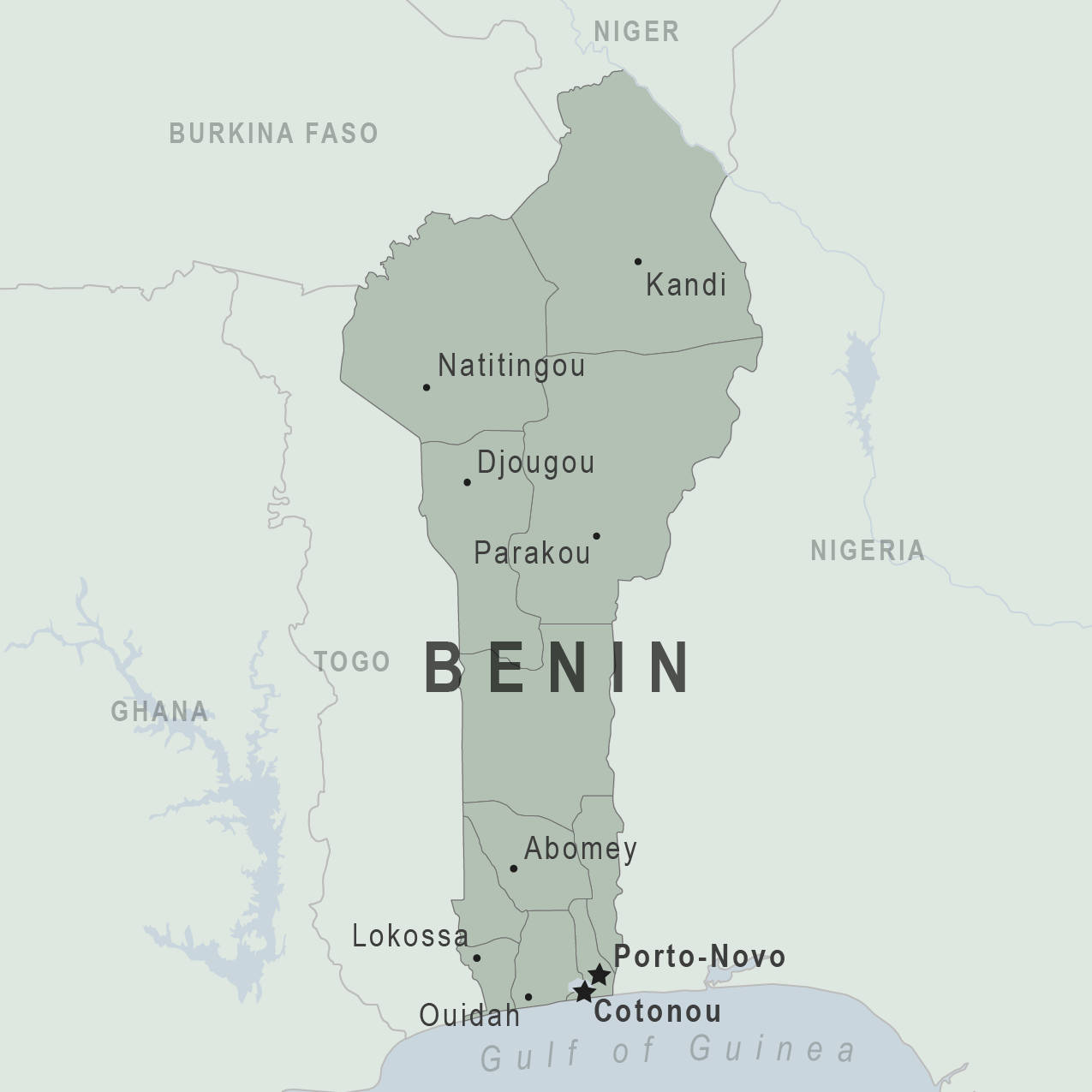
In recent years, Benin has been investing heavily in infrastructure and economic diversification. The government is focusing on sectors such as agriculture, textiles, and renewable energy to enhance the economy and improve living standards. The port of Cotonou, the country’s largest city, serves as a critical trade hub and is pivotal for regional commerce. Additionally, Benin is making strides to establish itself as a centre for digital innovation, with burgeoning initiatives aimed at start-ups and tech enterprises.
Conclusion
As Benin steps into the global spotlight, its rich history, diverse culture, and economic advancement offer a unique window into West Africa’s future. For readers and potential visitors alike, Benin represents not only a chance to witness an extraordinary culture but also an opportunity to engage with a nation poised for growth. Understanding Benin’s significance is integral as it continues to reshape its identity on the world stage and attract interest for investment and tourism.