Introduction
Larnaca, a picturesque city located on the southern coast of Cyprus, serves as a prominent tourist destination thanks to its rich history, beautiful beaches, and vibrant cultural life. This charming coastal city is not only known for its stunning Mediterranean scenery but also for its archaeological sites, bustling markets, and welcoming atmosphere. The significance of Larnaca extends beyond its scenic beauty; it is a place where ancient history meets contemporary life, making it an important hub for both tourism and local culture.
Historical Significance
Larnaca’s history stretches back over 2,000 years, with roots tracing back to the ancient city of Kition, which was known for its copper trade. The remains of this ancient city can still be explored today at archaeological sites like the Kition Necropolis, where visitors can view ancient graves and artifacts. Another iconic site is the Church of Saint Lazarus, built in the 9th century, which is said to be the burial place of Lazarus, who was raised from the dead by Jesus. These historical landmarks attract thousands of visitors each year, offering a glimpse into Cyprus’s rich past.
Natural Beauty and Tourism
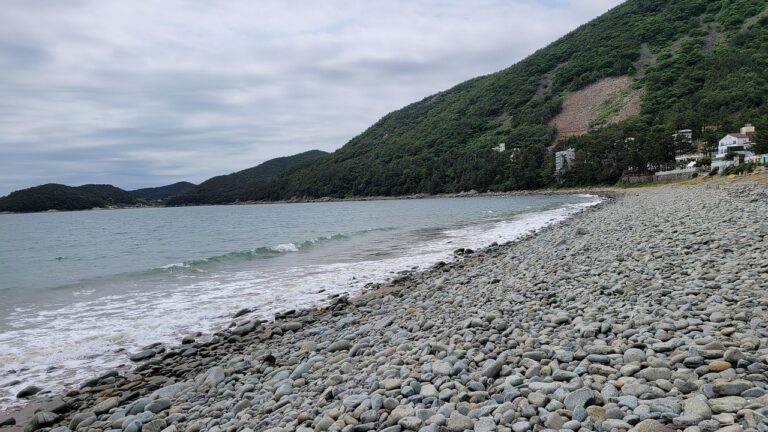
The natural beauty of Larnaca is undeniably one of its biggest draws. The city boasts stunning beaches, such as Finikoudes Beach, known for its sandy shores and clear waters. Visitors can engage in various water sports, enjoy beachside cafes, or take leisurely strolls along the promenade. The warm Mediterranean climate also makes Larnaca an attractive destination year-round.
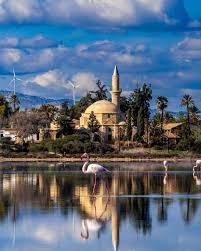
In addition to its beaches, Larnaca offers opportunities for exploration in the surrounding areas. The Hala Sultan Tekke mosque, located by the Salt Lake, is a key pilgrimage site, and the lake itself is a refuge for migratory birds, especially flamingos, in winter. Adventure-seekers can explore the nearby Troodos Mountains or engage in diving in the crystal-clear waters surrounding the island.
Cultural Events and Local Customs
Larnaca is vibrant with cultural events and traditions. Annual festivals such as the Larnaka Festival feature performances by local musicians, art exhibitions, and culinary events, showcasing the local cuisine and customs. The city’s cultural diversity is reflected in its cuisine, with numerous restaurants offering a fusion of Mediterranean dishes, local Cypriot delicacies, and international options.
Conclusion
Larnaca stands out as a significant destination that blends history, culture, and natural beauty. For visitors and locals alike, it represents a unique gateway to experience the essence of Cyprus. As travel resumes and tourism picks up, Larnaca’s appeal is expected to grow, continuing to attract those who seek a blend of adventure, relaxation, and cultural exploration. Whether wandering through ancient ruins or enjoying the sun at the beach, Larnaca promises memorable experiences for all who visit.