










Introduction
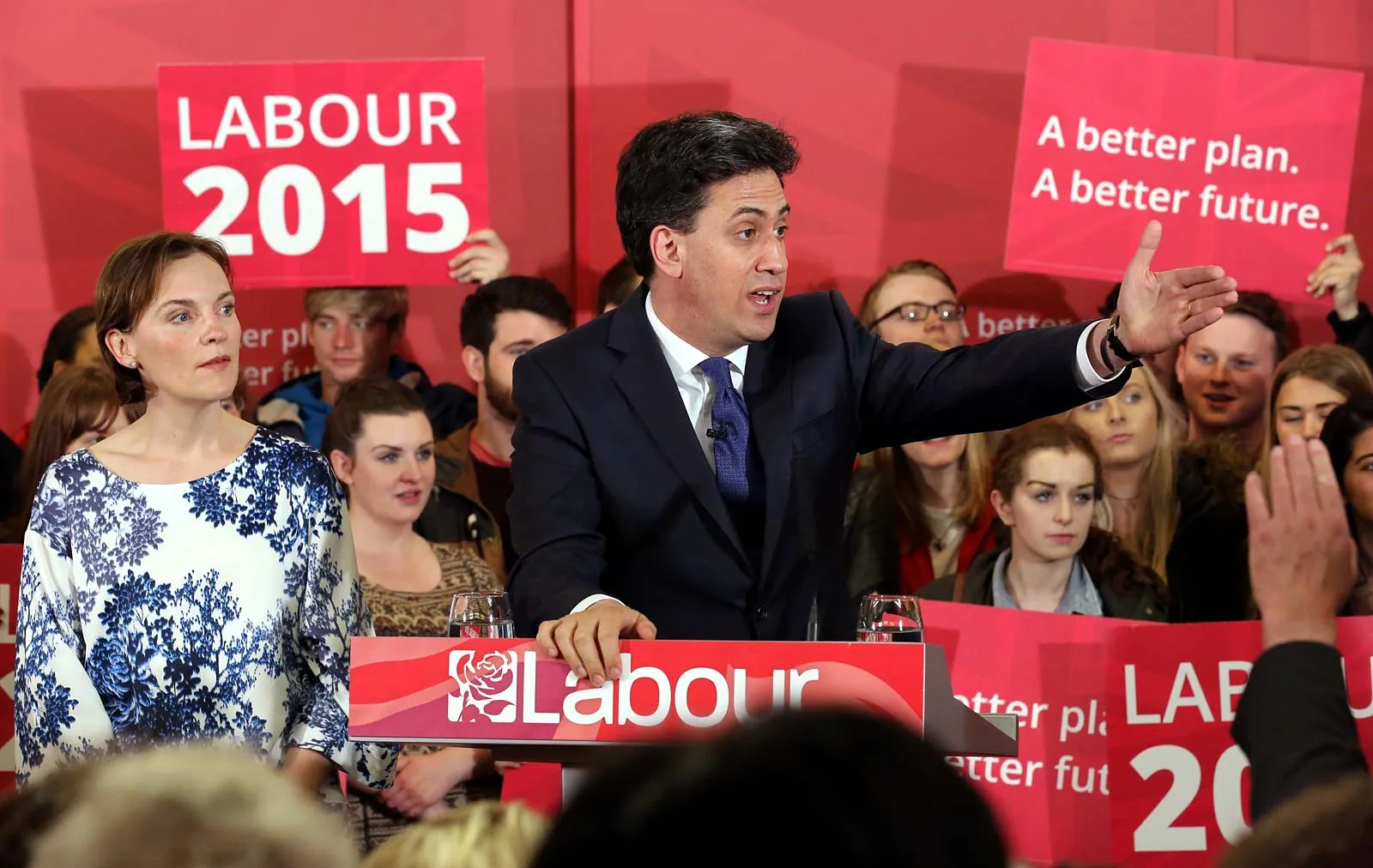
Ed Miliband, the former leader of the UK Labour Party, has been a significant figure in British politics for over a decade. His recent activities, particularly in the context of the ongoing conversations around climate change and social inequality, demonstrate the continued relevance of his political ideologies. As the UK navigates challenging social and environmental issues, Miliband’s thoughts and policy proposals are garnering renewed attention.
Career Overview
Ed Miliband was born on December 24, 1969, and succeeded Gordon Brown as the leader of the Labour Party in 2010. His tenure as leader saw him operate within a politically tumultuous environment, particularly during the backdrop of austerity measures following the 2008 financial crisis. Miliband dwelled on themes of social justice and economic inequality, introducing concepts like the ‘One Nation’ policy, aiming to unite various divides in society.
Recent Contributions
Recently, Miliband has shifted his focus towards climate change, leveraging his platform as the current Shadow Secretary of State for Business and Industrial Strategy. His advocacy for the green economy reflects an urgent need to address the environmental crisis facing the UK and the globe. In 2023, he expressed concerns over governmental policies that threaten the UK’s climate commitments, urging the government to take bold steps to advance renewable energy and sustainable practices.
Furthermore, his participation in various debates surrounding the cost of living crisis highlights his commitment to advocating for vulnerable populations. Miliband’s calls for increasing support for low-income households resonate as the nation grapples with economic pressures, partly exacerbated by the pandemic and the ongoing geopolitical tensions.
Future Prospects
As the political landscape in the UK evolves, Ed Miliband’s influence remains critical. His ability to articulate the Labour Party’s vision through contemporary issues indicates a potential resurgence of his prominence as the party prepares for the next general election. Observers speculate that his focus on climate change and social equity may position him well to appeal to a younger voter base, increasingly concerned about environmental issues.
Conclusion
In conclusion, Ed Miliband’s journey reflects the ever-changing dynamics of British politics. His commitment to pressing societal issues illustrates his integral role in shaping the conversation around the Labour Party’s future policies. As debates around economic inequality and climate change intensify, Miliband’s perspectives are likely to prove significant for both the party and the country at large.