








Introduction
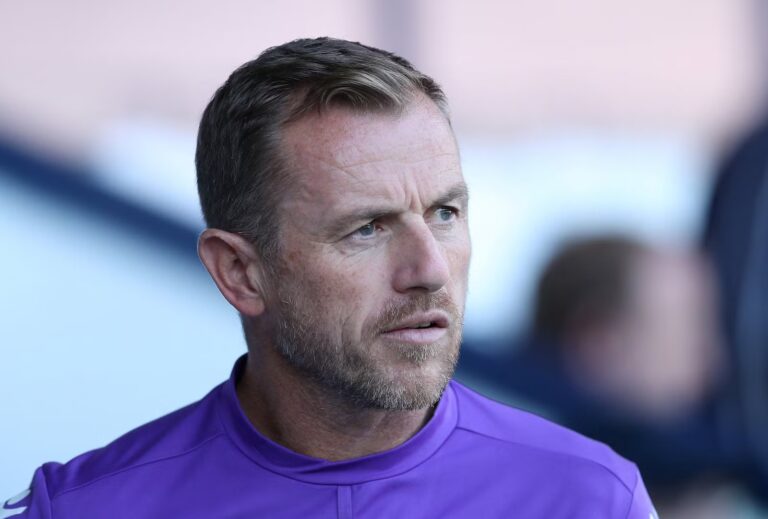
Rúben Amorim, the young manager of Sporting CP, has recently gained significant attention in the world of football for his innovative approach and impressive results. His relevance in contemporary football is underscored by his ability to lead teams to success while managing the pressures of elite competitions. Amorim’s journey from player to manager exemplifies the evolving landscape of football leadership, making him a noteworthy figure in the sport today.
Background and Career
Born on January 15, 1985, in Corroios, Portugal, Amorim started his professional career as a midfielder, playing for clubs like Casa Pia, Olhanense, and most notably, Benfica. His playing career included a significant achievement—winning the Primeira Liga with Benfica in 2005. Following his retirement, Amorim quickly transitioned into coaching, taking over the under-23 squad of SC Braga in 2018. His tactical acumen and leadership quickly became evident, leading to his promotion to the first team, where he won the Taça da Liga in 2020.
Success at Sporting CP
In March 2020, Rúben Amorim was appointed as the head coach of Sporting CP, and he swiftly made a remarkable impact. He led the team to its first Primeira Liga title in 19 years during the 2020-2021 season, an accomplishment that secured his reputation as one of the brightest managerial talents in Europe. His tactical flexibility, focusing on structured defending and fluid attacking play, has attracted admiration from football analysts and supporters alike. Under his guidance, Sporting CP has also performed impressively in European competitions, marking the club as a contender on multiple fronts.
Impact and Future Prospects
Amorim’s coaching philosophy emphasises youth development and an attacking brand of football, leading to an environment where young talents are nurtured. His emphasis on integrating promising players into the first team has revitalised Sporting CP’s squad, making it a hotbed for emerging stars. Looking forward, there are speculations regarding his potential moves to larger clubs across Europe, especially if he continues to produce outstanding results in the domestic league and UEFA competitions.
Conclusion
Rúben Amorim stands out as a symbol of the new generation of football managers who not only understand the sport’s intricacies but also bring fresh ideas to the table. As he continues to evolve in his role at Sporting CP, his story offers valuable insights and inspiration to aspiring coaches and players alike. With the football world watching closely, Amorim’s future promises to be as bright as the glowing success he has already achieved.