









Introduction
With the increasing focus on inclusivity and accessibility, businesses are re-evaluating their policies regarding assistance animals. JD Wetherspoon, one of the largest pub chains in the UK, has recently made headlines for its assistance dog policy. This topic is significant as it affects the rights of individuals with disabilities and their ability to enjoy public spaces freely.
Details of the Policy
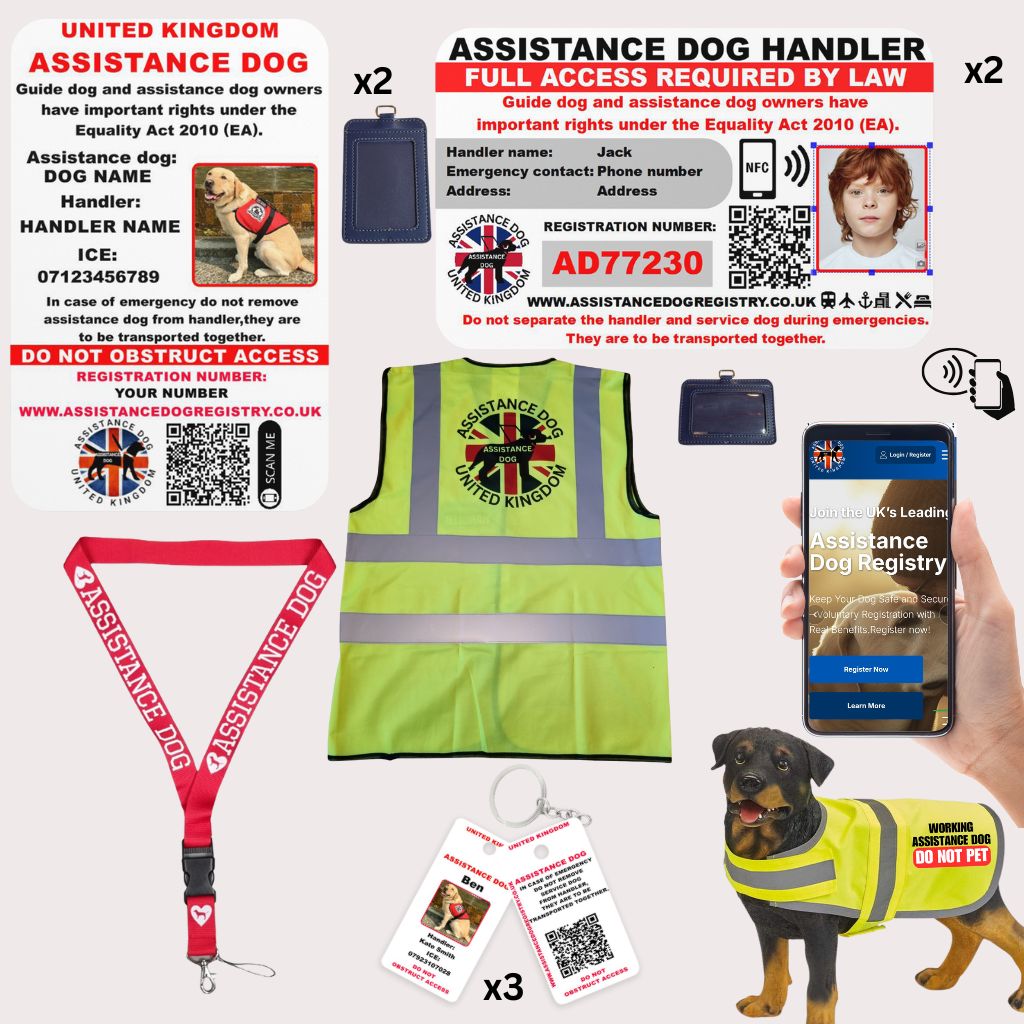
In September 2023, JD Wetherspoon launched an updated assistance dog policy, aimed at clarifying the rules around bringing assistance dogs into their pubs. The chain confirmed that all service dogs, including guide dogs for the visually impaired and hearing dogs for the deaf, are welcome at their establishments. However, there has been confusion regarding the acceptance of emotional support animals and therapy dogs, which do not have the same legal status under the Equality Act 2010.
According to the policy, only dogs trained to assist individuals with a disability are permitted. This decision has sparked discussions about the broader implications for customers who rely on emotional support animals. Many advocates for the disabled view the policy as a positive step towards ensuring that customers feel welcomed, yet there are concerns regarding its limitations.
Public Response and Feedback
The reaction to JD Wetherspoon’s assistance dog policy has been mixed. Supporters of the change argue that it aligns the company with legal obligations and promotes a safe environment for all patrons. Conversely, some customers have expressed disappointment over the exclusion of emotional support animals, citing the essential role they play in helping people manage anxiety, PTSD, and other mental health conditions.
The discourse surrounding this policy has highlighted the need for clearer guidelines defining the differences between assistance dogs and emotional support animals, as well as the related rights of those who require their presence. Organizations such as Guide Dogs UK are advocating for greater awareness and education on this issue, urging businesses to adopt more inclusive policies.
Conclusion
Ultimately, JD Wetherspoon’s revised assistance dog policy serves as an important case study in the ongoing dialogue around disability rights and animal assistance in public spaces. While the decision to welcome trained assistance dogs is commendable, the exclusion of emotional support animals raises pertinent questions about the need for more comprehensive inclusivity. Moving forward, it will be crucial for businesses to balance legal requirements with compassion and understanding for the needs of all customers. By doing so, they can foster an atmosphere of acceptance and support, ensuring that everyone, regardless of their needs, feels welcomed and valued.