








Introduction to Phishing
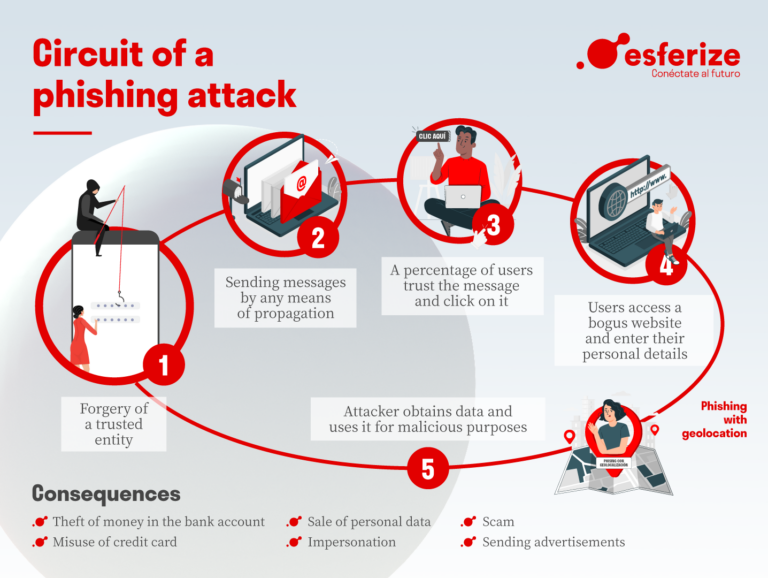
Phishing is a type of cyber-attack where attackers impersonate legitimate organisations to deceive individuals into providing sensitive information, such as personal details, passwords, or financial information. As the digital world continues to expand, understanding phishing and its implications has never been more critical for both individuals and businesses. With an increasing number of reported incidents, awareness and prevention strategies are essential to safeguard personal and financial data.
Types of Phishing
There are various types of phishing attacks that individuals should be aware of:
- Email Phishing: The most common form, where fraudulent emails appear to come from trusted sources, often containing links to malicious websites or attachments.
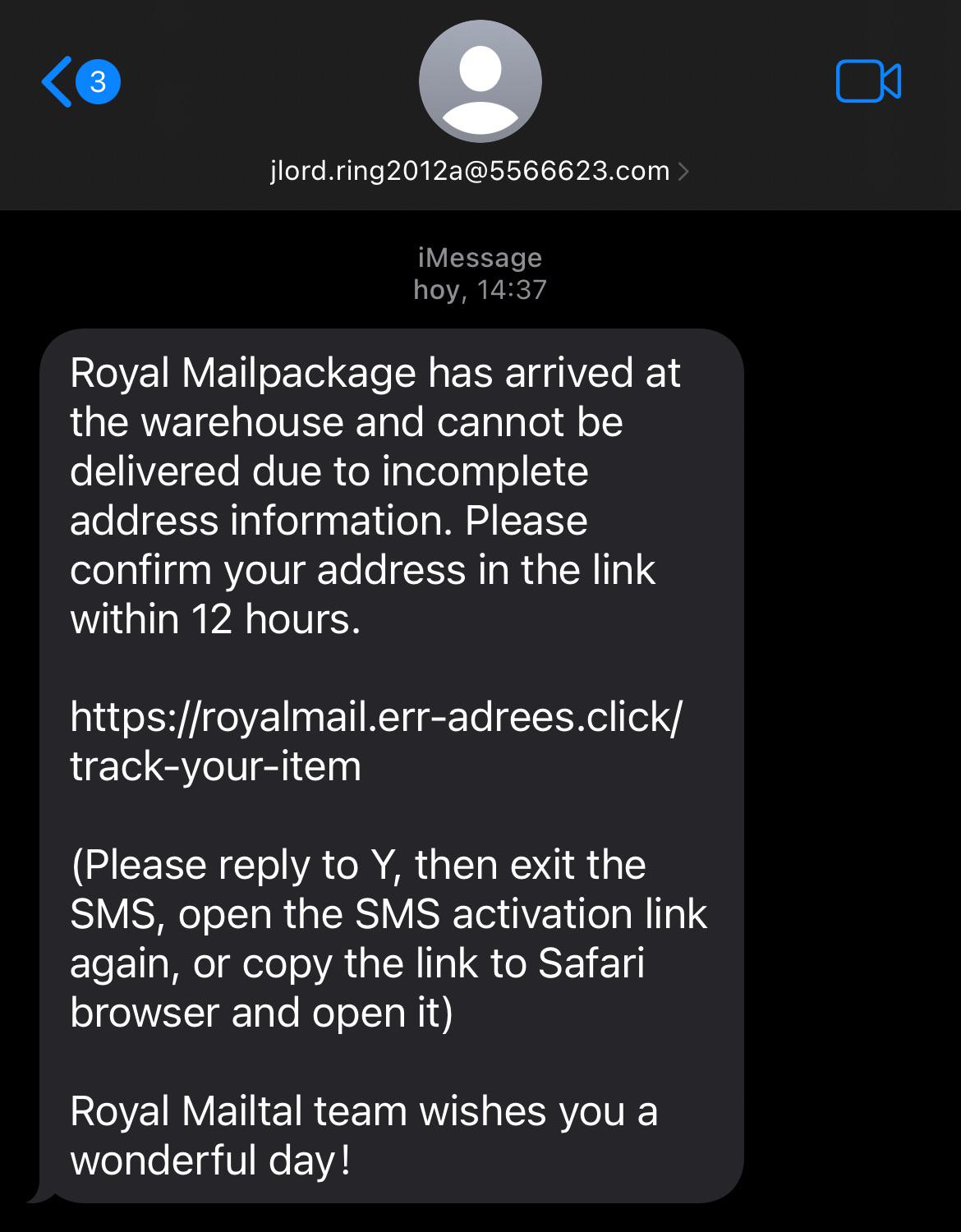
- SMS Phishing (Smishing): This involves sending deceptive text messages to trick users into revealing personal information or downloading malware.
- Voice Phishing (Vishing): Attackers use phone calls to impersonate legitimate entities and convince victims to share sensitive information.
- Website Phishing: Fake websites that mimic the appearance of legitimate sites, tricking users into entering their credentials.
Recent Developments in Phishing Attacks
According to a recent report from the Anti-Phishing Working Group (APWG), the total number of phishing attacks surged by 22% in the first quarter of 2023, setting a new record. Most notably, the pandemic has accelerated digital transformation, leading many users to interact with online services without the requisite caution. Certain sectors, such as finance, e-commerce, and social media, continue to be prime targets for these attacks.
Preventive Measures
To combat phishing attempts, users must adopt a proactive approach:
- Be sceptical of unsolicited emails, especially those requesting sensitive information.
- Always verify the sender’s email address for authenticity.
- Avoid clicking on links or downloading attachments from unknown sources.
- Use two-factor authentication where possible to add an extra layer of security.
- Educate yourself and others on recognising phishing attempts and reporting them.
Conclusion
Phishing remains a pressing threat in today’s technology-driven environment, with new methods evolving regularly. By staying informed and vigilant, individuals and organisations can significantly reduce their risk of falling victim to these scams. Future trends suggest that as technology advances, so will the sophistication of phishing attacks. Thus, ongoing education and proactive measures will be vital in maintaining online security.