










Introduction
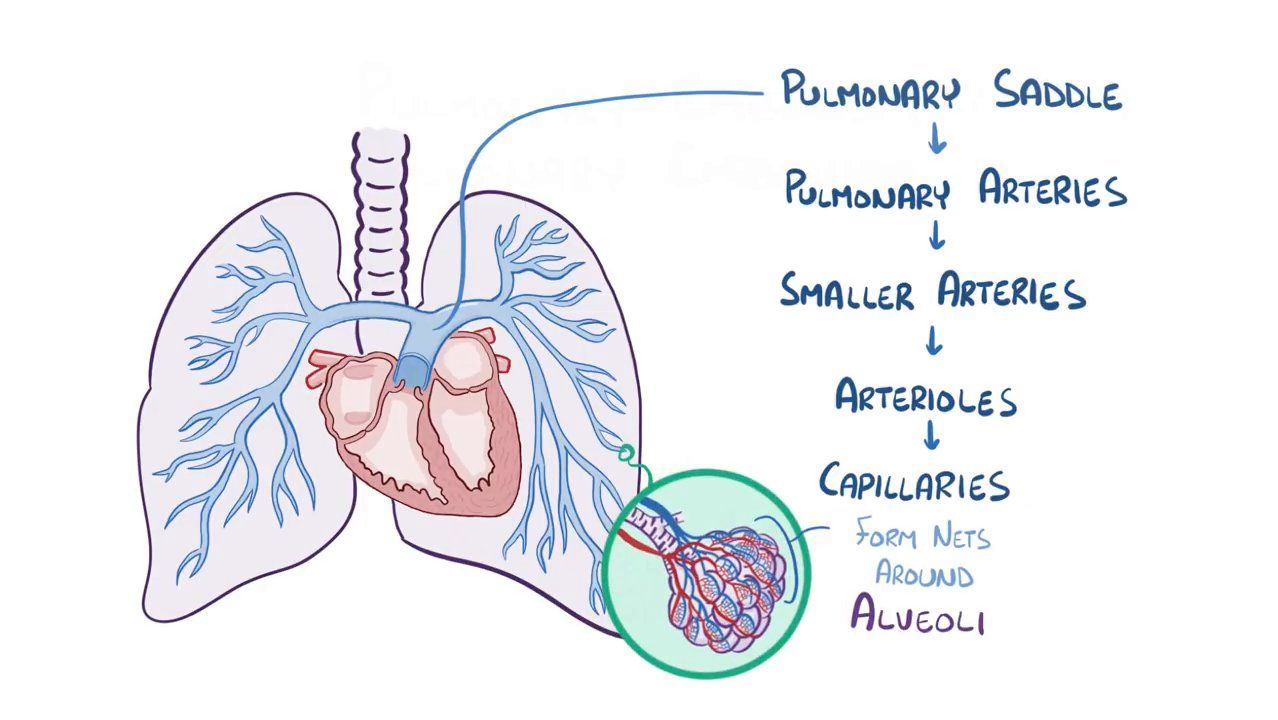
Pulmonary embolism (PE) is a critical medical condition that arises when one or more arteries in the lungs become blocked by blood clots. It represents a significant health concern, being responsible for thousands of deaths annually. The importance of awareness and prompt action regarding PE cannot be overstated, as timely diagnosis and treatment can greatly improve patient outcomes.
What is Pulmonary Embolism?
A pulmonary embolism typically occurs when a blood clot forms in the deep veins of the legs, known as deep vein thrombosis (DVT), and travels to the lungs. This blockage can impair the oxygen supply to the body, leading to severe complications. Common symptoms of PE include sudden shortness of breath, chest pain that may worsen with deep breaths, and coughing up blood.
Risk Factors and Causes
Several factors can increase an individual’s risk of developing PE. Prolonged immobility, such as sitting for extended periods during long flights or bed rest after surgery, can foster DVT. Other risk factors include obesity, cancer, pregnancy, and genetic clotting disorders. Age also plays a pertinent role, with those over 60 being at greater risk.
Recent Developments in Diagnosis and Treatment
Over the past few years, advancements in medical imaging, particularly CT pulmonary angiography, have drastically improved the diagnosis of PE. Early intervention is crucial, and anticoagulants are commonly prescribed to dissolve clots. In severe cases, thrombolytics can be administered to rapidly clear the blockage. Moreover, emerging treatments, such as catheter-directed thrombolysis, are also finding their place in clinical practice.
Conclusion
Understanding pulmonary embolism is vital for both healthcare professionals and the general public. Increasing awareness can lead to earlier detection and better prevention strategies. The ongoing research into treatment advancements emphasizes the medical community’s commitment to improving care for those affected by PE. Individuals are encouraged to be mindful of their risk factors and consult healthcare providers to mitigate potential dangers associated with this potentially fatal condition.