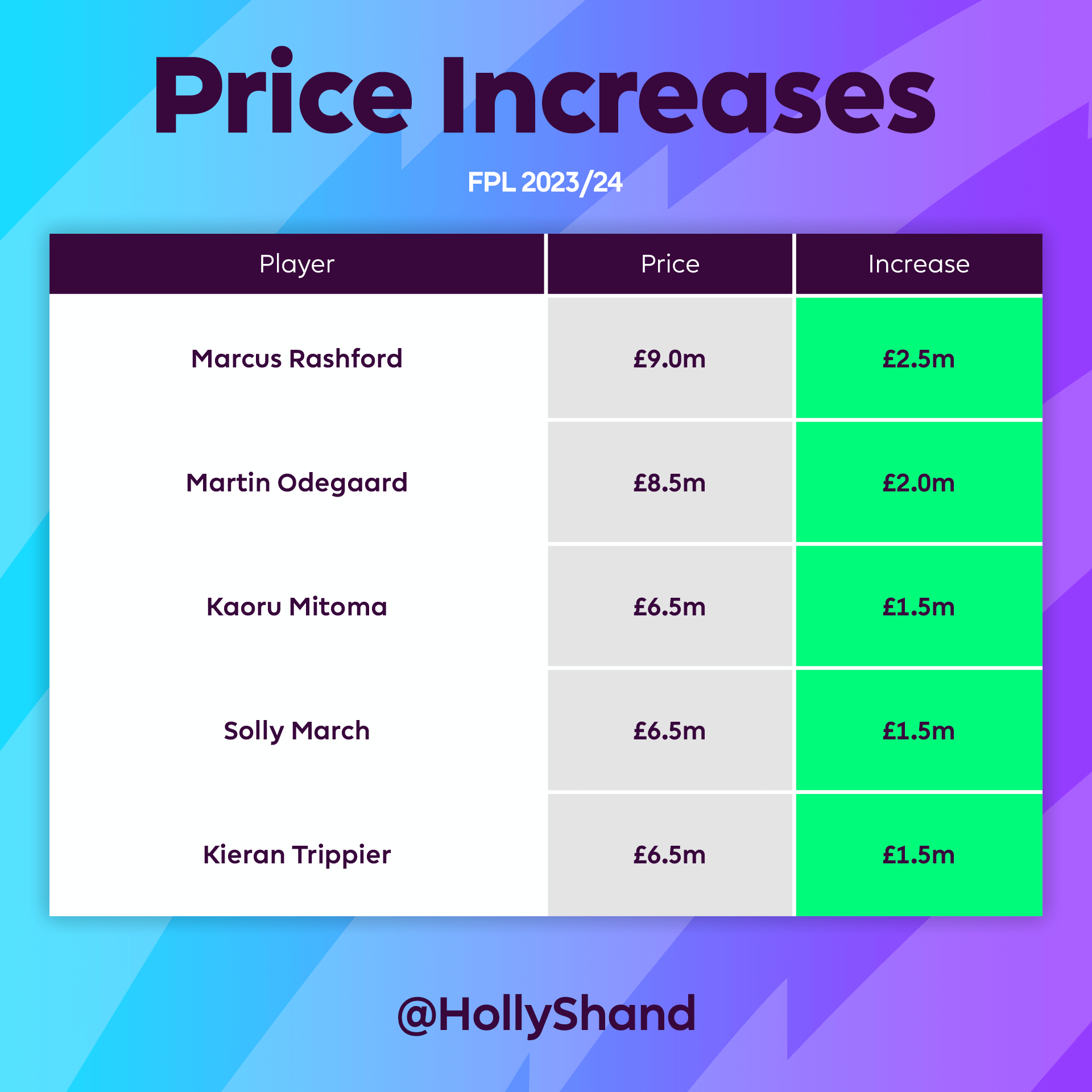
Introduction to FPL Price Changes
The Fantasy Premier League (FPL) has become one of the most engaging ways for football fans to immerse themselves in the Premier League season. Key to the success and strategy of FPL managers is understanding the price changes that occur with player values. These fluctuations can significantly impact a manager’s ability to build and maintain a competitive team, making it crucial to stay updated on these changes.
What Triggers Price Changes?
FPL player prices are influenced by various factors including player performance, popularity among managers, and overall trends in the market. For instance, a surge in points due to outstanding performances can cause a player’s price to rise, while injuries or poor performances may lead to a decrease. Additionally, when a player is transferred in or out by a significant number of managers, their value often changes. These price adjustments usually happen on a weekly basis, providing managers with continuous opportunities and challenges in team management.
Recent Trends Observed in FPL Prices
As of late October 2023, several players have seen notable price increases following impactful performances. Players like Erling Haaland and Mohamed Salah have maintained their stature as premium picks, seeing consistent interest and price rises due to their goal-scoring capabilities. Conversely, some underperformers, such as Raheem Sterling, have faced price drops as managers reevaluate their squads post-international break.
Monitoring these changes becomes essential as FPL players approach crucial points in the season, especially around double game weeks or December’s festive fixture congestion. Adapting to these changes can mean the difference between a rise in rank or a further descent into the overall standings.
Strategies to Leverage Price Changes
For FPL managers, understanding price changes is more than just about the monetary aspect of assembling a team. It is about strategy—identifying players who are undervalued that may experience a price increase, or knowing when to sell players before their value drops too significantly. Tools and websites that track price changes provide valuable insights and predictions, allowing managers to make timely and informed decisions.
Conclusion
The price changes in FPL can exert a powerful influence on team strategies and success throughout the season. By staying informed about these fluctuations, managers can maximise their point potential and remain competitive. Moving forward, it is advisable for all FPL participants to keep a close watch on performance stats and market trends leading into key fixtures, especially as the season progresses into more critical matches. Engaging actively with price changes not only enhances gameplay but also enriches the overall FPL experience.