








The Significance of Winter Olympics Medals
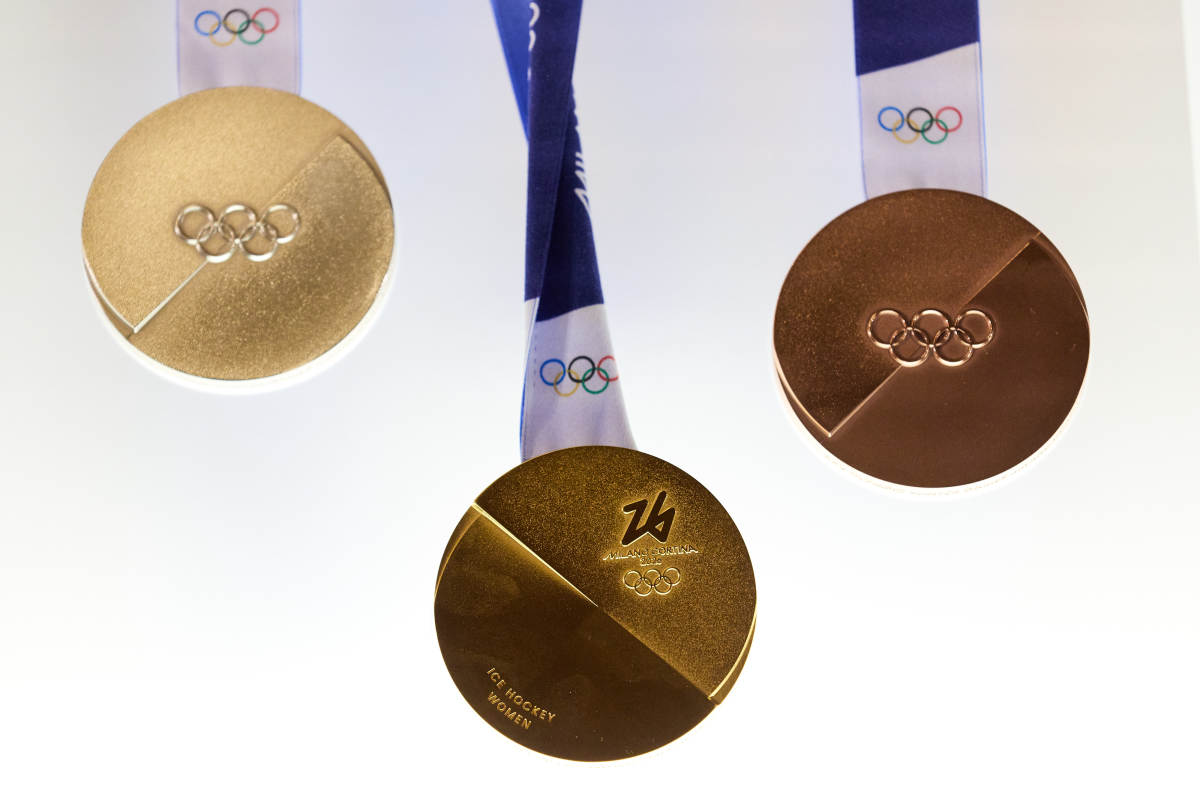
The Winter Olympics, a prestigious international sporting event, celebrates the spirit of competition and athleticism on snow and ice. Medals at the Winter Olympics represent not only the pinnacle of achievement in winter sports but also national pride and historical significance. Each medal serves as a testament to the hard work, dedication, and talent of athletes from around the globe.
Medal Distribution and Records
Since the inception of the modern Winter Olympics in 1924, medals have been awarded in various categories, including skiing, ice hockey, skating, and bobsleigh. The 2022 Winter Olympics in Beijing was particularly noteworthy, as it marked the first time the same location hosted the Summer and Winter Games separately. The distribution of medals has evolved over the years, showcasing the rise of countries like Norway, Canada, and Germany as powerhouse nations in winter sports. Norway, for instance, leads the all-time medal count in Winter Olympics history, having amassed over 400 medals.
Recent Highlights
In the Beijing Winter Olympics held from February 4 to February 20, 2022, athletes competed for a total of 109 medals across 15 sports. Norway finished at the top of the medal table, capturing 16 golds, followed closely by Germany and China, who also had strong performances. One of the most memorable moments was seen in the men’s snowboarding halfpipe, where the dramatic display of skill led to an unforgettable showdown that captivated audiences worldwide.
The Importance of Inclusivity
The Winter Olympics are increasingly promoting inclusivity and diversity among competitors. The addition of events such as mixed team events demonstrates a shift towards recognising diverse athlete capabilities and backgrounds. Additionally, the rising popularity of winter disciplines among emerging nations reflects a growing global interest in winter sports, expanding medal possibilities across borders.
Future Prospects
As we look to the future, expectations are high for the upcoming Winter Olympics scheduled to be held in 2026 in Milan and Cortina d’Ampezzo, Italy. The event promises to introduce new events and innovations aiming to further enhance viewership and participation. With nations increasingly investing in winter sports infrastructure and training, fans can anticipate fierce competition and possibly new records in medal achievements.
Conclusion
The Winter Olympics medals are far more than mere accolades; they embody the spirit of competition, the pursuit of excellence, and the unity brought forth by sports. Understanding the history and significance of these medals enriches the viewing experience and highlights the evolving landscape of winter sports. As athletes continue to strive for greatness, the world watches, eager to celebrate each medal’s story.