









Introduction to Corby
Corby, located in Northamptonshire, is a town that has undergone significant transformation over the past few decades. With its roots in steel production and a modern reputation for community spirit and economic growth, Corby has become a focal point of interest in the UK. Its significance lies not only in its industrial heritage but also in its evolving cultural landscape, making it relevant in discussions about urban development and community cohesion.
A Brief History
Historically, Corby would not have thrived without the steel industry, which attracted a wave of Scottish immigrants during the mid-20th century. The town became known for the Corby Steelworks, which operated until the late 1980s. Following the decline of this industry, Corby faced economic challenges but has since diversified its economy and revitalised its community amenities.
Recent Developments
In recent years, Corby has seen an impressive range of developments aimed at enhancing its appeal. The Town Centre regeneration project has introduced modern facilities, shopping areas, and public spaces, contributing to an improved quality of life for residents and attracting visitors. The construction of the Corby Cube, a multi-purpose building housing a library, council offices, and entertainment venues, is a prime example of this progress.
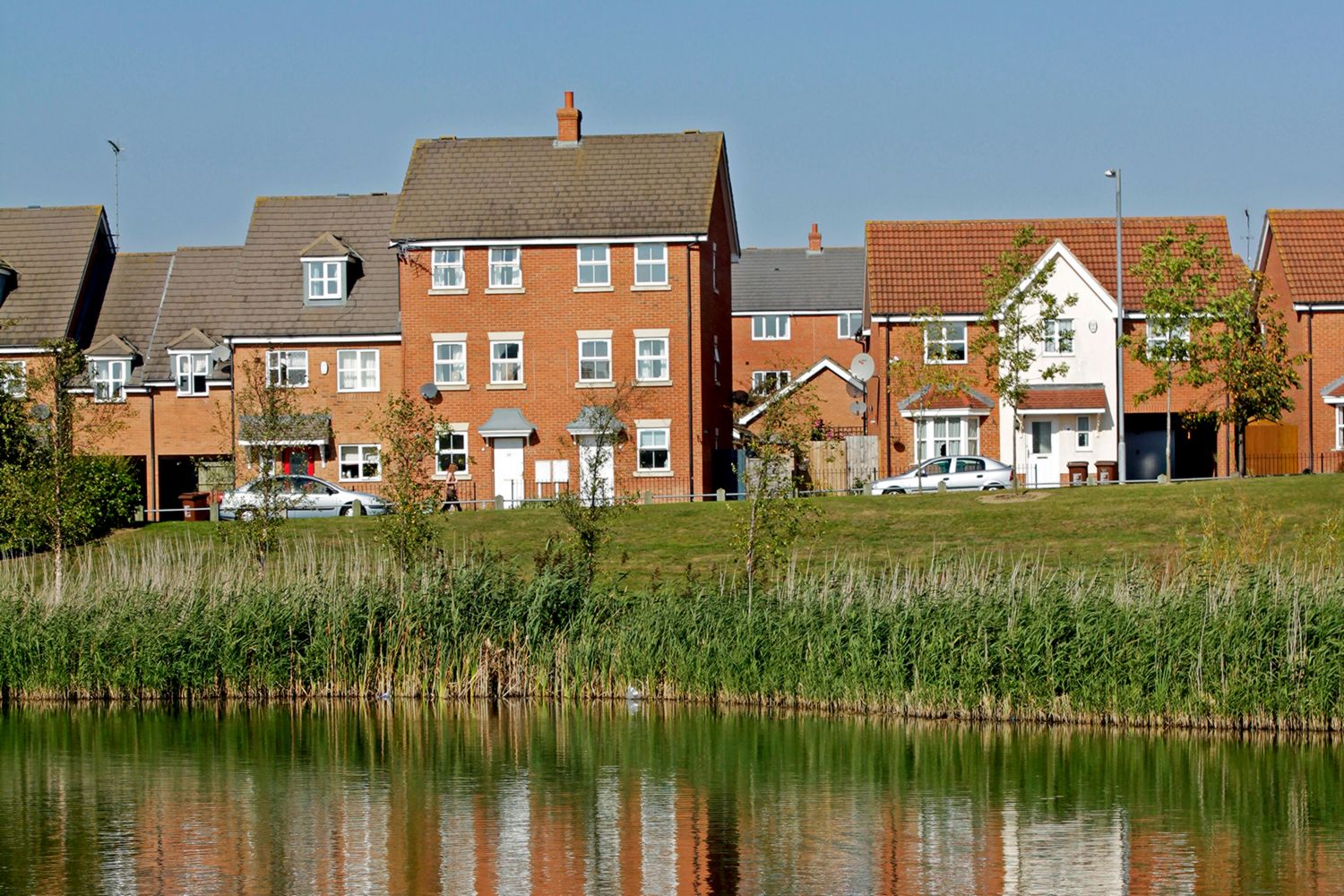
Moreover, Corby’s population has grown considerably, with an increase of around 25% over the last decade, leading to a demand for new housing developments. Project plans are in place to address this surge, ensuring that the town can accommodate new families and individuals moving to the area.
Community and Culture
Corby is known for its strong community spirit, reflected in various local events and festivals, such as the Corby Carnival and the annual International Market. The town’s sports teams and facilities have also been a focal point, promoting healthy lifestyles and creating a sense of pride among residents. Furthermore, the diverse cultural makeup of Corby contributes to a vibrant community, with various ethnic groups adding richness to local heritage and festivities.
Conclusion
In conclusion, Corby represents an intriguing case study of a town that has navigated the complexities of industrial decline and urban renewal. Its journey reflects broader trends affecting many post-industrial towns in the UK. As Corby continues to evolve, it is likely to attract more attention as a promising place to live and work, contributing to its significance in the region’s socio-economic landscape. The future holds potential for further growth and development as community involvement and local initiatives continue to play pivotal roles in shaping Corby’s identity.