









Introduction
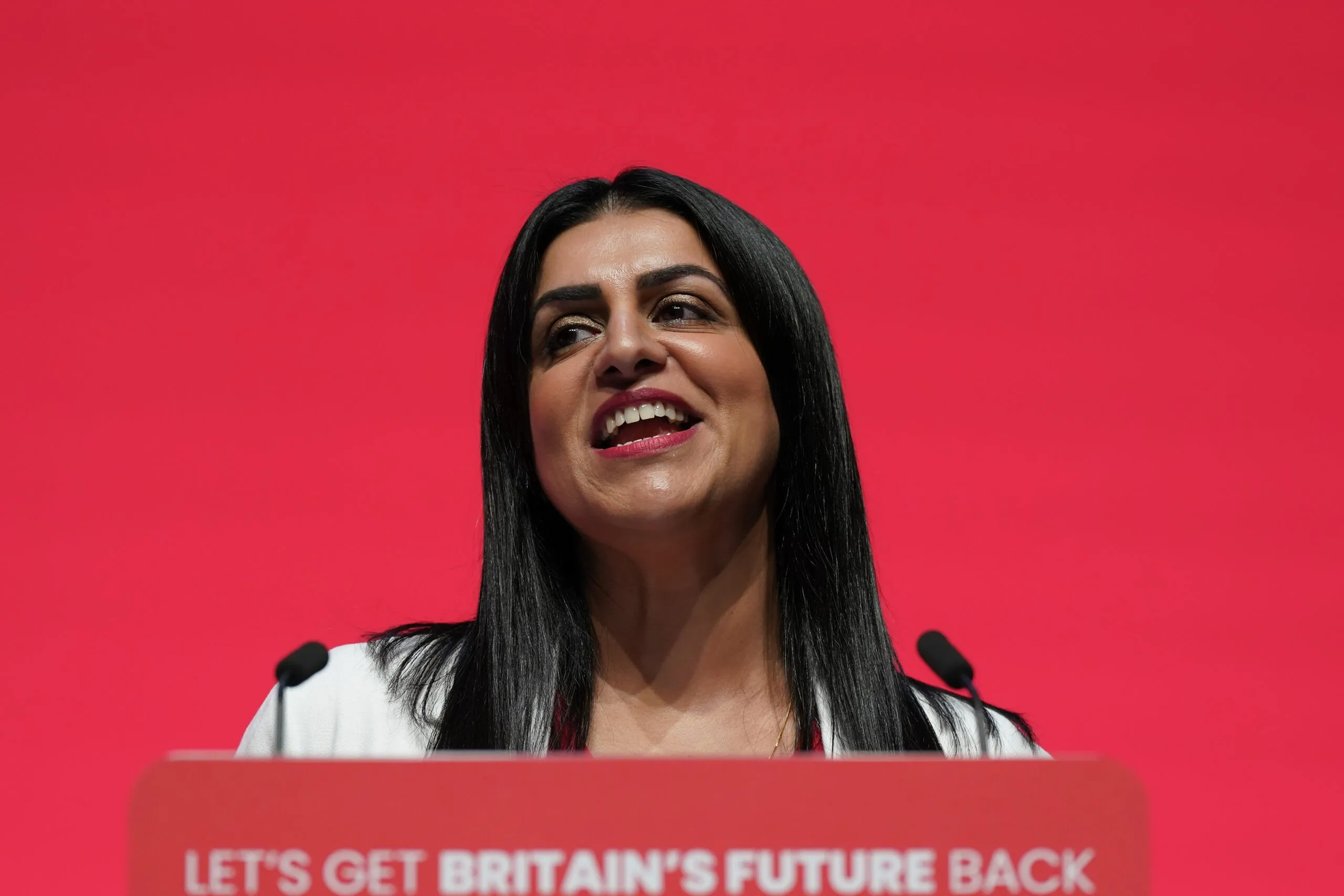
Shabana Mahmood is becoming a prominent figure in British politics as a member of the Labour Party and the current MP for Birmingham, Ladywood. Her activism and representation of key issues resonate with a diversity of constituents. As discussions surrounding gender equality, social justice, and economic reform intensify, Mahmood’s role in Parliament gains increased importance.
Political Career
Born in 1980, Shabana Mahmood embarked on her path to politics after completing her education in Law at the University of Birmingham, followed by further studies at the College of Law in London. She was elected as the MP for Birmingham, Ladywood in the general election of 2010, marking a significant milestone in her career as she became one of the first Muslim women elected to Parliament.
During her time in office, Mahmood has served in various shadow cabinet positions, including Shadow Minister for Higher Education. In her roles, she has focused on pressing educational reforms, advocating for increased funding for schools and equitable access to higher education. Additionally, she has been a strong voice on issues related to women’s rights and racial equality, making her a key member of the Labour Party’s diversity initiatives.
Key Initiatives and Contributions
Recently, Mahmood has been at the forefront of debates regarding public health policies, particularly related to the aftermath of the COVID-19 pandemic. She has called for comprehensive reviews and enhanced support for mental health services, reflecting her commitment to the welfare of her constituents. Furthermore, her ongoing support for local businesses showcases her dedication to economic recovery in her community.
Moreover, Mahmood’s engagement in international issues, particularly concerning human rights, highlights her broader vision. She has actively campaigned against systemic injustices and participated in various forums to amplify the voices of marginalised communities both domestically and globally.
Conclusion
Shabana Mahmood represents a new wave of political leaders who are redefining representation in British politics. With her advocacy for health, education, and social justice, she continues to be influential both in Parliament and within the Labour Party. As she progresses in her career, many expect her to play an increasingly vital role in shaping policies that address the needs of diverse communities. Mahmood’s journey is a testament to how passionate activism, coupled with a commitment to public service, can effect real change in the political landscape.