










Introduction
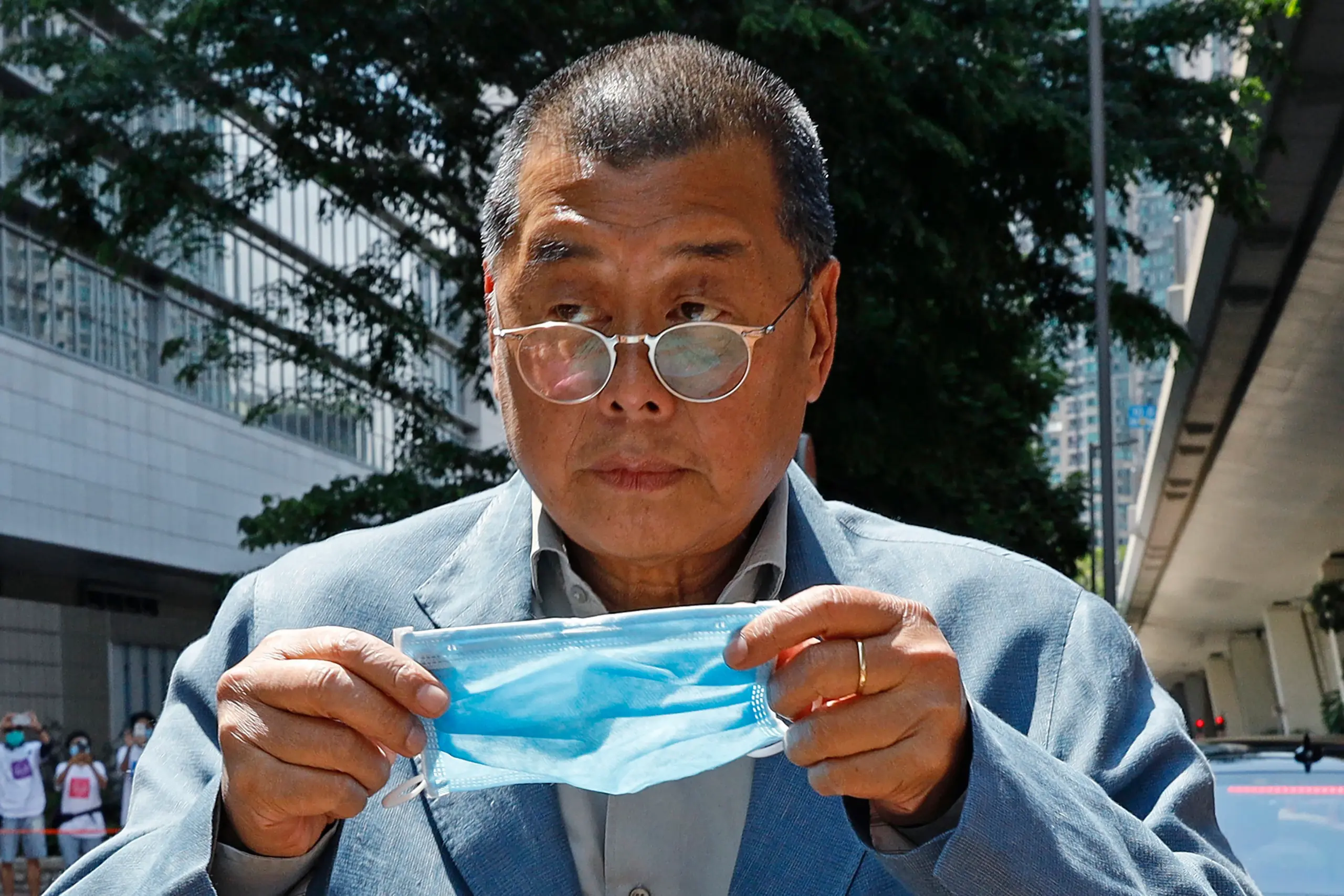
Jimmy Lai, a prominent Hong Kong entrepreneur and pro-democracy activist, has become a symbol of the struggle for freedom in the region. His journey encapsulates the complex intersection of business, journalism, and politics in Hong Kong, particularly amid the ongoing tensions between pro-democracy advocates and the Chinese government. Lai’s recent legal battles highlight the precarious state of civil liberties in the territory, making his story crucial not just for Hong Kong but for global discussions on democracy and human rights.
A Brief Background
Born in 1947 in Guangdong province, Jimmy Lai emigrated to Hong Kong in 1960. He founded the now-defunct tabloid newspaper Apple Daily, which became a leading voice in the criticism of Beijing’s tightening grip on Hong Kong. Despite numerous threats and attempts to silence him, Lai remained steadfast in his commitment to free speech, often publishing articles that challenged government narratives.
Recent Developments
In August 2020, Lai was arrested under Hong Kong’s controversial National Security Law, which many see as an attempt to suppress dissent. His arrest sparked international condemnation, prompting calls for greater support for Hong Kong’s pro-democracy movement. Since then, Lai has faced several charges, including collusion with foreign forces, which could result in a life sentence if convicted. His trial has been postponed multiple times, but it continues to attract international scrutiny as it plays a vital role in the broader conversation about the future of democracy in Hong Kong.
Global Implications
Jimmy Lai’s plight has garnered significant international attention, with human rights organisations advocating for his release. The case highlights the increasing authoritarian measures employed by the Chinese government, raising concerns about the erosion of civil rights in Hong Kong. Many analysts believe that the outcome of Lai’s legal battles could set a precedent for the future of dissent in the region and influence how the international community responds to Beijing’s tightening control.
Conclusion
As Jimmy Lai’s legal battles continue, his role as a figurehead for the pro-democracy movement remains vital. His situation serves as a poignant reminder of the struggles faced by activists in the face of state repression. The ramifications of his case extend beyond Hong Kong, provoking discussions around human rights, freedom of the press, and the resilience of democracy in an increasingly authoritarian world. For readers and global citizens, Lai’s journey underscores the importance of vigilance and support for civil liberties, wherever they may be threatened.