









Introduction
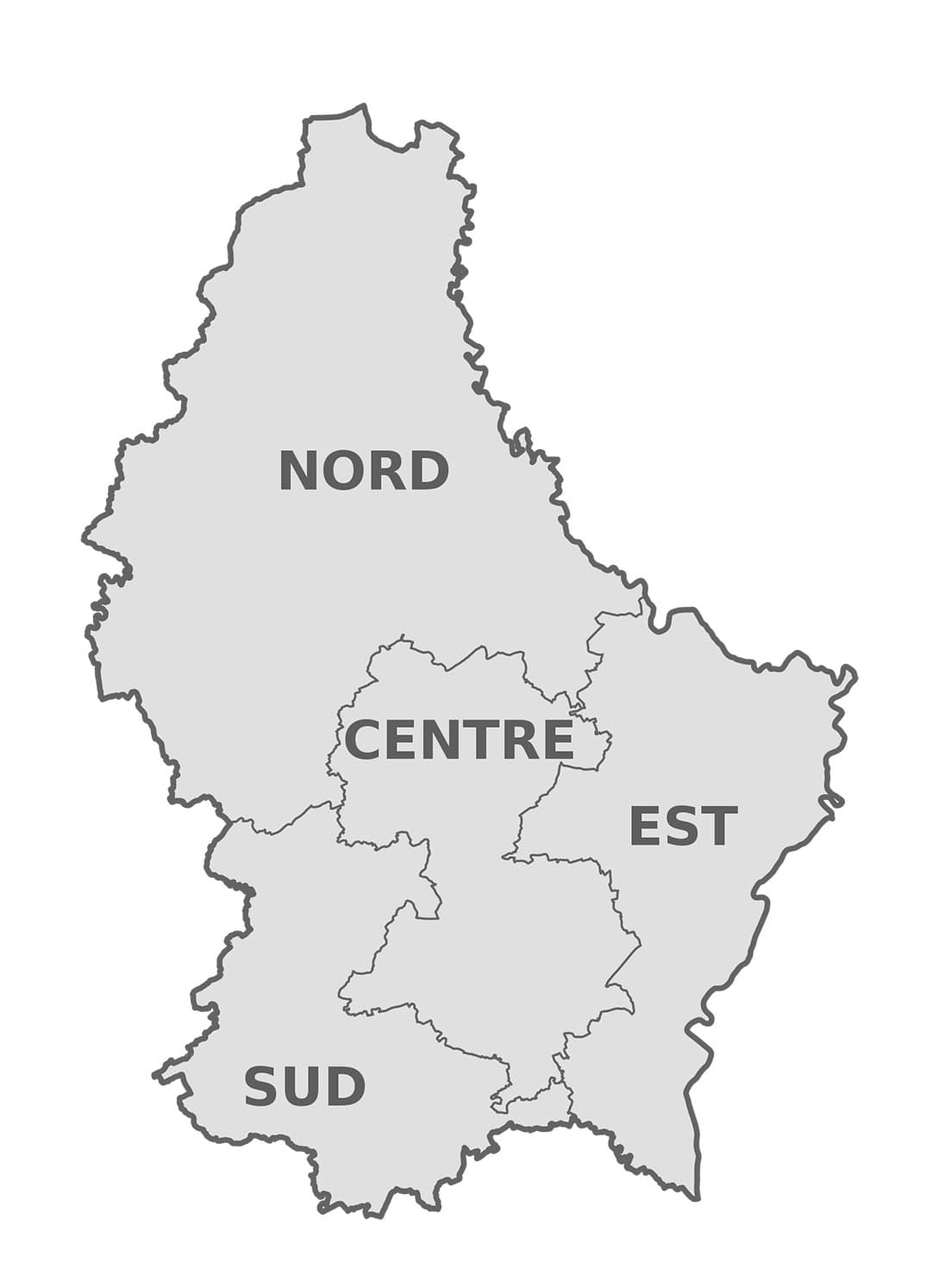
Luxembourg, a small landlocked country in Western Europe, has a profound significance both economically and politically within the European Union. Its central location and status as a founding member of the EU and NATO mark it as a diplomatic hub, raising its profile on the global stage. With an increasingly diverse economy and growing population, Luxembourg is currently navigating challenges related to sustainability, immigration, and its financial reputation.
The Economy of Luxembourg
Luxembourg’s economy is among the wealthiest in the world, characterised by a strong banking sector, a thriving IT industry, and a growing space sector. As per the latest data from the International Monetary Fund (IMF), Luxembourg holds a GDP per capita of approximately $115,700, showcasing its economic strength. The country attracts multinational corporations due to its favourable tax environment and skilled workforce, which has spurred job growth and innovation. The recent investments in technology, especially in artificial intelligence and space activities, indicate a strategic pivot aimed at diversification.
Cultural Significance and Tourism
Luxembourg is not just about finance; it boasts a rich cultural heritage that draws thousands of tourists each year. With its medieval castles, such as the Grand Ducal Palace and ancient fortifications, visitors can explore its historic sites recognised by UNESCO. Festivals celebrating the arts, music, and gastronomy fill the calendar, making it a vibrant destination. In 2022, tourism saw a resurgence post-pandemic, with a noted increase in visitors from neighbouring countries, reinforcing its appeal as a weekend getaway.
Future Challenges and Opportunities
However, Luxembourg faces challenges ahead, particularly in housing and sustainability. The rapid economic growth has led to an influx of expatriates, resulting in increased housing demands. The government is now prioritising the development of affordable housing and sustainable urban planning to ensure social equity. Moreover, climate change initiatives are at the forefront of policy-making, with ambitious goals to reduce carbon emissions significantly by 2030.
Conclusion
In conclusion, Luxembourg stands out as an essential player in the European landscape, integrating a robust economy with rich culture and rapid developments. With a strategic focus on sustainability and social welfare, the country is well-positioned to address future challenges while maintaining its status as a European gem. As global dynamics shift, Luxembourg’s role in international relations and its economic trends will continue to garner attention, making it a focal point for those interested in the evolution of Europe.