









Introduction
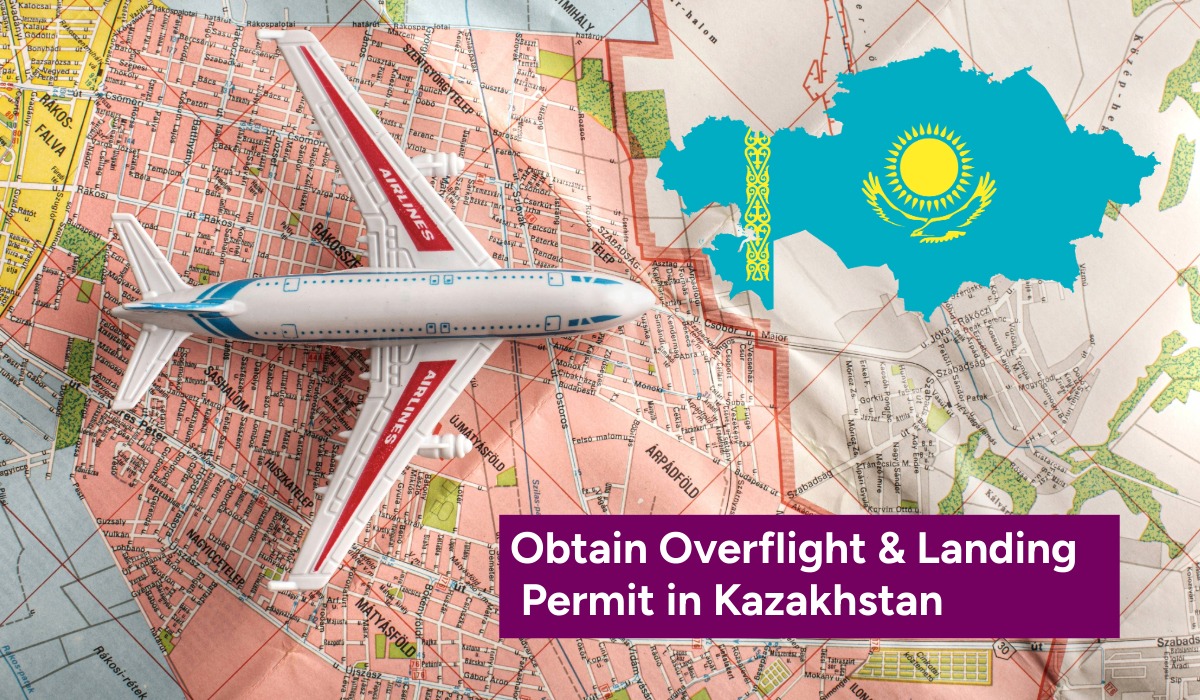
Kazakhstan, the largest landlocked country in the world and the ninth largest overall, has been gaining prominence on the global stage. Situated in Central Asia, it serves as a bridge between Europe and Asia, making its political and economic developments highly significant for regional stability and international trade. Recent events have highlighted not only the country’s economic potential but also its cultural richness, drawing attention from global investors and tourists alike.
Recent Developments
In 2023, Kazakhstan’s government implemented a series of economic reforms aimed at diversifying its economy, which has traditionally relied on oil and gas exports. The introduction of green technologies and investments in renewable energy are part of a larger strategy to reduce carbon emissions and transition to more sustainable energy sources. President Kassym-Jomart Tokayev has been vocal about the need for innovation and modernisation across various sectors, including agribusiness, digital technology, and tourism.
Additionally, Kazakhstan’s strategic position has attracted foreign investment, particularly from nations looking to access Central Asian markets. The country’s recent entry into the World Trade Organization (WTO) has facilitated international trade, allowing for easier export and import processes, which is expected to particularly benefit the agricultural sector.
Cultural Heritage and Tourism
Beyond the economic sphere, Kazakhstan’s rich cultural heritage presents an opportunity for growth in tourism. The country is home to various ethnic groups, each contributing to a vibrant tapestry of traditions and history. Major cities such as Almaty and Nur-Sultan (formerly Astana) boast modern infrastructure alongside historical landmarks. The annual Astana Economic Forum has also gained traction, bringing together global leaders to discuss economic trends and innovations.
Conclusion
As Kazakhstan continues to evolve, it stands at a pivotal moment in its history, balancing its rich cultural identity with modernising influences and economic ambitions. For readers and investors, Kazakhstan represents both opportunities and challenges, as it navigates its path in the increasingly complex geopolitical landscape of Central Asia. The nation’s efforts in diversifying its economy and promoting sustainable practices signal a forward-thinking approach that may set a precedent for neighbouring countries.