








The Importance of Understanding Eritrea
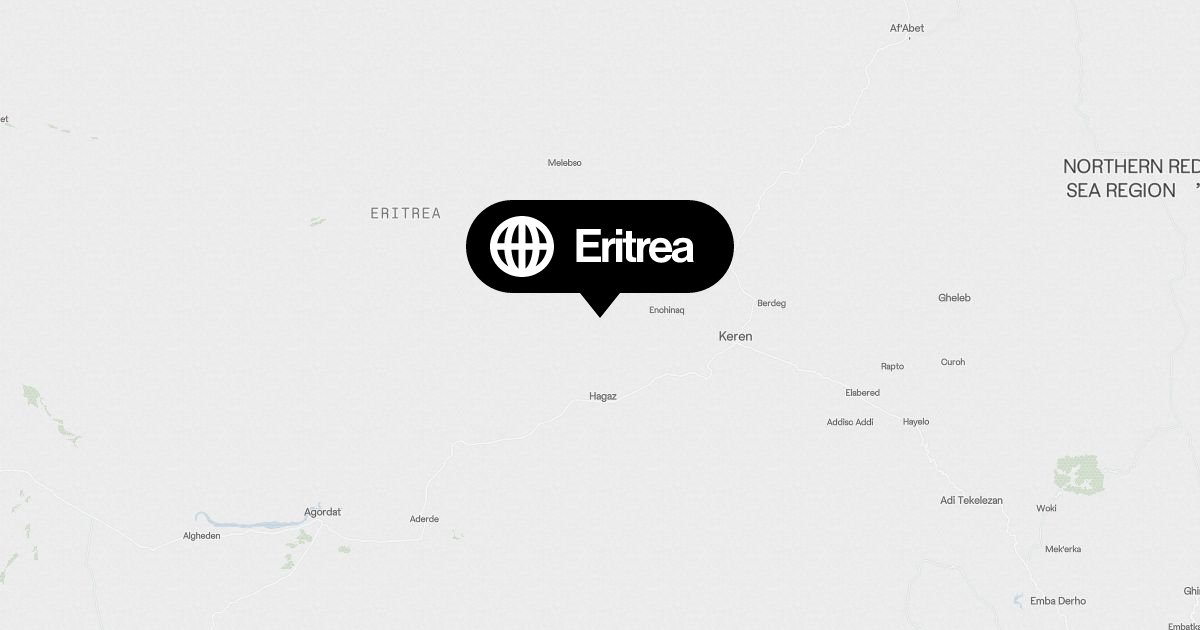
Eritrea, located in the Horn of Africa, is a country of significant geopolitical interest due to its strategic position along the Red Sea and its complex history marked by conflict and resilience. Understanding the current situation in Eritrea is crucial, especially given its relationship with regional powers, the challenge of ongoing human rights issues, and the impact of climate change on its economy.
Political Landscape
As of 2023, Eritrea remains under the autocratic rule of President Isaias Afwerki, who has been in power since the country’s independence from Ethiopia in 1993. The national democratic process has not been active for decades, leading to substantial criticism from international human rights organisations. According to reports by Amnesty International, Eritrea is known for its strict control over civil liberties, lack of free press, and forced conscription that can last indefinitely.
Humanitarian Concerns
The humanitarian crisis in Eritrea continues to be alarming. The United Nations has reported on the severe impacts of forced military service, arbitrary detention, and torture, prompting calls for the international community to intervene. The country has also grappled with rising food insecurity driven by climate change and poor agricultural yields. In early 2023, the UN estimated that approximately 2 million Eritreans were in need of assistance due to drought and the ongoing repercussions of regional conflicts.
Economic Developments
Economically, Eritrea struggles with its development goals, largely due to the systemic issues perpetuated by the government. Despite potential mineral wealth, including gold, copper, and zinc, foreign investment remains limited due to the oppressive regime and instabilities. In a recent report, the International Monetary Fund highlighted the importance of economic reforms and openness to foreign investments to ensure sustainable growth. The government has been taking steps to diversify its economy, but widespread poverty and unemployment remain critical hurdles.
Regional Relationships
In 2023, Eritrea’s relations with neighbouring Ethiopia have been on a tenuous path following the peace agreement signed in 2018. The political stability of the region is linked to Eritrea’s involvement in the Tigray conflict, which has raised concerns amongst the populace regarding Eritrean troops operating in neighbouring territories. The dynamics between Eritrea and Ethiopia remain pivotal moments to monitor, as they can significantly impact both nations’ future.
Conclusion and Future Outlook
The situation in Eritrea is complex and fraught with challenges that require international attention. The need for political reform, humanitarian aid, and economic diversification remains critical for the country’s development. As 2023 progresses, it is essential for the global community to encourage a more open dialogue with Eritrean authorities and support initiatives aimed at improving the lives of ordinary Eritreans. The future of Eritrea lies in addressing these issues holistically while fostering peace and stability in the region.