










Introduction to Curling Rules
Curling is a sport that has been captivating audiences and participants alike for centuries, originating in Scotland during the 16th century. As the sport continues to grow in popularity, especially during events like the Winter Olympics, understanding the rules of curling has become increasingly important. These rules not only ensure fair play but also enhance the experience for both players and spectators. In this article, we will delve into the essential rules governing the game of curling.
Basic Rules of Curling
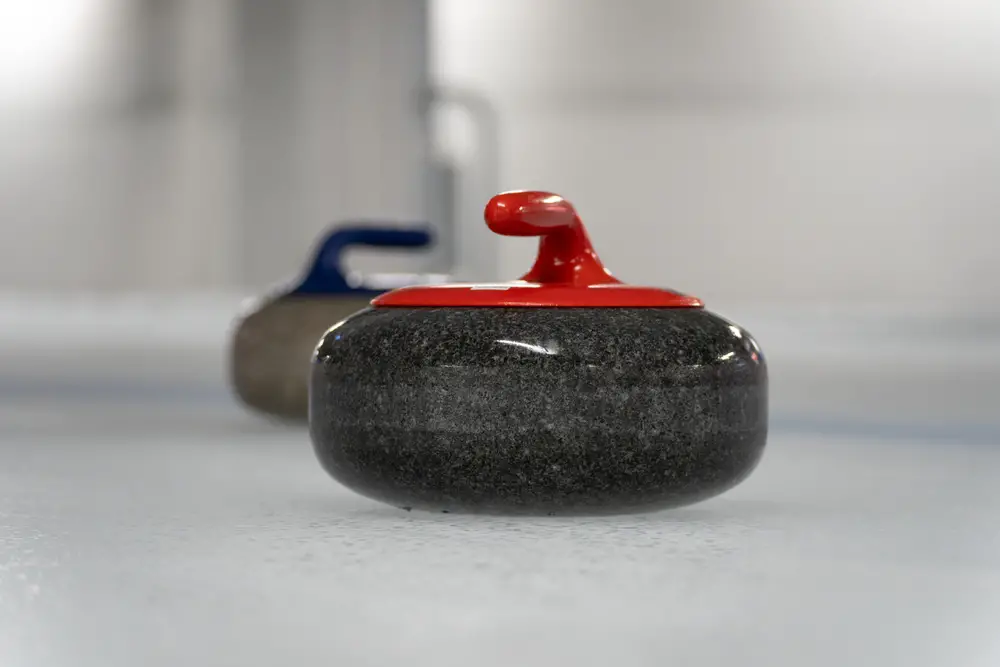
The game of curling involves two teams, each consisting of four players. The objective is to slide stones on a sheet of ice towards a target area known as the house. Each team takes turns throwing their stones, aiming to land them closer to the center of the house than their opponents. The key rules include:
- The Playing Area: The official curling sheet is 44.5 meters long and 4.3 meters wide, with the house located at each end. The house is composed of three concentric circles with a diameter of 1.83 meters.
- Scoring: Only one team can score in each end (similar to a round). Points are awarded based on how many of a team’s stones are closer to the center of the house compared to the opponent’s stones.
- Delivery of Stones: Each player delivers two stones per end in a sequence known as a “turn”. Players must release the stone before the front line of the house, known as the hog line, otherwise, the stone is considered to be ‘hogged’ and is removed from play.
- Types of Shots: Players can execute various shots, such as draws, takeouts, and guards, which can influence the position of stones and the overall strategy of the game.
Additional Regulations
Additionally, curling has rules about the conduct of players, time restrictions for delivering stones, and how the stones are officiated during play. Umpires are present to oversee the rules are followed and to resolve disputes that may arise during a match.
Conclusion
Understanding curling rules is essential for both players and fans. As the sport continues to expand, knowledge of these regulations will enhance enjoyment and appreciation for the technical and strategic elements of the game. For aspiring players, grasping these rules can be the first step toward mastering curling, while for spectators, it can make following the action more engaging. As teams prepare for upcoming competitions, including the next Winter Olympics, familiarity with curling rules will remain a cornerstone of the sport’s continuing growth.