









Introduction
The polar vortex is a significant aspect of our climate system, particularly during winter months in the Northern Hemisphere. A polar vortex split forecast has become a topic of great interest among meteorologists and climate enthusiasts alike, especially as it impacts weather patterns across the globe. Understanding this phenomenon is essential as it can lead to extreme weather events, including severe cold spells and unseasonal warmth.
What is the Polar Vortex?
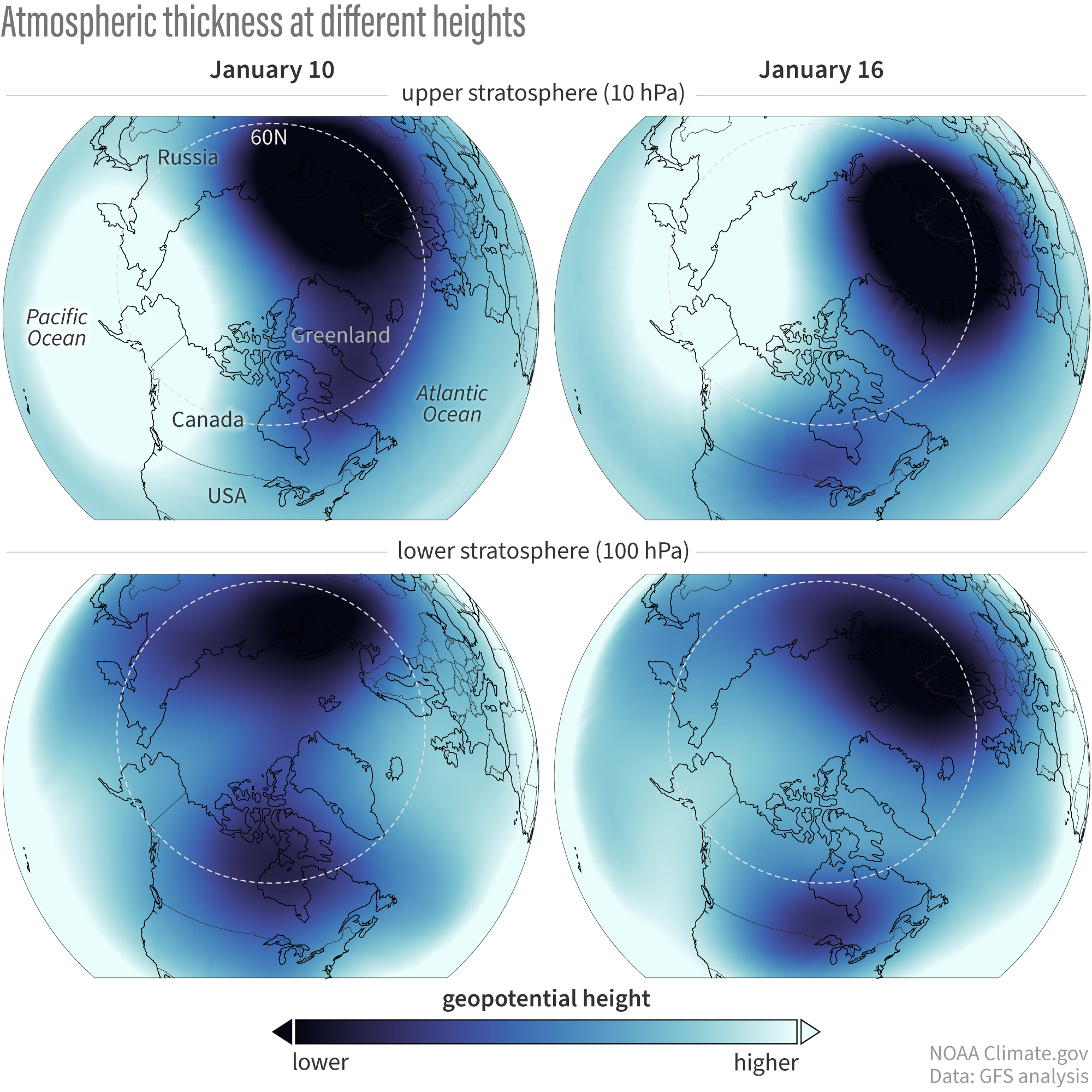
The polar vortex is a large area of low pressure and cold air surrounding the Earth’s poles. During winter, the polar vortex strengthens and becomes more stable, typically keeping the cold air contained over the Arctic. However, when the vortex weakens or splits, it can allow frigid air to spill southwards, drastically affecting weather conditions in mid-latitude regions.
Recent Forecasts and Events
According to the latest meteorological analyses from the National Oceanic and Atmospheric Administration (NOAA), models indicate a significant weakening of the polar vortex during January 2023. Forecasts suggest that this weakening could lead to a split, which might occur as early as mid-January. The potential impact of this scenario could be far-reaching, with the possibility of extreme cold snaking down into parts of the United States, Europe, and Asia.
Historically, previous polar vortex splits have resulted in record-low temperatures and increased snowfall across affected regions. For instance, in 2014, a polar vortex split led to an “Arctic outbreak” that caused temperatures in the United States to plunge as low as -30°F in some areas. As we look ahead, experts warn that a similar pattern could occur this winter if forecasts prove accurate.
Implications and Significance
The implications of a polar vortex split extend beyond just weather forecasts; they affect energy consumption, agriculture, and even public health. Sudden temperature drops can lead to increased heating demand, impacting energy suppliers and consumers alike. Additionally, agricultural sectors may face challenges due to frost impacts on crops not conducive to sudden cold exposure.
Moreover, public health officials often prepare for spikes in cold-related illness and injuries during extreme weather. As communities brace for potential cold snaps, understanding these forecasts becomes increasingly critical.
Conclusion
The upcoming polar vortex split forecast for winter 2023 underscores the importance of ongoing climate monitoring and preparedness. As we continue to track these developments, residents in regions likely to be affected should stay informed and be ready for extreme weather conditions. The polar vortex is a reminder of the unpredictable nature of our climate, making it essential for individuals and communities to remain vigilant as winter unfolds.