









Introduction
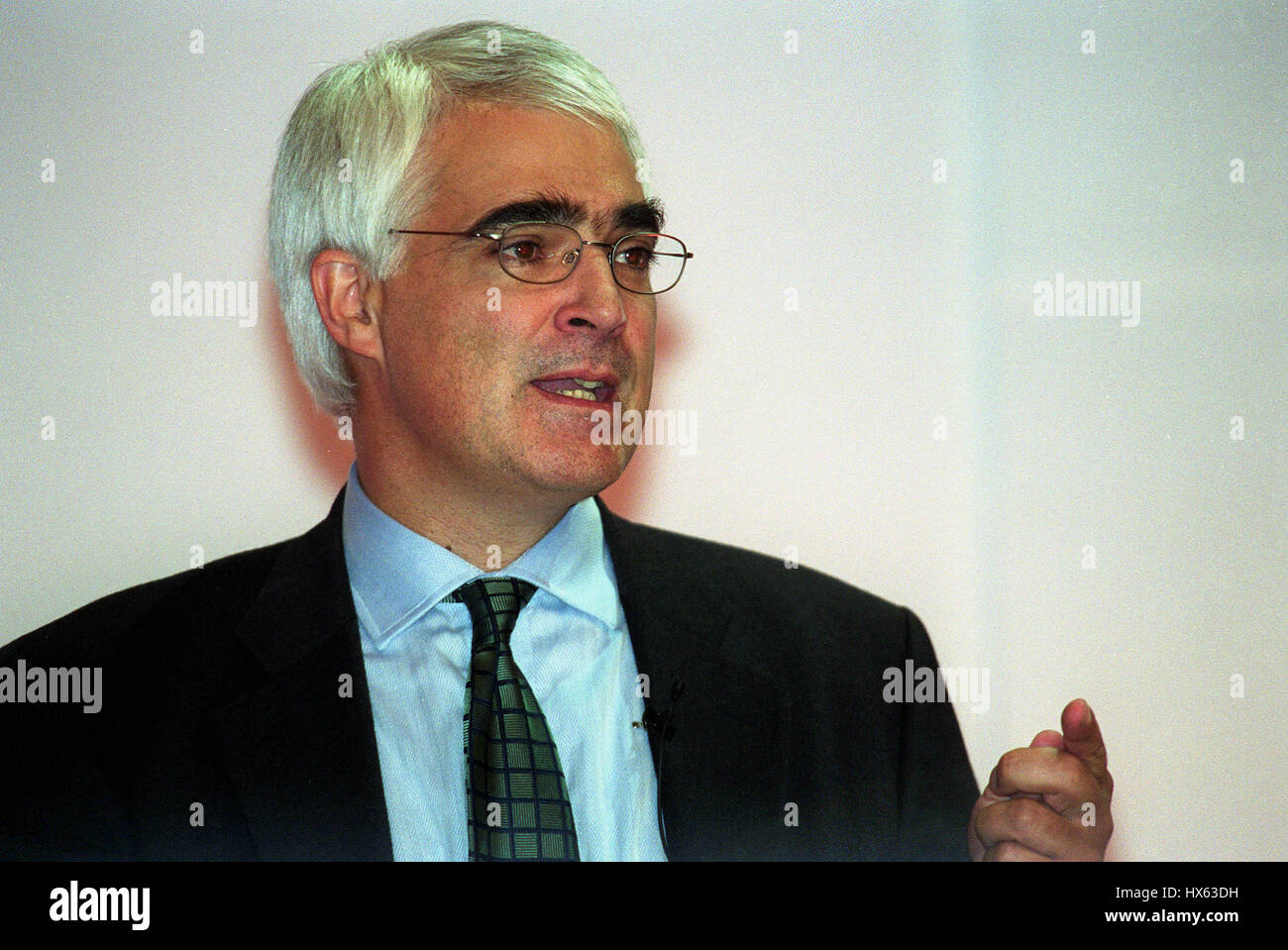
Alistair Darling, the former Chancellor of the Exchequer, has had a significant impact on UK politics, particularly during times of economic crisis. His leadership during the financial downturn of 2008 remains a testament to the importance of effective governance in challenging times. Darling’s policies have shaped public discourse around fiscal responsibility, economic recovery, and the role of government in regulating financial institutions.
The Economic Crisis and Darling’s Response
In the wake of the global financial crisis, Alistair Darling was appointed Chancellor in 2007. He faced unprecedented challenges, as the UK economy teetered on the brink of collapse. One of his most notable actions was introducing the £500 billion bank rescue plan, aimed at stabilising the banking sector. This move was met with both support and criticism, igniting debates around interventionism in free markets. Darling’s proactive approach was crucial in averting a complete economic meltdown, and he implemented measures that included increasing government spending to bolster consumer confidence.
Policies and Initiatives
During his tenure, Darling also introduced several significant fiscal policies that aimed to stimulate growth and recovery. His decision to temporarily reduce VAT and enhance public investment aimed at stimulating economic activity. In his 2009 budget speech, he outlined plans to cut the national deficit while investing in public services, a balancing act that showcased his commitment to both fiscal responsibility and social welfare. Furthermore, the introduction of the “bank levy” aimed at ensuring financial stability and accountability contributed to ongoing reforms in the banking sector.
Darling’s Legacy and Current Relevance
Alistair Darling’s influence extends beyond his time in office; he continues to be a respected voice in economic discussions, often called upon by media and policymakers to provide insights on various fiscal matters. His experiences during the financial crisis lend valuable lessons as the UK navigates complexities within the economy, particularly in light of the challenges posed by Brexit and the ongoing repercussions of the COVID-19 pandemic.
Conclusion
Alistair Darling’s political journey highlights the critical role of decisive leadership in steering the country through economic turmoil. As we reflect on his legacy, it is evident that his policies and responses to crises have not only shaped the initial recovery but also laid the groundwork for discussions about future fiscal strategies. Observing current economic challenges, his insights remain significant, reminding us of the delicate balance between intervention and market freedom.