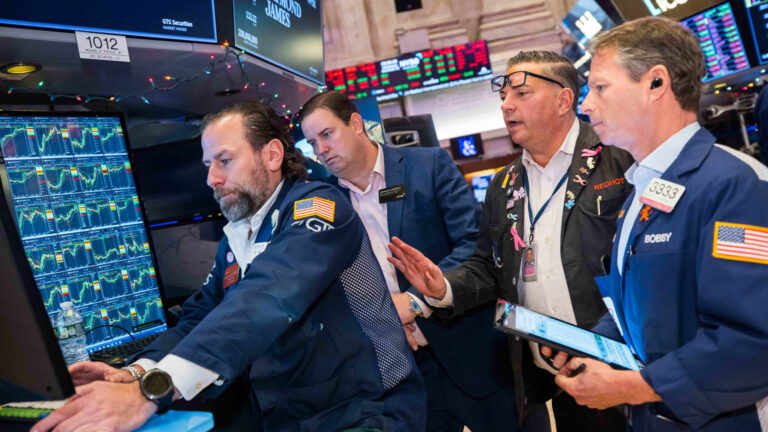











The Rise of Cryptocurrency Trading
Cryptocurrency trading has become a significant financial activity, with millions of individuals participating globally. The growing adoption of digital currencies such as Bitcoin and Ethereum has reshaped the landscape of investments. As new technologies emerge and market dynamics shift, understanding cryptocurrency trading has never been more vital for investors and enthusiasts alike.
Current Market Trends
As of 2023, cryptocurrency trading remains highly volatile, influenced by various factors including regulatory changes, technological advancements, and macroeconomic trends. Recently, the price of Bitcoin has seen significant fluctuations, leading some analysts to predict a potential rally towards the end of the year. Furthermore, the introduction of institutional interest in cryptocurrencies, with major companies exploring blockchain technology and digital assets, has added a layer of legitimacy and appeal to trading activities.
Key Factors Influencing Trading
1. **Regulatory Environment**: Governments across the world are increasingly scrutinising cryptocurrency transactions. New regulations can dramatically impact market sentiment and trading volume. For instance, the recent regulatory developments in Europe and the United States have prompted traders to adjust their strategies to comply with the law.
2. **Technological Innovations**: Advancements in blockchain technology and the rise of decentralized finance (DeFi) platforms have broadened trading opportunities. Innovative products like non-fungible tokens (NFTs) and derivatives have also emerged, attracting more participants to the market.
3. **Investor Psychology**: The behaviour of traders often reflects market sentiment, with fear and greed driving trading decisions. Tools such as technical analysis and market indicators have gained popularity, helping traders gain insights into potential price movements.
Strategies for Success
To navigate the ever-changing landscape of cryptocurrency trading, traders must adopt effective strategies. This includes diversifying portfolios, leveraging automated trading tools, and staying informed about market news. Incorporating risk management techniques is essential to minimise losses in the volatile cryptocurrency market.
Conclusion
As cryptocurrency trading continues to evolve, it remains a topic of great significance for both novice and seasoned investors. The combination of emerging market trends, regulatory shifts, and technological innovations will continue to shape the future of cryptocurrency trading. For readers, staying informed and adaptable is crucial for making sound investment decisions in this dynamic environment.