










Introduction
The world’s tallest buildings are not only a testament to human ingenuity but also symbols of economic growth and advancements in engineering. As urban areas become more densely populated, the race to build higher continues, reshaping skylines globally. This article examines the tallest structures of 2023, highlighting their significance in terms of architectural innovation and cultural impact.
Current Record Holders
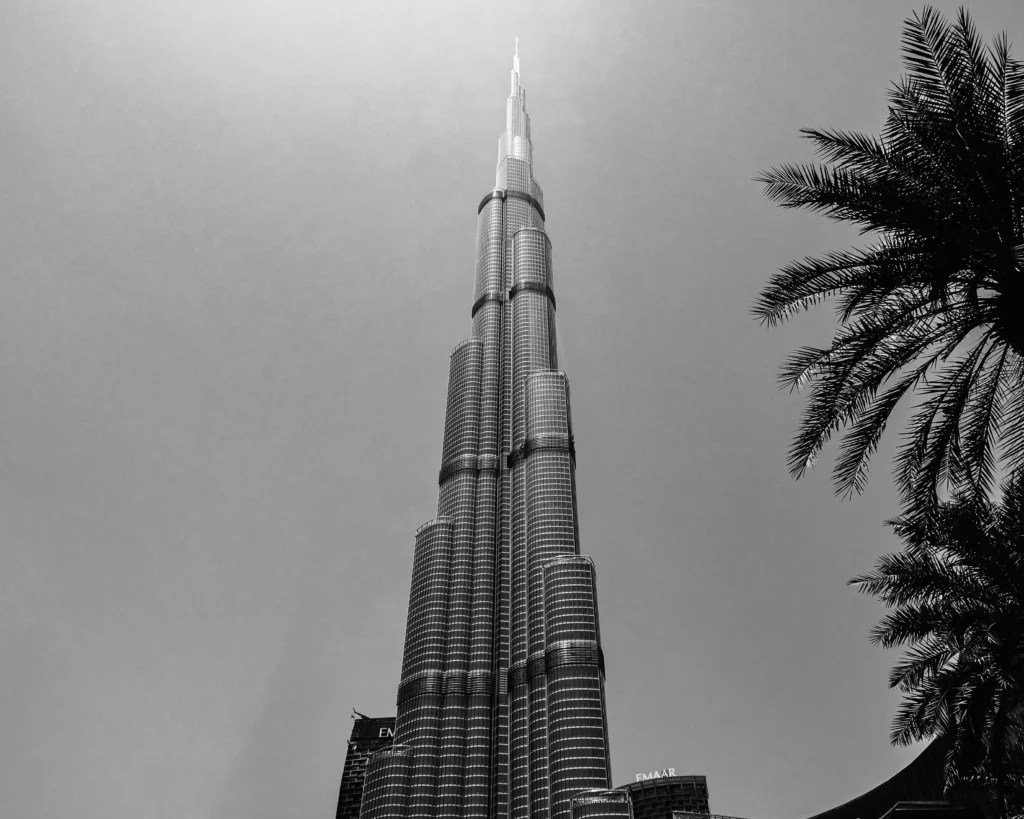
As of 2023, the Burj Khalifa in Dubai, UAE, retains its title as the tallest building in the world, standing at a staggering 828 metres (2,717 feet). Completed in 2010, this iconic structure experiences millions of visitors annually, drawn by its observation decks that offer stunning views of the surrounding landscape. Yet, other buildings are vying for recognition.
The Shanghai Tower in China comes in second, measuring 632 metres (2,073 feet). It features a twisting form designed to withstand typhoon winds, demonstrating a significant advancement in sustainable design and energy efficiency. The Abraj Al Bait Clock Tower in Mecca, Saudi Arabia, is third, reaching a height of 601 metres (1,971 feet) and showcasing Islamic architecture in a contemporary light.
Emerging Contenders
The race to the top continues with several notable projects underway. The Jeddah Tower in Saudi Arabia is under construction and expected to surpass the Burj Khalifa upon completion, aiming for a height of over 1,000 metres (3,281 feet). Initially projected for a 2021 completion, delays have pushed the timeline further, yet the ambition remains evident.
Another anticipated project is the Shanghai Tower’s rival, the Wuhan Greenland Center, set to reach 636 metres (2,087 feet). Scheduled for completion in the next few years, it will contribute to China’s ever-growing skyline, presenting an impressive blend of aesthetics and functionality.
Conclusion
The world’s tallest buildings are more than just architectural accomplishments; they represent cultural identity, economic power, and technological progress. As urban populations increase, the demand for innovative skyscrapers is likely to keep growing. The projects in the pipeline promise not just to extend the height of buildings but also to redefine the relationship between urban living and architectural design. In the coming years, we can expect to see even taller and more sophisticated structures that push the boundaries of what is possible in construction.