Introduction
The geopolitical relationship between Greece and Turkey has been fraught with tension and conflict for centuries. These two nations, situated in a strategically important region of the Eastern Mediterranean, have a complex history marked by territorial disputes, nationalism, and competing interests. Understanding the dynamics of Greece vs Turkey is vital, not only for regional stability but also for international relations, given the broader implications for NATO and the European Union.
Historical Tensions
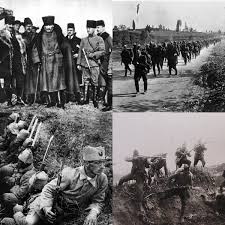
The roots of the Greece and Turkey conflict date back to the fall of the Byzantine Empire in the 15th century and the subsequent rise of the Ottoman Empire, which ruled Greece for nearly 400 years. The modern state of Greece emerged relatively recently in the 19th century, provoking nationalist sentiments from both sides. Key flashpoints include the Greco-Turkish War (1919-1922) and the Cyprus conflict, which has seen both countries entangled in disputes over the island since the 1970s.
Recent Developments
In recent months, tensions between Greece and Turkey have escalated over maritime borders and the rights to explore energy resources in the Eastern Mediterranean. Reports indicate that both nations have increased their military presence in disputed waters, raising concerns among NATO allies. In September 2023, Turkey conducted military exercises in the Aegean Sea, which Greece deemed a provocative act. Additionally, incidents involving airspace violations have become more frequent, prompting the need for dialogue.
Furthermore, numerous diplomatic meetings have been held over recent years attempting to ameliorate relations, but substantive agreements have proven elusive. Recent comments by officials from both nations suggest a willingness to negotiate; however, underlying grievances remain unresolved.
Conclusion
The historical context of Greece vs Turkey highlights the complex and multifaceted nature of their relationship. Despite ongoing tensions, both countries have significant economic and cultural ties that serve as a foundation for potential reconciliation. Moving forward, international mediation may play a crucial role in easing tensions and fostering a peaceful resolution of disputes, especially with the ongoing energy exploration on everyone’s agenda. Observers will be closely watching how both nations navigate this challenging period, as any misstep could have far-reaching implications for regional stability.