





Introduction
The Department for Work and Pensions (DWP) has introduced a cost of living payment scheme to support vulnerable households in light of rising living costs across the UK. As inflation continues to place pressure on everyday expenses, this initiative aims to alleviate financial burdens for those most in need, making it a crucial topic for many families and individuals facing economic challenges.
The DWP Cost of Living Payment Explained
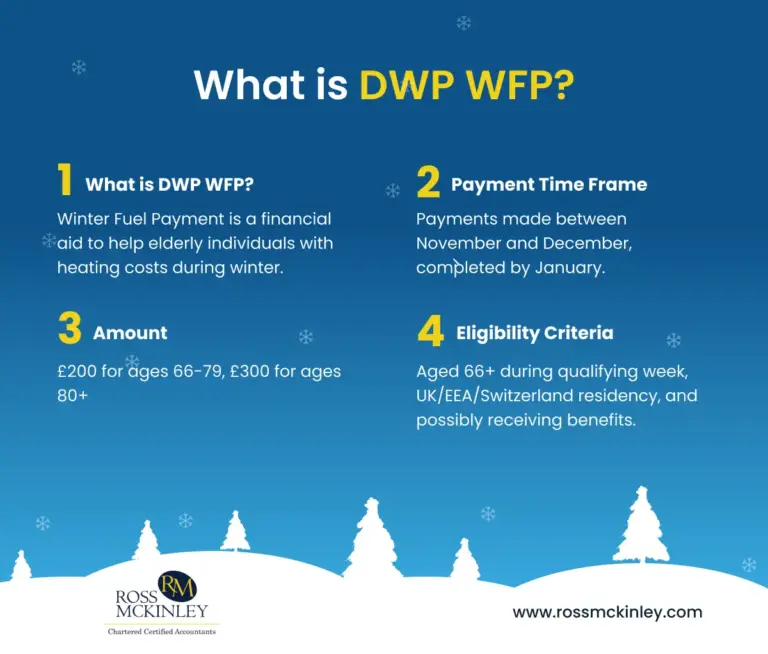
Launched in response to the escalating cost of essentials like food and energy, the DWP cost of living payment is designed to provide financial assistance to low-income families. The payment aims to cushion the impact of inflation and help prevent individuals from falling into poverty.
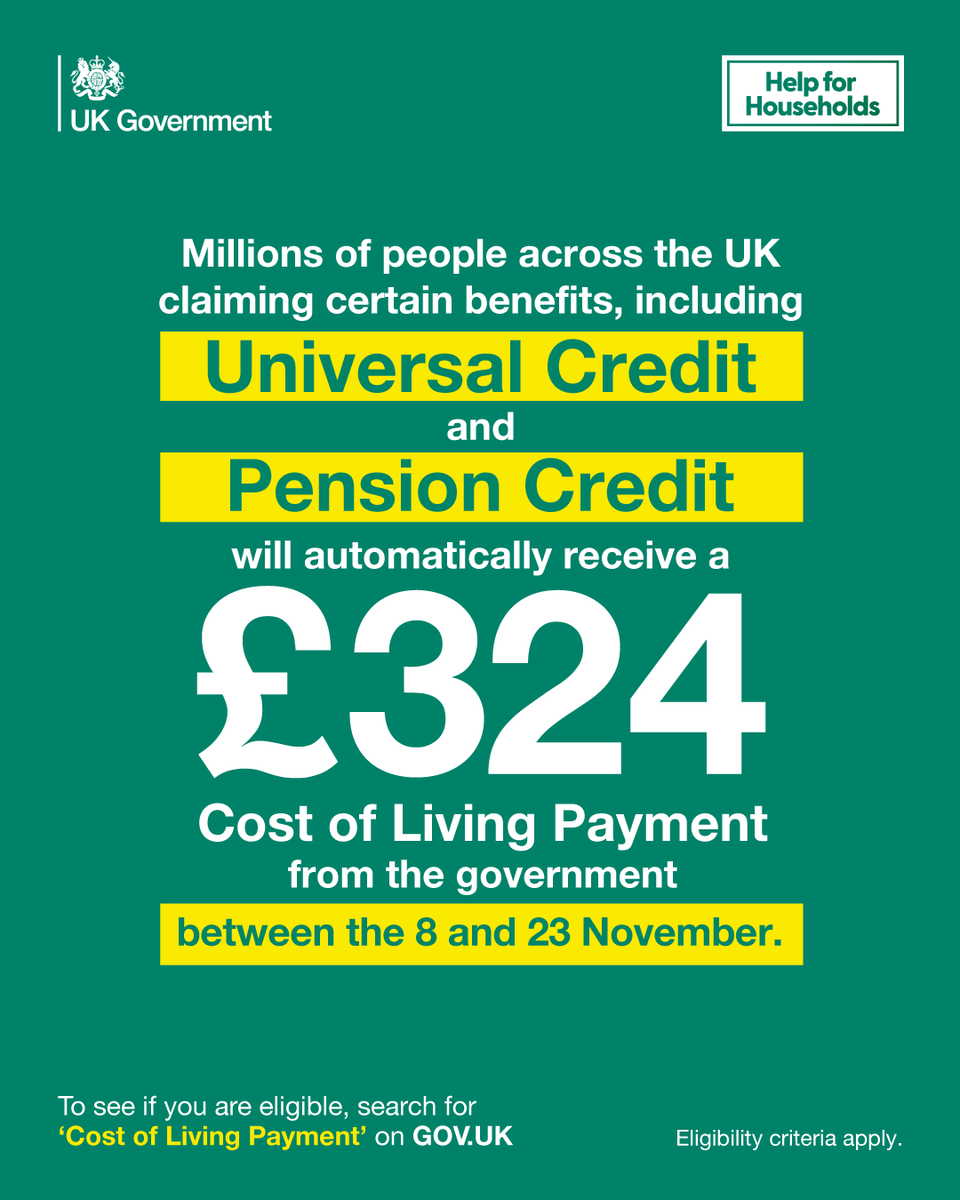
Eligible recipients include those on universal credit, income-related benefits, and pension credit, among various others. As announced in recent governmental communication, the payment will be distributed in multiple instalments throughout the year, with the first payment already having reached bank accounts in recent months.
Payment Details and Eligibility
As part of the scheme, eligible individuals can expect to receive an amount up to £650 across the two primary instalments if they meet certain eligibility criteria. The eligibility cut-off date typically revolves around the end of the financial year, so it is important for potential claimants to check the DWP’s guidelines closely.
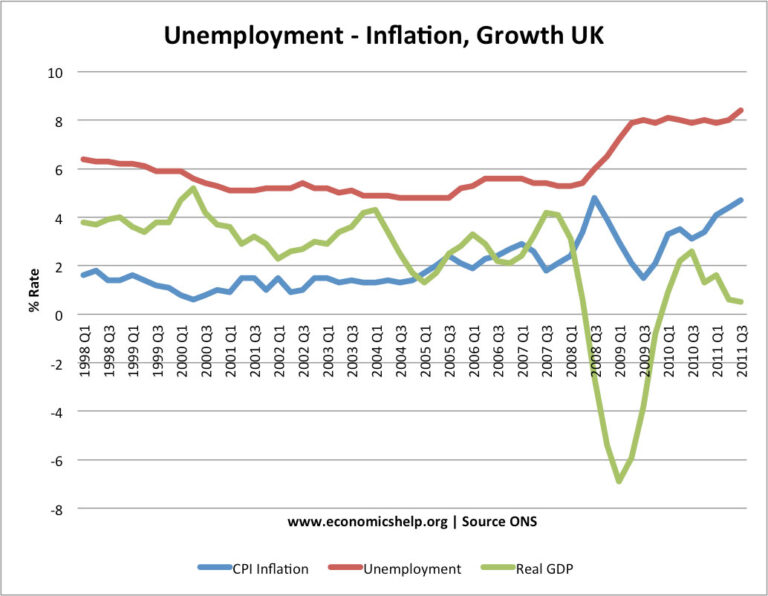
The DWP has reiterated the necessity for the scheme, highlighting how high inflation rates are stretching the budgets of many households. The UK experienced a significant increase in the Consumer Prices Index (CPI), leading to a natural response from government bodies to provide financial support to mitigate hardship.
Wider Economic Context and Future Considerations
Although these payments can provide much-needed support in the immediate term, the underlying economic issues remain a concern. Inflation rates are projected to continue fluctuating, and the DWP is exploring additional measures to support individuals struggling with their finances.
As the cost of living crisis evolves, it is anticipated that further discussions will arise regarding potential adjustments to benefits and additional support for those who are not eligible for current assistance. Stakeholders, including community organisations and MPs, are advocating for proactive measures to ensure no one is left behind during this tumultuous economic period.
Conclusion
The DWP cost of living payment is an essential initiative responding to the financial challenges faced by low-income households in the UK. By providing crucial financial support now, the scheme aims to provide temporary relief whilst discussions continue around longer-term solutions. For those in need, staying informed about changes and updates regarding payments is vital to accessing the assistance available during these challenging times.