








Introduction
The competition between NEOM and Al-Riyadh is more than just a geographical rivalry; it represents two distinct visions for the future of Saudi Arabia. NEOM, a planned cross-border city in the Tabuk Province, epitomises the Kingdom’s ambitious plans to diversify its economy and embrace sustainability. Conversely, Al-Riyadh, the bustling capital, is undergoing significant transformations aimed at modernising urban infrastructure and elevating its global status.
NEOM: The Future of Urban Living
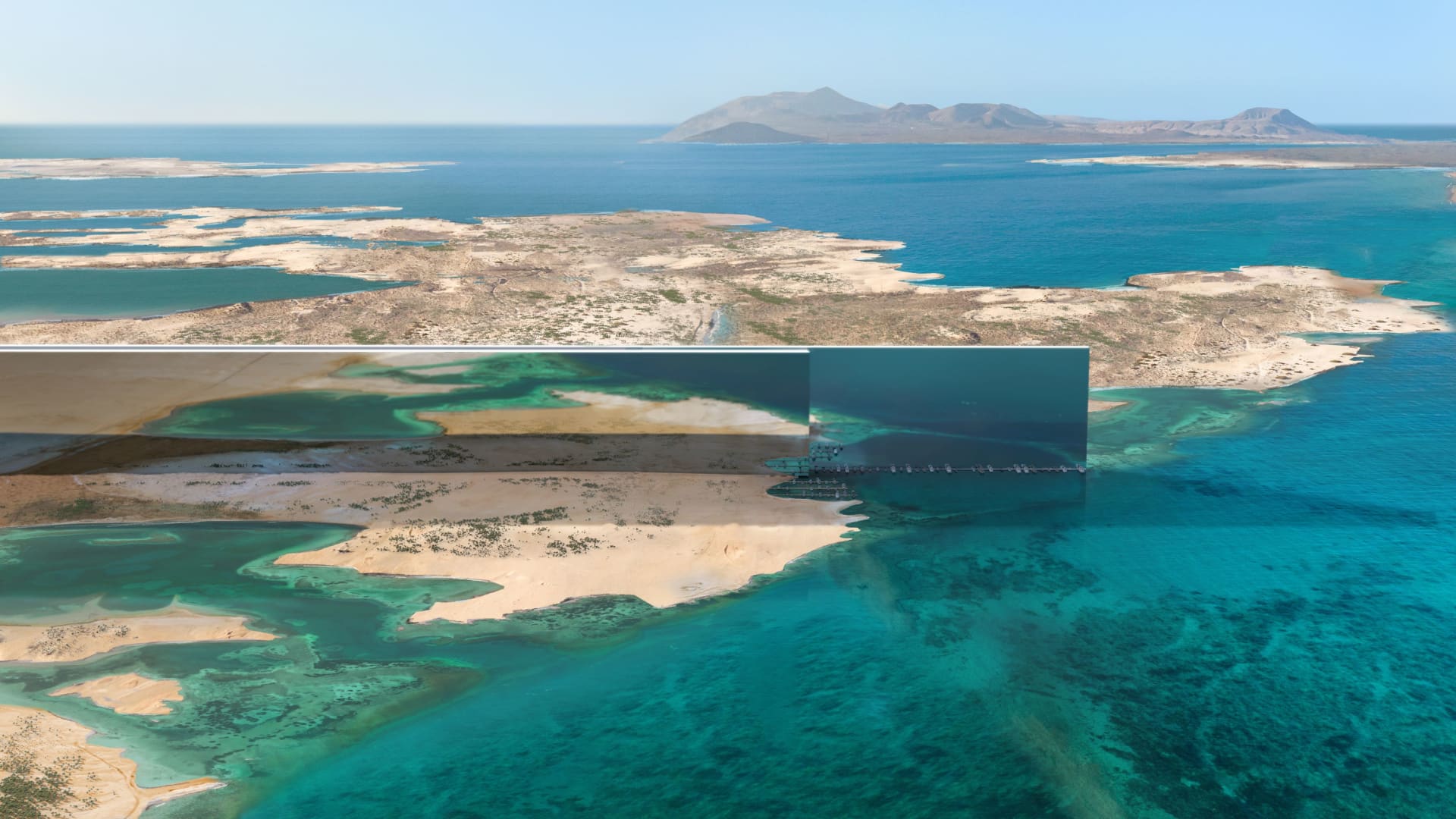
NEOM is a cornerstone project under Saudi Arabia’s Vision 2030 initiative, which targets a shift away from oil dependence. Covering an area of 26,500 square kilometres, NEOM aims to be a hub for innovation, technological advancement, and tourism. The project boasts an impressive range of components, including smart city technology, sustainable living arrangements, and a commitment to renewable energy sources.
With a budget exceeding $500 billion, NEOM has already attracted considerable attention from international investors. The project’s proposed LINE, a linear city that runs 170 kilometres, promises to redefine urban living by integrating nature and high-tech solutions. Its progress showcases the ambitious goals of Saudi Arabia to become a global leader in sustainable development.
Al-Riyadh: Modernisation and Growth
In contrast, Al-Riyadh, established as the political and administrative centre of Saudi Arabia, has defined the country’s urban landscape for decades. The city is in the midst of a major revitalisation programme, aiming to improve infrastructure, enhance public transportation, and increase green spaces. The Riyadh Development Authority has initiated numerous projects under the Riyadh Metro system, which hopes to significantly reduce congestion and ease the movement of residents in the city.
Al-Riyadh currently faces challenges typical of rapidly growing urban centres, including traffic congestion and pollution. However, with government initiatives aimed at modernising the capital, Al-Riyadh is expected to emerge as a stronger competitor in the global urban framework.
Conclusion
The developments in both NEOM and Al-Riyadh highlight Saudi Arabia’s commitment to a transformative future. While NEOM may attract global interest due to its innovative approach to urban living, Al-Riyadh’s long-standing role as the capital ensures it remains vital to the country’s identity and governance.
Looking ahead, the success of these projects may depend on how they integrate culture, technology, and sustainability. As both NEOM and Al-Riyadh continue to evolve, they will undoubtedly play crucial roles in shaping the socio-economic landscape of Saudi Arabia and the wider region.