








Introduction
Sudden stratospheric warming (SSW) has become a topic of increasing interest due to its significant impact on weather patterns across the Northern Hemisphere. Characterised by dramatic temperature rises in the stratosphere, this meteorological phenomenon can lead to a cascade of weather changes, including harsh winter conditions in various regions. Understanding SSW is crucial for climatologists and meteorologists as it helps in predicting unusual weather events and their potential implications for ecosystems and human activities.
What is Sudden Stratospheric Warming?
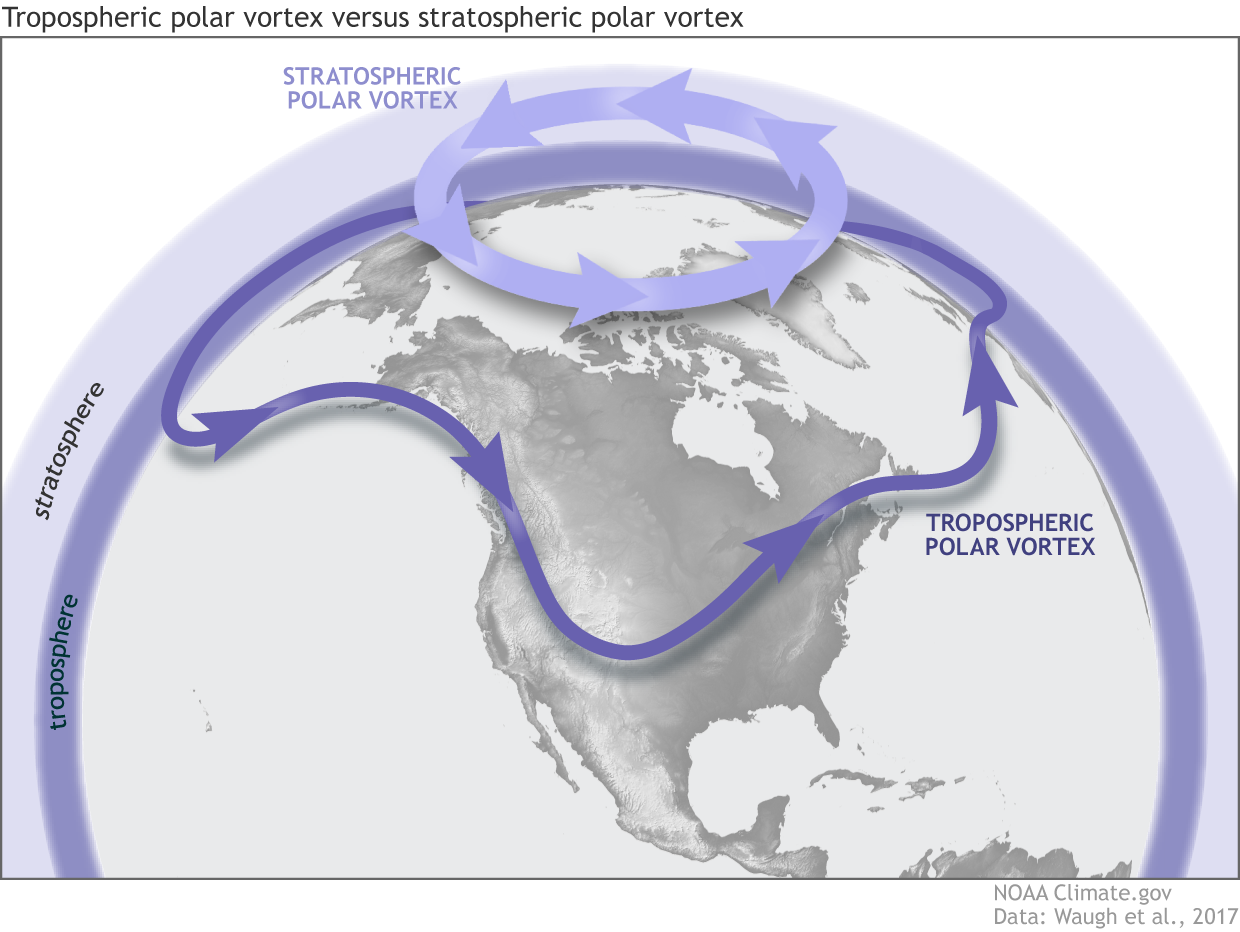
SSW occurs when the polar vortex, a band of strong winds encircling Antarctica or the Arctic, becomes disrupted. This disruption leads to a rapid warming of the stratosphere, sometimes by as much as 50 degrees Celsius within days. This warming event can cause the polar winds to weaken or even reverse, which can allow frigid Arctic air to spill into lower latitudes.
Recent Developments
As of early 2024, meteorologists have noted a worrying trend with recent SSW events occurring more frequently. The beginning of January reported an unexpected SSW over the Arctic region, leading to forecasts of colder-than-average conditions across Europe and North America. Experts are linking these events to changes in climate patterns, suggesting a possible correlation between rising global temperatures and the instability of the polar vortex.
Impacts of Sudden Stratospheric Warming
The implications of SSW can vary widely, but they often result in a significant alteration of traditional weather patterns. The cold Arctic air that spills south can lead to severe winter weather, including heavy snowfall and freezing temperatures in typically milder regions. The recent SSW experienced in mid-January has already begun affecting temperature forecasts across the UK, pushing warmer air from the Atlantic while simultaneously causing bitter cold spells in Eastern Europe. Additionally, the agricultural sector is on alert as sudden weather changes can impact crop yields, while infrastructure may face stresses from unexpected winter conditions.
Conclusion
The phenomenon of sudden stratospheric warming is not just a scientific curiosity; it has real-world repercussions that affect millions. As climate change progresses, understanding SSW will become even more vital for anticipating weather extremes. Meteorological forecasts that take SSW into account can better prepare communities for the potential impacts of these sudden changes, thereby enabling informed decisions in emergency management and resource allocation. As research continues, the hope is to refine our understanding and predictive capabilities regarding this significant atmospheric event, mitigating its impacts in an uncertain climate future.