










Introduction
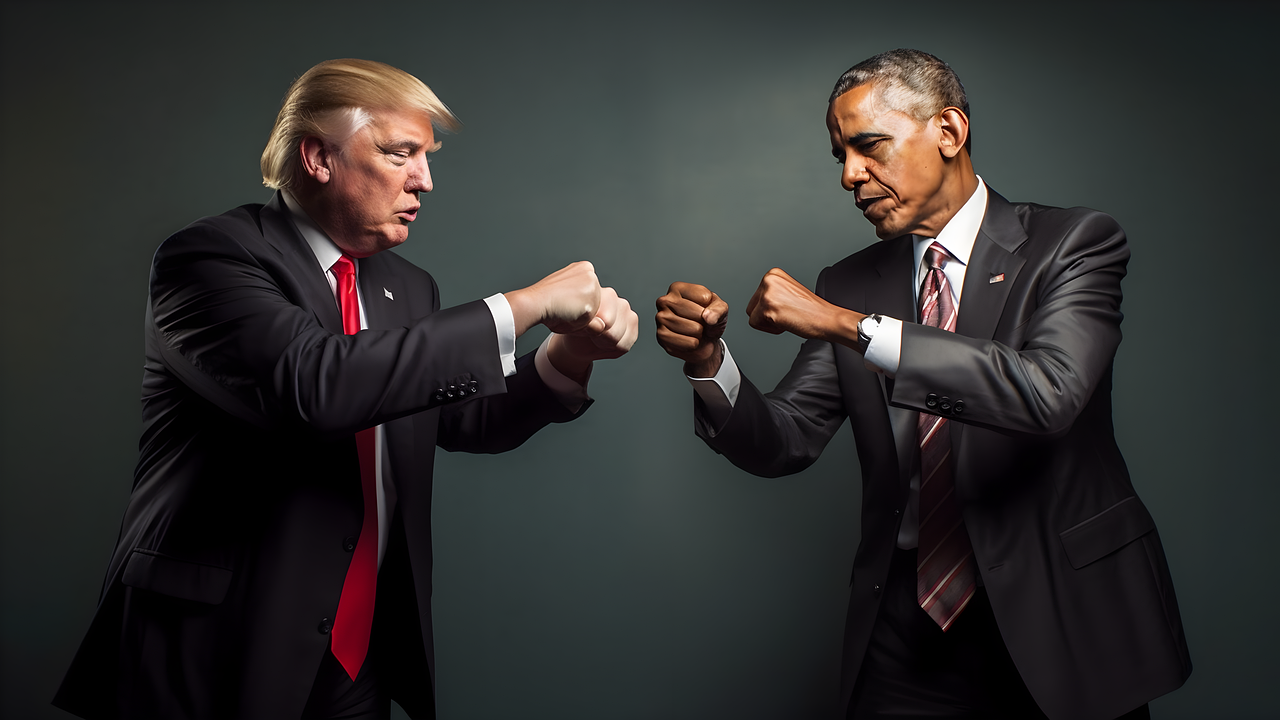
The legacies of Donald Trump and Barack Obama continue to shape American politics today. As two of the most recent presidents, their contrasting ideologies and policies have created a significant impact on both domestic and international fronts. Understanding these differences is vital for comprehending contemporary political discussions in the United States.
Policy Differences
Barack Obama, who served from 2009 to 2017, championed policies aimed at expanding healthcare access, implementing environmental protections, and promoting social equality. The Affordable Care Act, commonly known as ‘Obamacare,’ was a hallmark achievement under his administration, providing millions of Americans with health insurance. Obama’s foreign policy, characterised by a pivot towards diplomacy, saw attempts to improve relations with Cuba and Iran, alongside the withdrawal of troops from Iraq.
In stark contrast, Donald Trump’s presidency from 2017 to 2021 marked a significant shift in many areas. His ‘America First’ agenda revolved around aggressive trade policies, including tariffs on China, and a strict immigration policy, exemplified by the controversial travel ban and the establishment of stricter border controls. Trump’s foreign policy focused on renegotiating trade agreements and fostering a more combative stance with NATO allies, which attracted both support and criticism.
Public Perception and Approval Ratings
Public perception of both presidents illustrates the divided opinion in the nation. Obama left office with a relatively high approval rating, around 60%, buoyed by the recovery from the Great Recession and national advancements in civil rights. Meanwhile, Trump’s approval ratings were marked by unprecedented lows and highs, often reflecting the polarised media landscape and the charged political environment of his administration. His tenure was often viewed through a lens of controversy, with one of the highest rates of disapproval of any modern president.
Legacy and Future Implications
As the United States heads into the future, the legacies of Trump and Obama continue to spark debates among voters and political analysts alike. Their contrasting policies on healthcare, immigration, environmental issues, and international diplomacy lay the groundwork for ongoing discussions about the future direction of the country. As both parties reflect on these differing approaches, the implications for future elections are profound, with both the Democratic and Republican parties seeking to redefine their identities and strategies in the wake of their respective leaders.
Conclusion
The political legacies of Trump and Obama are not just historical footnotes; they inform the current political climate and will influence future leaders and policies. As Americans grapple with their visions for the country, the debates surrounding the achievements and controversies of these two presidencies continue to resonate, shaping the national discourse and highlighting the differences that may define the future of the United States.