







Introduction: Understanding RSV and the Need for Vaccination
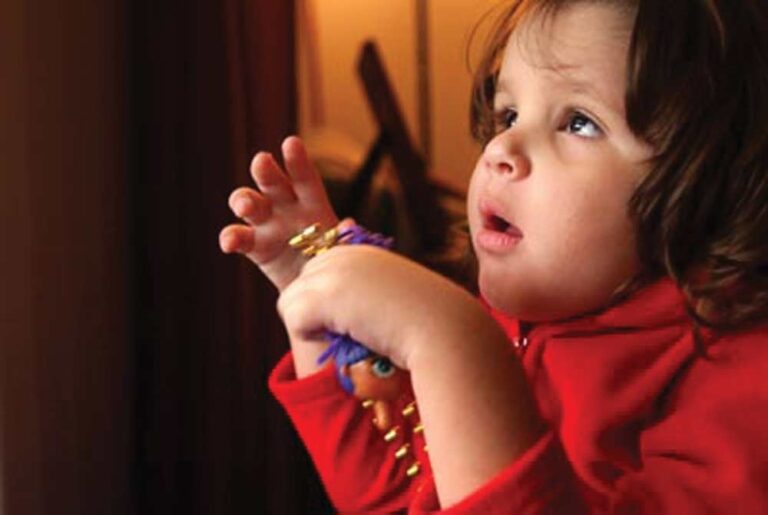
The recent development of the respiratory syncytial virus (RSV) vaccine marks a significant milestone in public health, particularly in paediatric care. RSV is known to be one of the leading causes of serious respiratory illness in children under two years of age, leading to hospitalisation and, in severe cases, death. According to the World Health Organisation (WHO), RSV is responsible for approximately 118,000 deaths annually worldwide among children under five. The introduction of the RSV vaccine is crucial for reducing this burden and safeguarding the health of vulnerable populations.
Recent Developments in RSV Vaccination
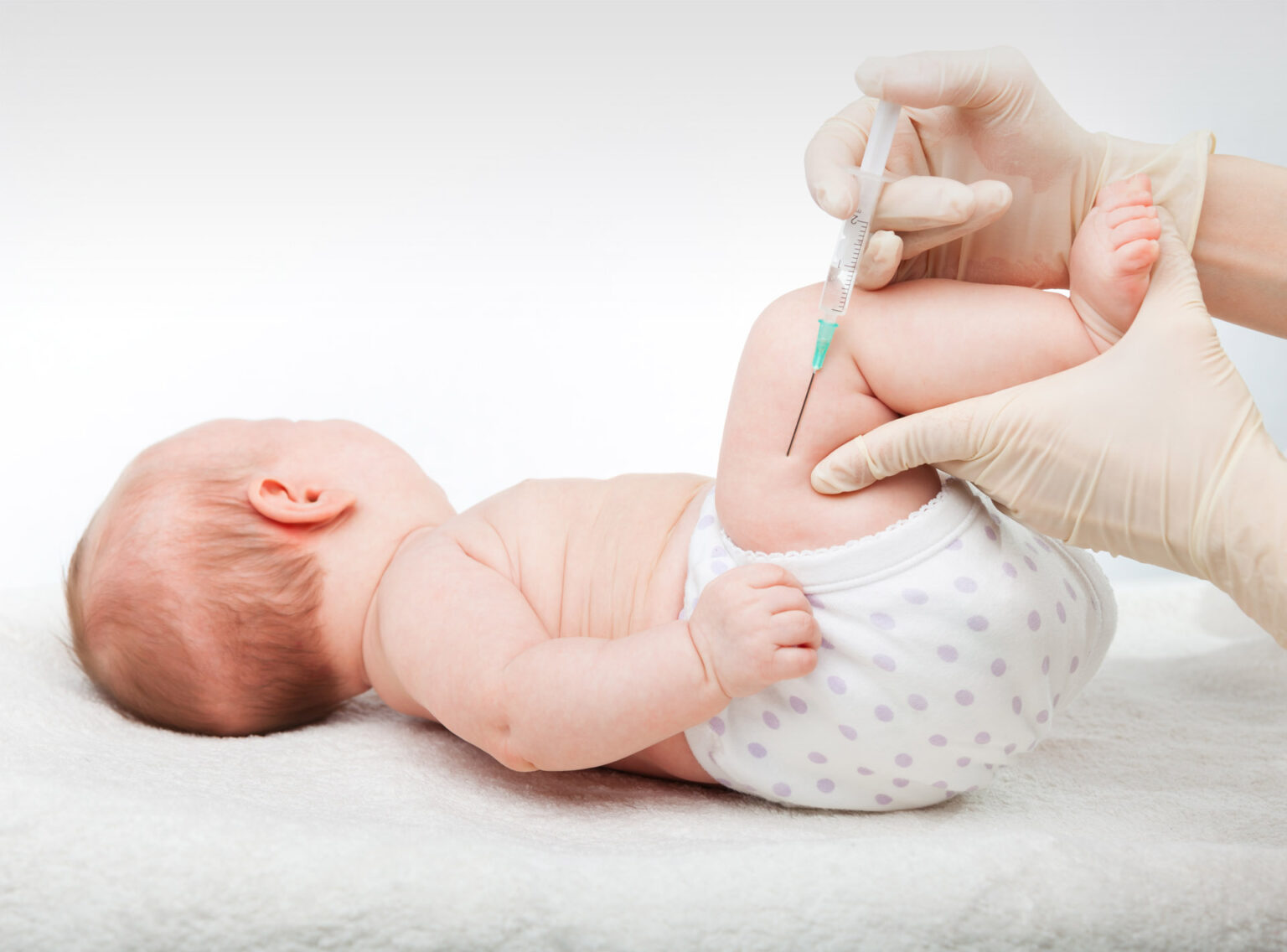
This year, several pharmaceutical companies have announced successful clinical trials for RSV vaccines. The trials showed promising results, with high efficacy rates—ranging from 70% to over 90%—in preventing severe RSV infection in infants. One notable candidate, developed by Pfizer, was granted emergency use authorisation in several countries, including the UK and the USA. This vaccine aims to protect both infants directly and pregnant women, thereby creating passive immunity for newborns.
The excitement around these vaccines continues to build as the winter season approaches, a period when RSV cases typically spike. Health authorities are preparing to roll out vaccination programmes aimed at pregnant mothers and high-risk infants, hoping to significantly reduce hospitalisation rates due to RSV.
Challenges and Future Outlook
While the development of the RSV vaccine is a remarkable achievement, public health officials face challenges in ensuring equitable access to these vaccines, particularly in low- and middle-income countries. Ensuring that proper distribution and educational resources are available will be crucial to maximise the vaccine’s impact.
Moreover, ongoing research into the duration of immunity the vaccine provides and potential side effects is essential. It is imperative that health organisations continue gathering data post-licensure to ensure that any long-term effects are well understood.
Conclusion: A Positive Step Forward
The RSV vaccine holds the potential to revolutionise child healthcare by significantly lowering the incidence of severe respiratory illness in young children. As vaccination programs begin, monitoring their effectiveness will be critical to understanding their impact on public health. If administered widely and effectively, the RSV vaccine could become a key tool in protecting vulnerable infants, making every winter season safer for families.