







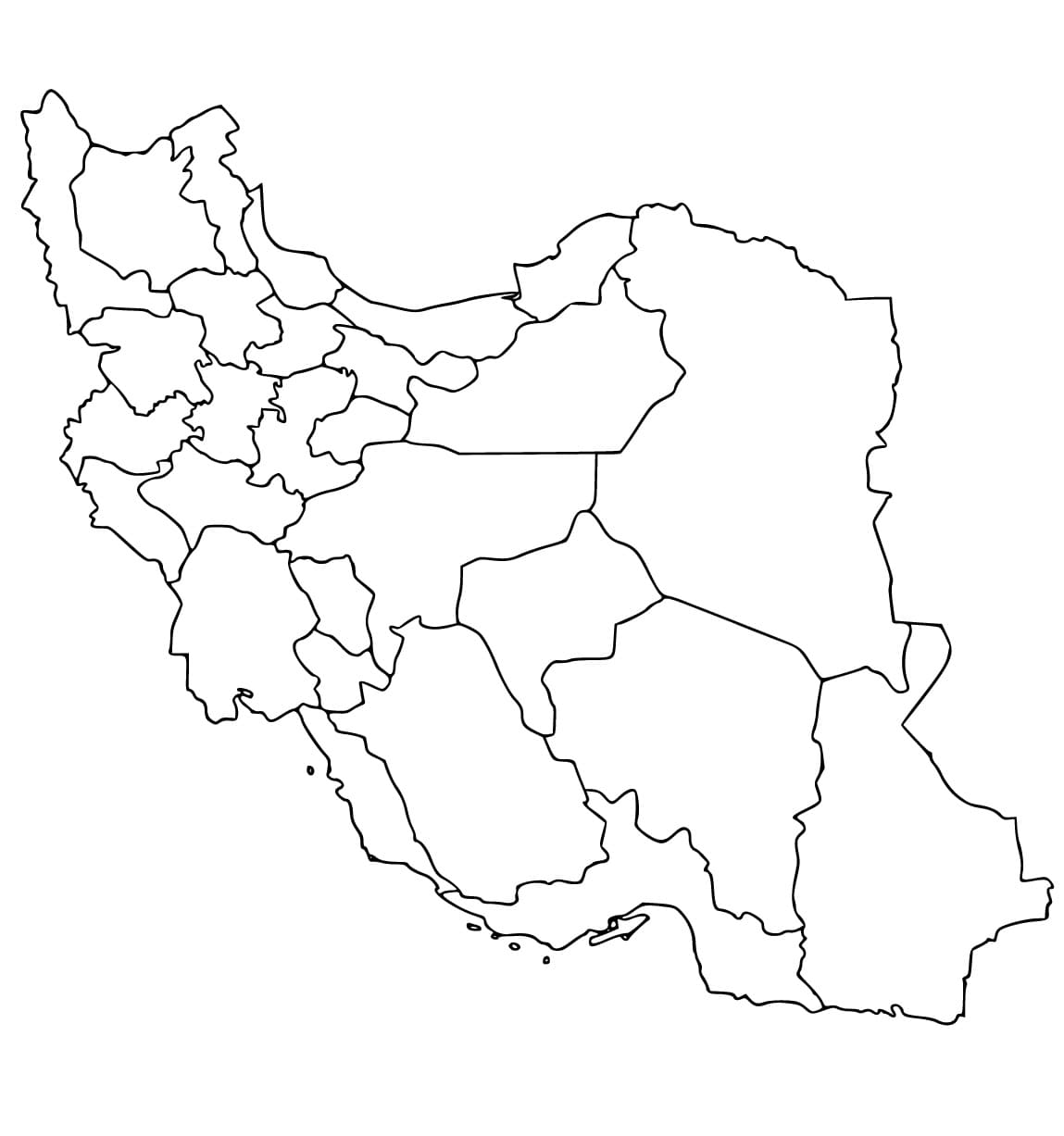
Introduction
Iran, a nation steeped in rich history and culture, is currently facing a myriad of challenges, both internally and externally. The importance of staying informed about Iran’s political and social dynamics cannot be understated, as these issues have significant implications not just for the region, but also for global politics. From the aftermath of protests to the ongoing negotiations over its nuclear program, Iran remains at the forefront of international news.
Political Landscape
In recent months, Iran has been dealing with the effects of widespread protests that erupted in late 2022 after the death of Mahsa Amini, a young woman who died in police custody. These protests highlighted the public’s frustrations with the government’s strict authoritarian policies and human rights abuses. Despite the government’s crackdown on dissent, the desire for change remains prevalent among Iranian citizens.
In addition to domestic protests, Iran is also navigating complex international relations, particularly with Western nations. The stalled negotiations regarding Iran’s nuclear program have intensified tensions with the United States and European countries. The Joint Comprehensive Plan of Action (JCPOA), established in 2015, aimed to limit Iran’s nuclear capabilities in exchange for the lifting of sanctions. However, recent developments have raised concerns about Iran’s nuclear ambitions, notably the enrichment of uranium to levels closer to weapons-grade.
Economic Challenges
Economically, Iran is grappling with heavy sanctions imposed by the United States since its withdrawal from the JCPOA in 2018. Inflation rates have soared, and many citizens struggle to meet their basic needs as the economy continues to falter. The Iranian currency, the rial, has lost significant value, exacerbating the financial strain on ordinary citizens. These challenges have prompted discussions within Iran about the need for economic reform and greater international engagement.
Conclusion
As Iran grapples with its internal and external challenges, it will be crucial for both policymakers and citizens to engage constructively in dialogue. The implications of Iran’s current situation extend beyond its borders, affecting its neighbours and the wider international community. Observers forecast that without significant reform and reconciliation efforts, Iran may continue to face turmoil. For readers, understanding the complexities of Iran’s socio-political landscape will be essential as events unfold, impacting global relations and regional stability in the years to come.