








Introduction to the Bank of England Base Rate
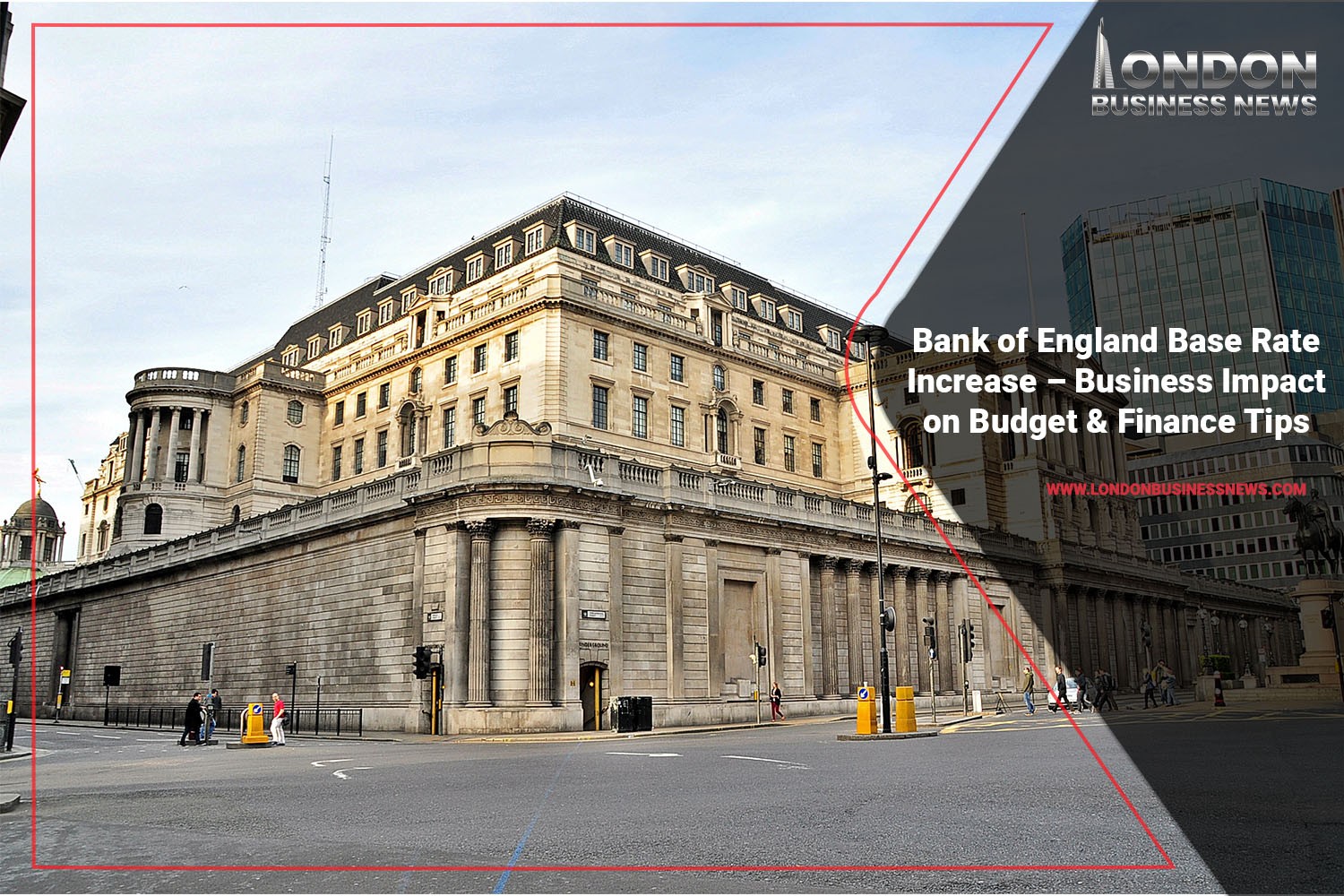
The Bank of England (BoE) base rate is a crucial financial instrument that influences interest rates across the UK economy. Adjusting the base rate can significantly impact borrowing costs, consumer spending, and inflation, making it a central focus for businesses and individuals alike. Recent changes in the base rate have raised concerns and discussions regarding economic stability and growth, particularly in the post-pandemic recovery phase.
Recent Developments
As of its latest meeting on November 2, 2023, the Bank of England decided to maintain the base rate at 5.25%, despite pressures from rising inflation rates which have soared to around 5.9%. The decision stemmed from a cautious approach in order to balance inflationary pressures with economic growth. BoE Governor Andrew Bailey indicated that while inflation remains above their 2% target, there are signs that the economy is stabilising, and a steady approach may be beneficial for long-term growth.
Impacts of Base Rate Changes
Changes to the base rate directly influence mortgage rates and personal loans, affecting household finances. With the ongoing rise in property prices and living costs, many homeowners are concerned about the potential for rate increases to make borrowing more costly. Analysis from economic experts suggests that retaining the current base rate for the near future could provide stability, encouraging consumer spending, which is vital for economic recovery. However, should inflation continue to surpass targets, market predictions suggest that a rate hike may be necessary by early 2024.
Future Forecasts
Economists are divided on the future trajectory of the BoE base rate. While some believe it will increase within the next few months as inflation pressures persist, others argue that the economy’s growth indicators may prompt a delay in further rate rises. The BoE has stated it remains vigilant and responsive to economic data and global trends. As the UK approaches a potential general election, the economic implications of the base rate will undoubtedly be scrutinised by policymakers and voters alike, heightening its significance in the public eye.
Conclusion
The Bank of England base rate continues to be a pivotal element of the UK financial landscape. As inflation dynamics evolve and economic conditions change, being informed about potential shifts in the base rate will be essential for businesses and consumers making financial decisions. Monitoring upcoming BoE announcements and economic indicators will provide clarity on how long the current rate may hold and what implications it may have for the UK economy in the coming year.