








Introduction
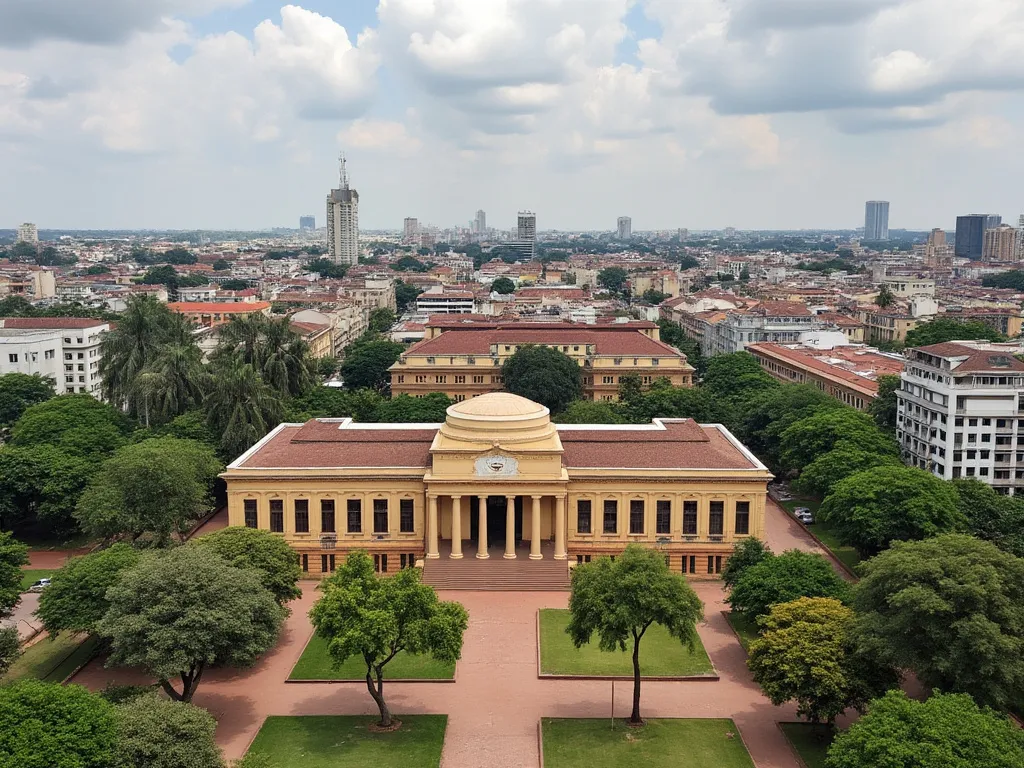
Ouagadougou, the capital city of Burkina Faso, holds significant cultural, political, and economic importance in West Africa. Known for its rich history and vibrant culture, the city serves as a hub for various activities ranging from governmental affairs to artistic expressions. As the largest city in Burkina Faso, Ouagadougou plays a vital role in shaping the country’s identity and influencing regional dynamics.
Historical Significance
Founded in the 11th century, Ouagadougou has a deep-rooted history that reflects the broader narrative of Burkina Faso. The city was initially a centre for trade and governance for the Mossi people, who established powerful kingdoms in the region. Significant historical landmarks, such as the Moro-Naba Palace, offer insights into the traditional governance and cultural heritage of the Mossi, as the Moro-Naba, or the king, still holds cultural significance today.
Modern Developments
Today, Ouagadougou is not only a centre for administrative functions but also hosts several significant events, including the biennial FESPACO film festival, which celebrates African cinema. The city’s economy is bolstered by agriculture and trade, while initiatives are being taken to promote tourism and improve infrastructure. Recent investments have focused on enhancing transportation and communication networks, which are essential for the city’s growth and accessibility.
Cultural Landscape
The city is a melting pot of cultures fostering a diverse atmosphere fueled by numerous ethnic groups. Traditional music, dance, and theatre are integral to life in Ouagadougou, with festivals often showcasing these art forms. Markets such as the Ouagadougou Central Market offer a glimpse into daily life, where locals and tourists alike can explore an array of handicrafts, textiles, and local cuisine, forming an integral part of the city’s economy.
Future Outlook
As Ouagadougou continues to evolve, its role as a cultural and economic hub is set to expand. Sustainability and smart city initiatives are being discussed to address urban challenges while preserving the city’s unique heritage. The government is also working towards enhancing security, which is paramount for creating a conducive environment for investment and tourism.
Conclusion
Ouagadougou represents a diverse blend of history, culture, and modernity. As Burkina Faso navigates through contemporary challenges, the capital city’s development signifies hope and resilience. For readers interested in West African culture, understanding Ouagadougou provides a glimpse into the region’s past, present, and future, highlighting its potential as a significant player on the African continent.