









Introduction
The Trevi Fountain holds a prominent place in Rome’s rich tapestry of history and culture. As one of the most famous fountains in the world, it attracts millions of tourists each year who come to admire its stunning Baroque design and participate in the tradition of tossing a coin into its waters. This iconic landmark is not just a beautiful construction; it is a symbol of Rome’s artistic legacy and a reflection of timeless romance.
Historical Significance
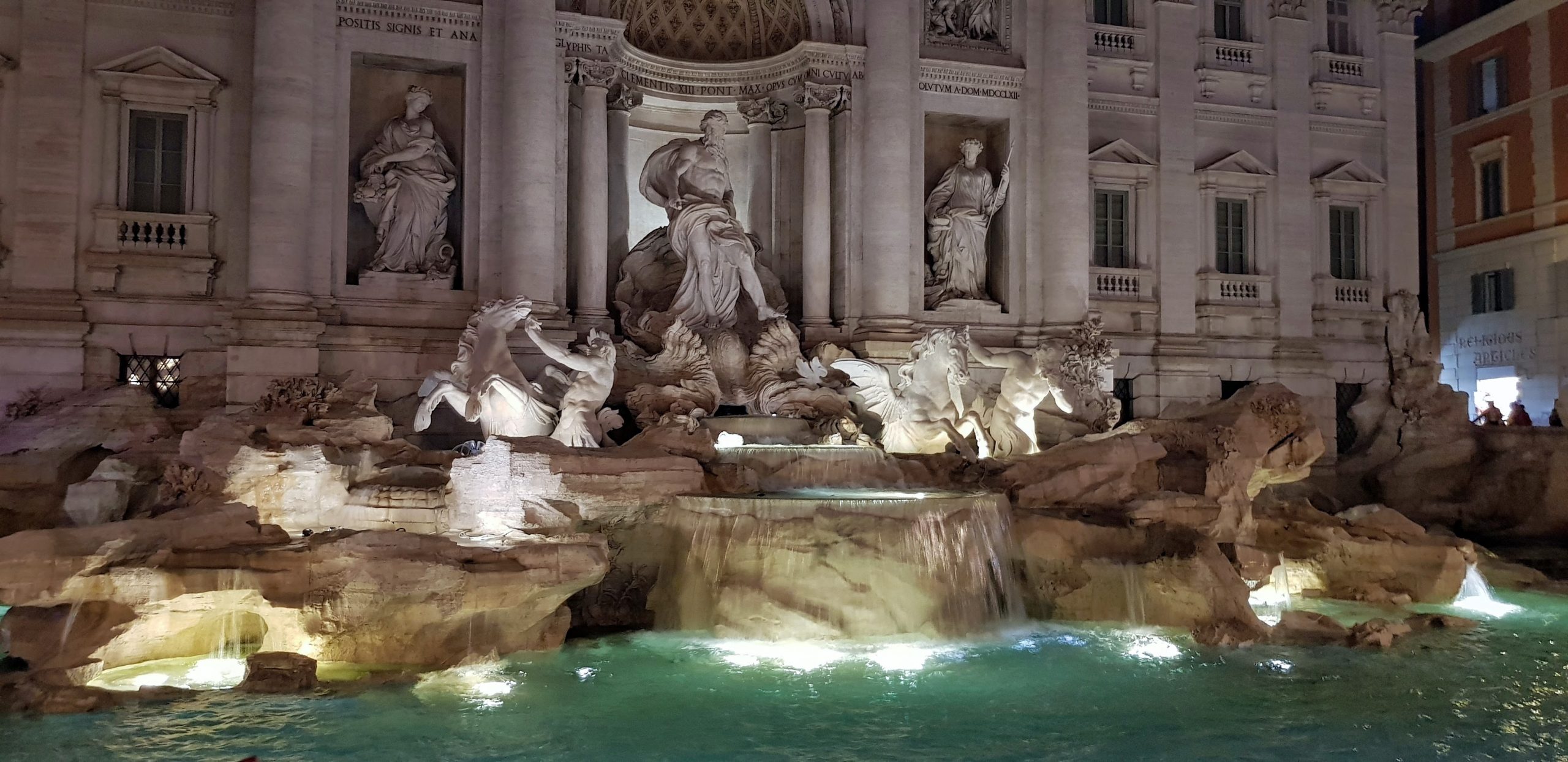
Constructed between 1732 and 1762, the Trevi Fountain is the largest Baroque fountain in the city and was designed by architect Nicola Salvi. Its design is an homage to the mythological past and the importance of water in Rome’s history, as it marks the terminal point of the Aqua Virgo aqueduct, dating back to 19 BC. The fountain features intricate sculptures, including the central figure of Neptune, flanked by allegorical figures representing abundance and health, which narrate the history of water in the city.
Recent Events and Current Relevance
In recent years, the Trevi Fountain has seen various restoration projects aimed at preserving its original grandeur. A significant restoration completed in 2015 revitalised the fountain’s stonework and improved its water filtration system, ensuring that it continues to shine amid the bustling city atmosphere. Moreover, amid the backdrop of the COVID-19 pandemic, Italy’s cultural landmarks, including the Trevi Fountain, play a vital role in regeneration efforts, attracting tourists’ attention as they seek to return to the wonders of travel.
Visitor Experience
For visitors, the experience of the Trevi Fountain extends far beyond its stunning visuals. The tradition of coin tossing, which is said to ensure a return to Rome, remains a highlight for tourists. It is estimated that around €1.5 million are thrown into the fountain each year, contributing to charitable efforts initiated by the local authorities. The surrounding area, with its vibrant cafes and shops, adds to the fountain’s allure, making it a lively meeting point for both locals and tourists alike.
Conclusion
The Trevi Fountain is not merely a tourist attraction; it is a historical narrative that encapsulates the artistry and culture of Rome. As the world gradually returns to normalcy, the fountain stands as a testament to resilience and the indomitable human spirit. Its significance as a cultural symbol will continue to inspire future generations to visit and keep the traditions alive, reinforcing the fountain’s role as a beloved landmark of Italy for years to come.