








Introduction
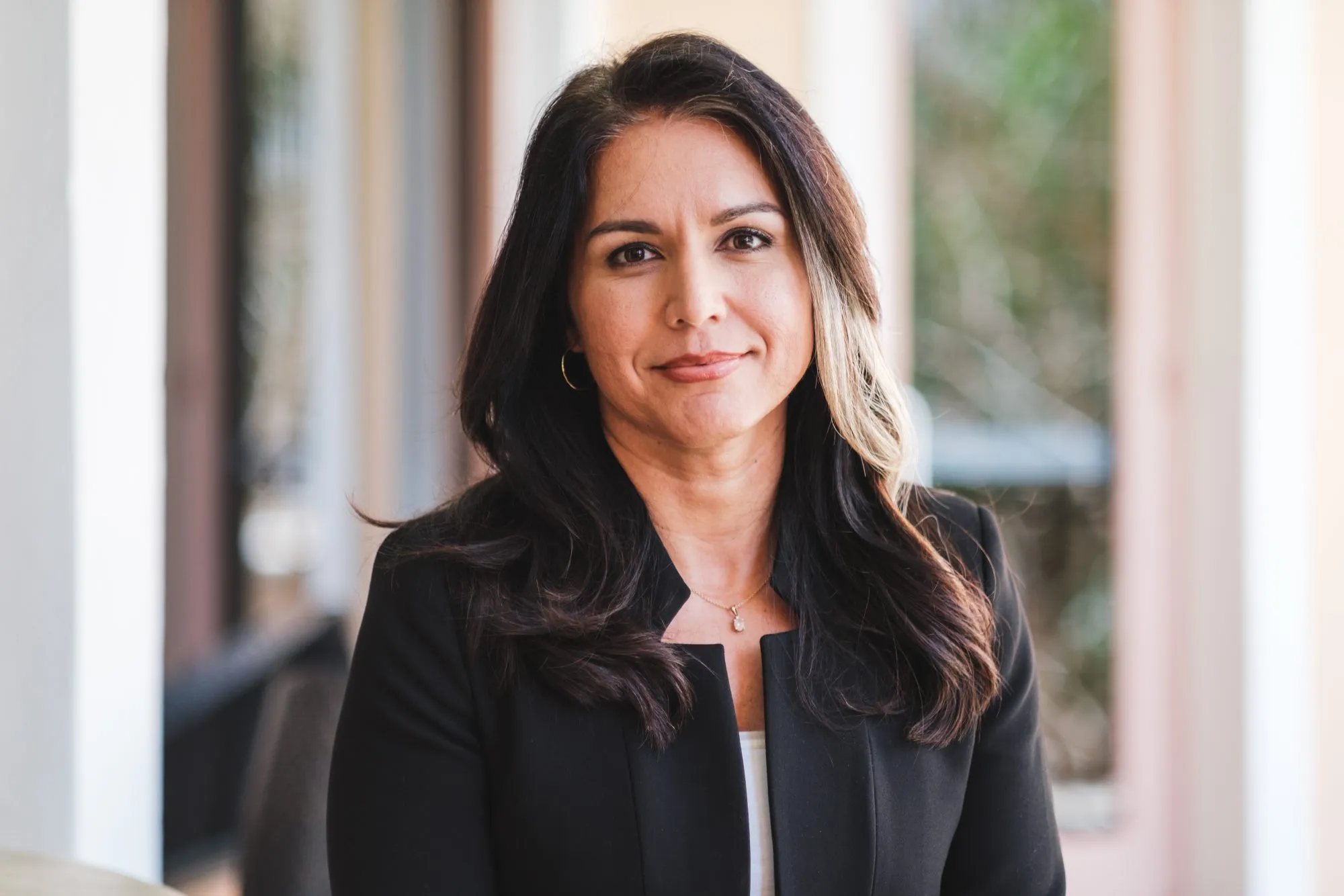
Tulsi Gabbard is a significant figure in American politics, known for her unique stance on various issues and her diverse background as a veteran and former U.S. Representative. Her influence on the political discourse has been notable, especially in the context of the evolving Democratic Party and the broader American political landscape. Gabbard’s viewpoints on foreign policy, domestic issues, and her willingness to break from party norms make her a compelling subject of discussion.
Background and Political Career
Born on April 12, 1981, in American Samoa, Gabbard began her political career at a young age. She served in the Hawaii State Legislature and later as a major in the Hawaii Army National Guard. Gabbard gained national attention when she became the first Hindu elected to the U.S. Congress and the youngest woman ever to serve there. During her time in Congress from 2013 to 2021, she sponsored several noteworthy bills and was particularly vocal about veteran affairs, health care reform, and climate change.
Presidential Campaign and Key Policies
Gabbard launched her presidential campaign in 2019, positioning herself as a progressive candidate focused on issues like universal healthcare, criminal justice reform, and reducing military intervention overseas. Her campaign aimed to appeal to a broad spectrum of voters, often emphasizing the need for unity and bipartisan cooperation. Notably, her foreign policy stance, advocating for a more restrained U.S. military presence globally, garnered both support and criticism.
Post-Congress Activities and Future Prospects
After concluding her congressional term, Gabbard has remained active in political discussions through media appearances and public speaking. In recent months, she has expressed concerns over the Democratic Party’s direction, advocating for a return to the core values of service and representation. Gabbard’s willingness to voice her perspectives, even when they contradict mainstream party views, keeps her in the spotlight as a political commentator and activist.
Conclusion
Tulsi Gabbard’s journey through the political landscape underscores the importance of diverse voices in shaping public policy and public opinion. Whether one agrees with her views or not, her presence in the political arena prompts essential discussions about foreign policy, party identity, and the future of American governance. As Gabbard continues to engage with the public and influential platforms, she will remain a critical figure worth following for her potential to influence the political discourse in the years to come.