









Introduction to Rome
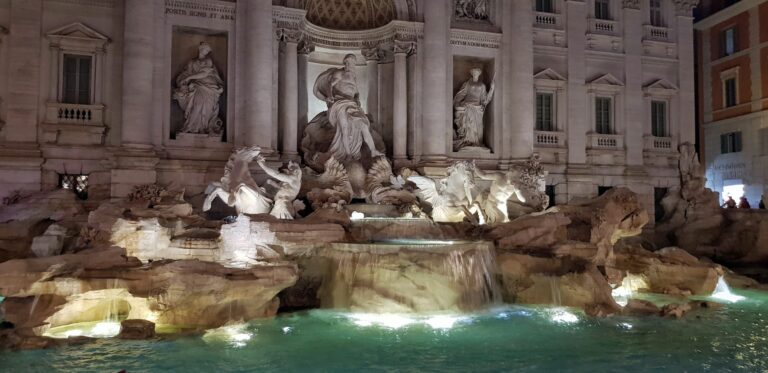
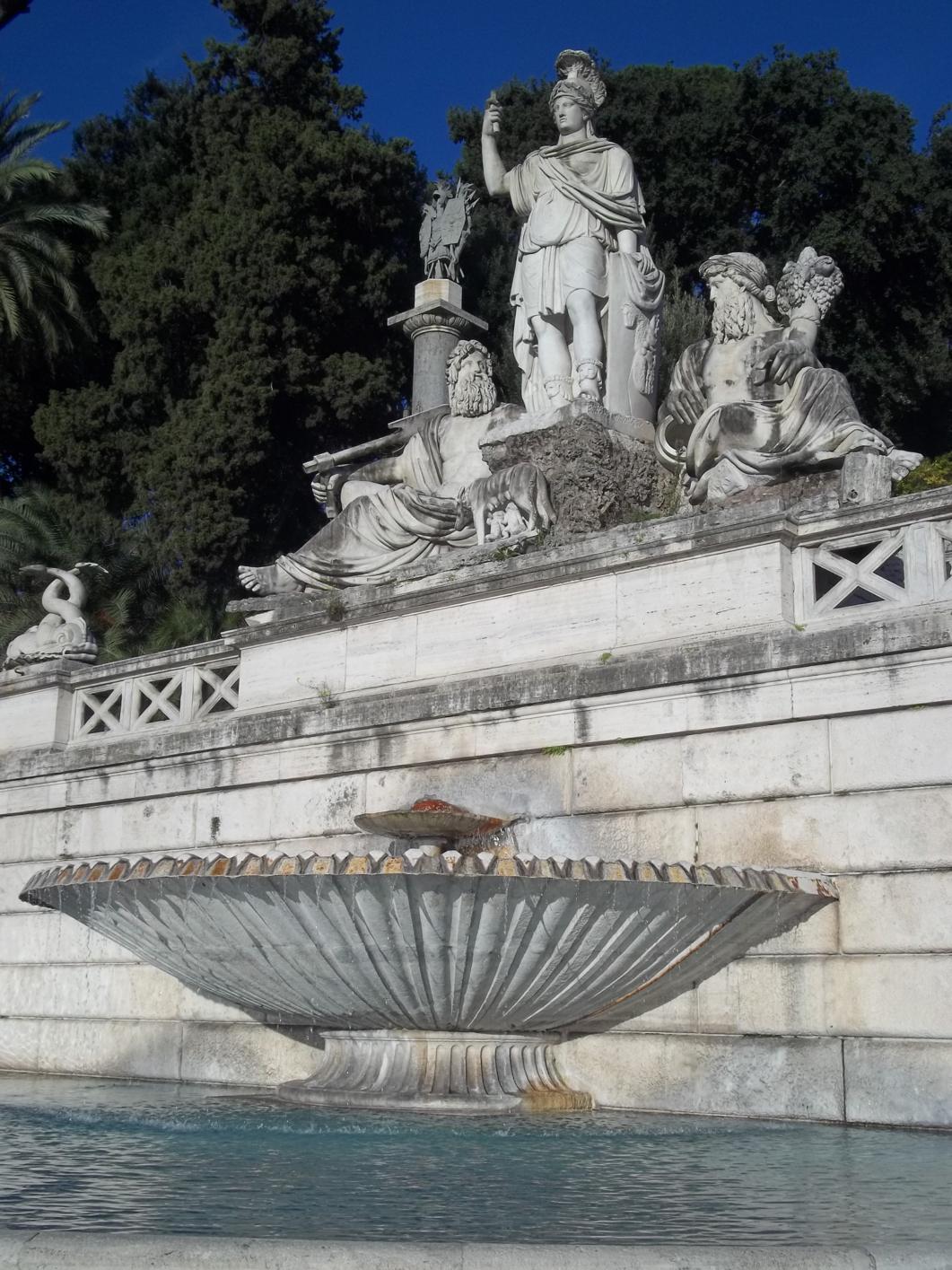
Rome, the capital city of Italy, is renowned for its rich history, stunning architecture, and cultural significance. As one of the oldest continuously inhabited cities in Europe, Rome is often referred to as the ‘Eternal City’. Its historical and contemporary relevance draws millions of visitors each year, making it a vital centre for tourism and education regarding ancient civilizations.
The Historical Significance
With over 2,500 years of history, Rome is steeped in historic importance. It is home to the ruins of the Roman Forum and the majestic Colosseum, landmarks that embody the engineering prowess of the ancient Romans. The Vatican City, an independent state within Rome, houses the Pope and is a treasure trove of Renaissance art including the Sistine Chapel, painted by Michelangelo. Recent archaeological discoveries continue to reshape our understanding of Roman history, such as the unearthing of ancient streets and buildings beneath the city’s modern-day facades.
Cultural Landmark Transformations
As the city evolves, so too do its cultural landmarks. The ongoing restoration projects have been pivotal in preserving the integrity of its historical sites while promoting contemporary art and culture. Events such as the Rome Film Fest showcase the city’s commitment to celebrating cinematic arts, drawing filmmakers, actors, and enthusiasts from across the world. Additionally, the city has embraced modern influences while maintaining its traditional Italian charm evident in cuisine, fashion, and lifestyle.
The Future of Rome
Looking ahead, the significance of Rome as a cultural mecca is set to grow, driven by an increasing push for sustainable tourism. Authorities aim to balance visitor experiences with conservation efforts to protect their rich heritage. Innovations such as augmented reality tours are emerging, offering visitors a unique perspective on ancient history. Furthermore, with discussions around improving infrastructure, Rome is making strides towards becoming a more accessible city for all.
Conclusion
In conclusion, Rome’s multifaceted culture and history offer endless opportunities for discovery. Its historical sites not only narrate tales of the past but also encourage dialogues about the future of heritage preservation. As tourism continues to adapt and change, the resilience and charm of Rome will undoubtedly endure, making it an essential destination for travellers and students of history alike.