









Introduction
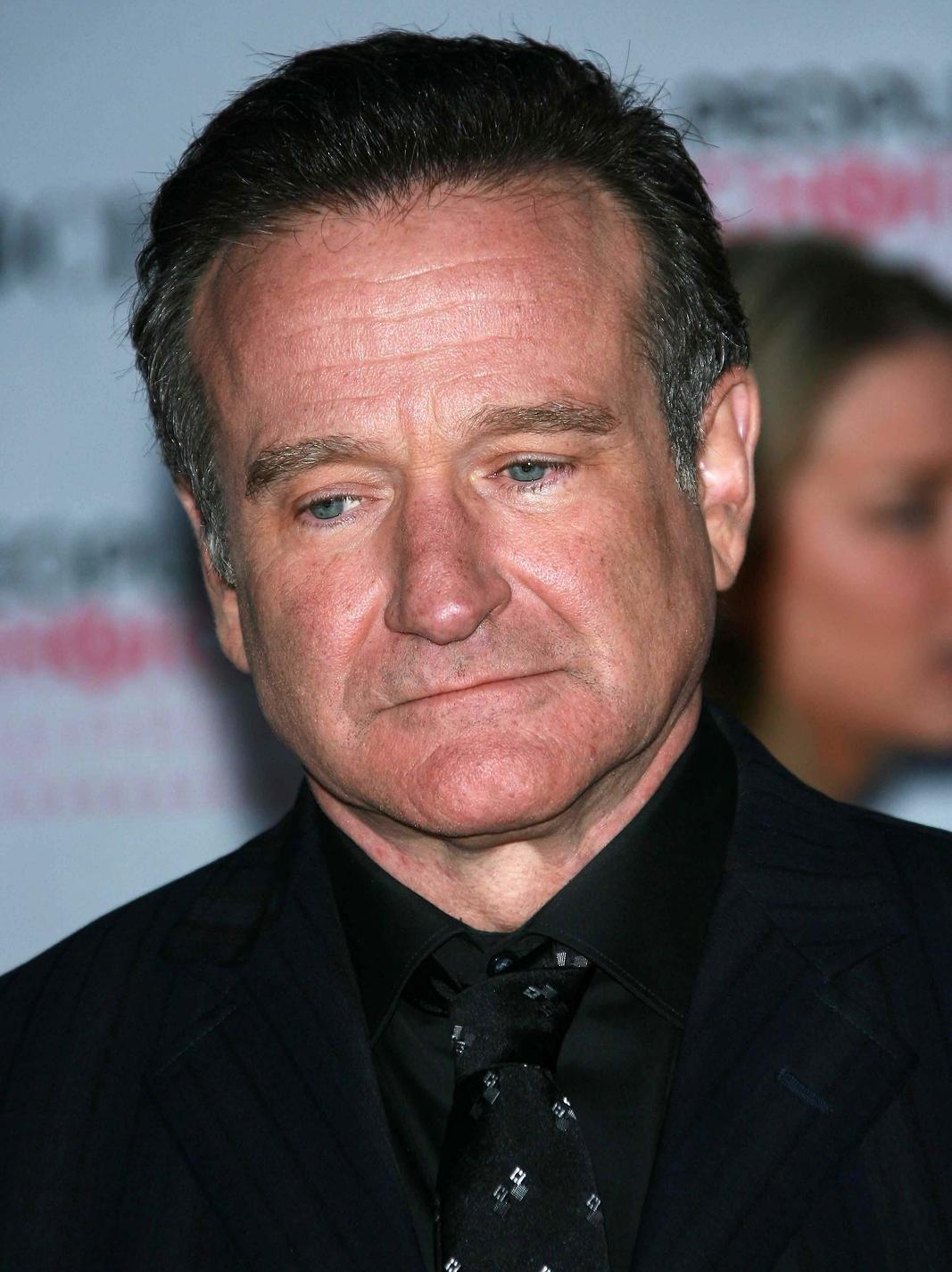
Robin Williams, a name synonymous with laughter, is one of the most beloved actors in film history. His unique blend of improvisational skills, vibrant energy, and emotional depth left an indelible mark on both audiences and the entertainment industry. As we reflect on his contributions, it’s essential to recognise the broader implications of mental health issues and the complexity of the human experience that Williams so vividly portrayed.
Life and Career
Born on July 21, 1951, in Chicago, Illinois, Robin Williams began his career as a stand-up comedian in the 1970s, famously gaining prominence on television shows like ‘Happy Days’. His breakthrough role came in the 1977 series ‘Mork & Mindy’, where his outlandish character, Mork, showcased his comedic genius. Williams transitioned to film in the 1980s, starring in iconic movies such as ‘Good Morning, Vietnam’, ‘Dead Poets Society’, and ‘Mrs. Doubtfire’. His ability to seamlessly shift between comedy and drama earned him multiple awards, including an Academy Award for Best Supporting Actor for ‘Good Will Hunting’ in 1998.
Challenges and Mental Health
Despite his success and joy he brought to millions, Williams struggled with depression and substance abuse throughout his life. His battles with mental health became public knowledge, particularly after his tragic death on August 11, 2014. An autopsy revealed that Williams had been suffering from Lewy body dementia, a degenerative brain disease that can cause severe cognitive impairment and changes in behaviour. In the years following his passing, discussions surrounding mental health have gained momentum, prompting initiatives to support mental health awareness and encourage open dialogue.
Legacy and Influence
Robin Williams’ legacy extends beyond his filmography. His humanitarian efforts, particularly in advocating for mental health awareness and supporting various charitable organisations, continue to inspire many. His unique ability to connect with audiences remains prevalent in current comedy and acting landscapes. Memorials and tributes, including the annual Robin Williams Art Fund project, strive to honour his contributions and ensure his influence endures.
Conclusion
As we remember Robin Williams, we acknowledge both the joy he brought into our lives and the importance of addressing mental health issues. His story serves as a reminder that behind the laughter, profound struggles can exist. In the coming years, let us continue to celebrate his work while advocating for mental health awareness, ensuring that Williams’ legacy inspires positive change for those who struggle.