










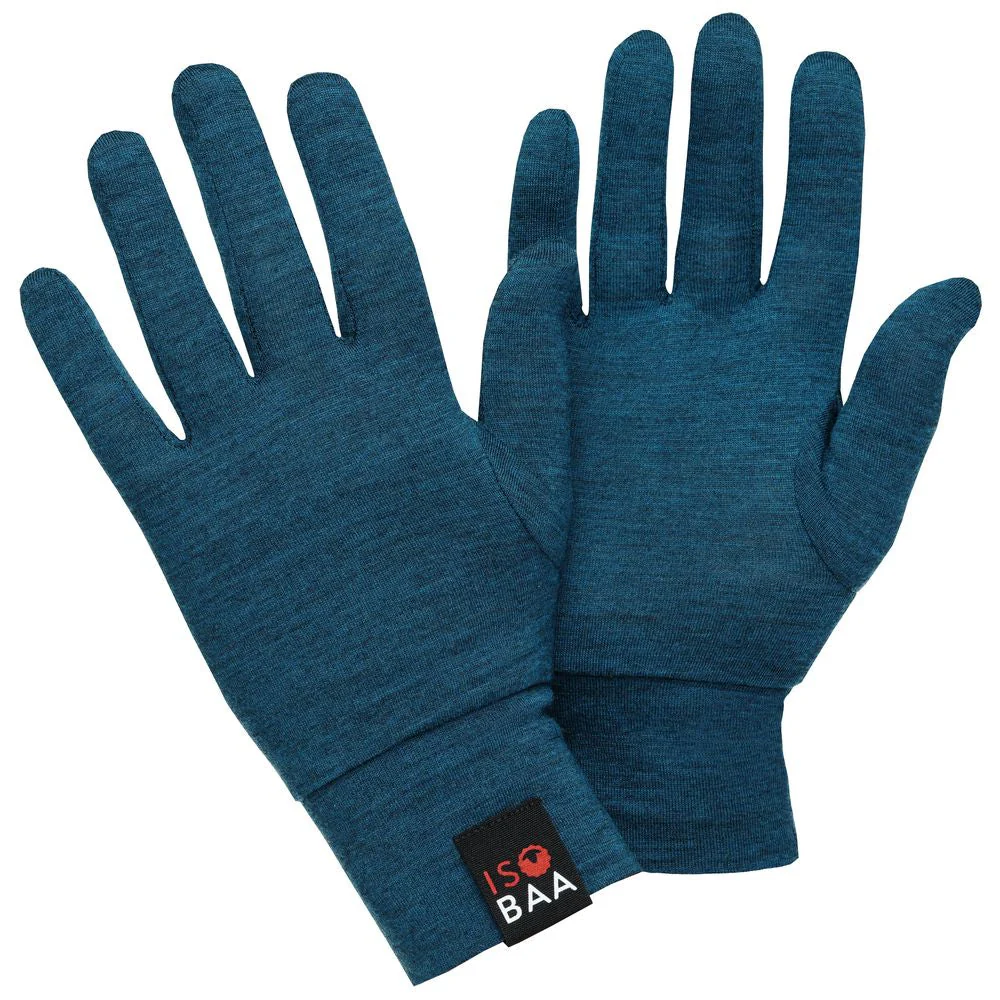
Introduction to Merino Wool
Merino wool has gained significant popularity among consumers and apparel manufacturers alike, thanks to its unique properties and versatility. Sourced from Merino sheep, this type of wool offers a blend of comfort, style, and sustainability, making it ideal for various clothing applications. As environmental concerns grow, the demand for sustainable fabrics like merino is more relevant than ever.
Properties of Merino Wool
Merino wool is renowned for its exceptional softness and breathability, distinguishing it from traditional wool types. Its fine fibres create a smooth texture, ensuring that garments feel comfortable against the skin, reducing the risk of itchiness. Furthermore, merino wool is naturally moisture-wicking, which helps to regulate temperature and keep the wearer dry. These properties make it suitable for both warm and cold climates, offering year-round versatility.
Environmental Impact and Sustainability
As consumers increasingly seek sustainable fashion choices, merino wool stands out as an environmentally friendly option. Merino sheep are typically farmed in extensive, natural grazing environments that require less intensive farming practices compared to more synthetic alternatives. Additionally, merino wool is biodegradable, and its production process has a lower carbon footprint, making it a more sustainable choice for eco-conscious consumers.
Recent Trends and Innovations
The textile industry has witnessed a surge in innovations, with brands exploring hybrid blends that incorporate merino wool into outdoor and athletic wear. Companies are also investing in research to enhance the moisture management and thermal regulation properties of merino fabrics. Recent collaborations between textile innovators and fashion brands have led to the creation of clothing that is not only functional but also stylish, appealing to a broader range of consumers.
Conclusion
In summary, merino wool has solidified its position as a preferred fabric in the fashion and outdoor industries due to its numerous benefits, including softness, breathability, and sustainability. As the trend towards ethical and sustainable fashion continues, we can anticipate even more advancements in the use of merino wool, ensuring it remains a staple in many wardrobes. Consumers are encouraged to consider merino as a go-to fabric that is both comfortable and conscientious.