









Introduction
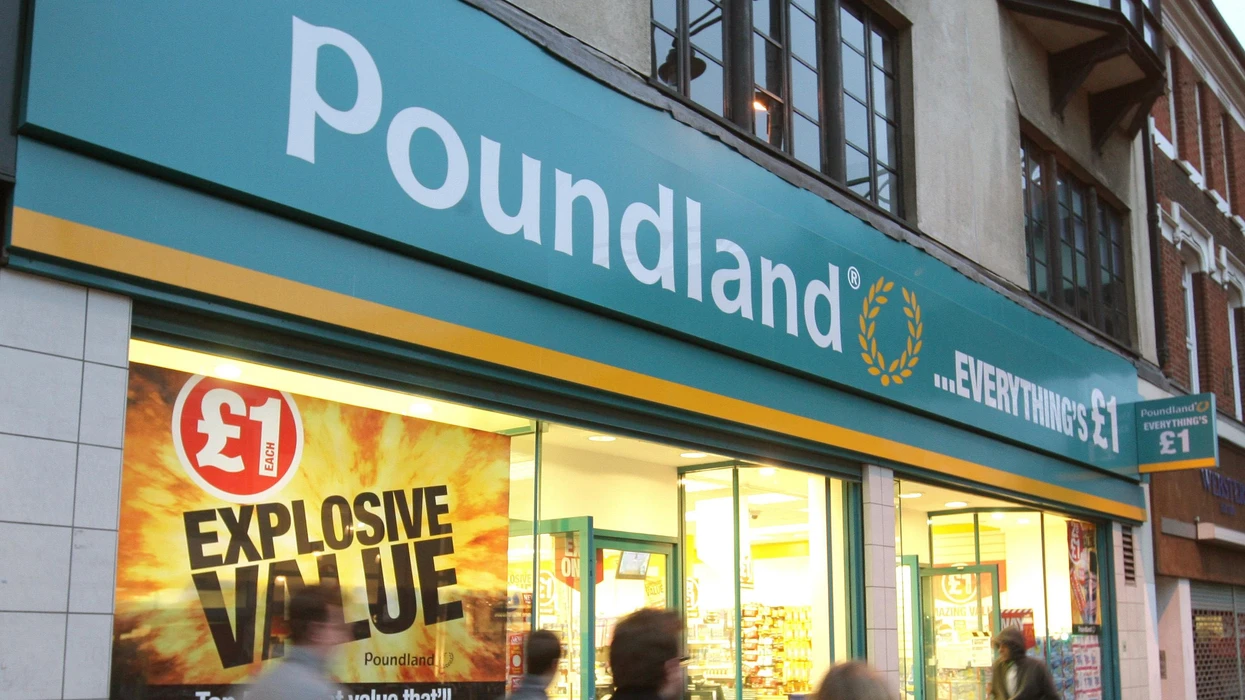
Poundland, a staple of the UK retail sector, is facing a wave of closures that are raising concerns among employees, customers, and industry analysts. The discount retailer has been a go-to option for budget-conscious shoppers, particularly during economic downturns. However, as the company responds to changing market conditions, the implications of these closures could reverberate through the economy, affecting not only jobs but also the competitive landscape of high street retailers.
Poundland’s Current Situation
In recent news, Poundland has announced the closure of several stores across key locations in the UK. The decision is attributed to a combination of factors, including rising operational costs, a shift in consumer shopping habits, and increased competition from both traditional and online retailers. Reports indicate that up to 30 stores may be affected, with significant reductions planned in regions where foot traffic has sharply declined.
Impact on Employment
The closures are expected to result in the loss of hundreds of jobs, intensifying the strain on the UK job market amidst an already challenging economic environment. Employees have expressed concerns about the future, as the retail sector has been one of the hardest hit by the pandemic and subsequent inflation. Local economies that rely heavily on these stores for employment face further instability as part-time and full-time positions diminish.
Consumer Behavior and Market Trends
As consumers increasingly turn to online shopping and discount chains evolve to meet changing preferences, traditional high street retailers, including Poundland, must adapt or face declining sales. Analysts suggest that while discount retailers generally perform well in tough economic times, the rapid shift towards omnichannel retailing means that stores must provide both in-person experience and robust online services to thrive.
Conclusion
The closures of Poundland stores highlight a broader trend in the UK retail landscape, signifying that even established chains are not immune to economic pressures and changing consumer behaviours. As these developments unfold, experts foresee a continuing trend of consolidation in the retail sector, with smaller indie shops and even larger chains being forced to rethink their business strategies to survive. For consumers and employees alike, the repercussions of these closures will be felt deeply, marking a shift that could reshape the high street as we know it.