










Introduction to Flamengo
Flamengo, officially known as Clube de Regatas do Flamengo, is one of the most prestigious and popular football clubs in Brazil. With a rich history spanning over a century, the club has become synonymous with the sport in Brazil and has a fanbase that stretches around the globe. Flamengo’s impact on football and its role as a cultural icon in Brazil underline its significance in both sports and society.
A Brief History
Founded in 1895, Flamengo initially started as a rowing club before transitioning into football in 1911. The club’s first major success came with the Campeonato Carioca title in 1914. Over the decades, Flamengo has built a legacy defined by numerous domestic and international accolades, including multiple Série A titles and Copa Libertadores triumphs. The club’s colours, red and black, and its crest have become symbols of pride for its supporters.
Recent Achievements
In recent years, Flamengo has experienced a resurgence in form, particularly under the management of Jorge Jesus in 2019, when they won the Copa Libertadores and the Campeonato Brasileiro Série A in the same year. This success catapulted the club back to the forefront of South American football and reinvigorated its passionate fanbase. The 2022 season also saw Flamengo reaching the finals of the Copa Libertadores, demonstrating their continued prowess on the continent.
Flamengo’s Cultural Impact
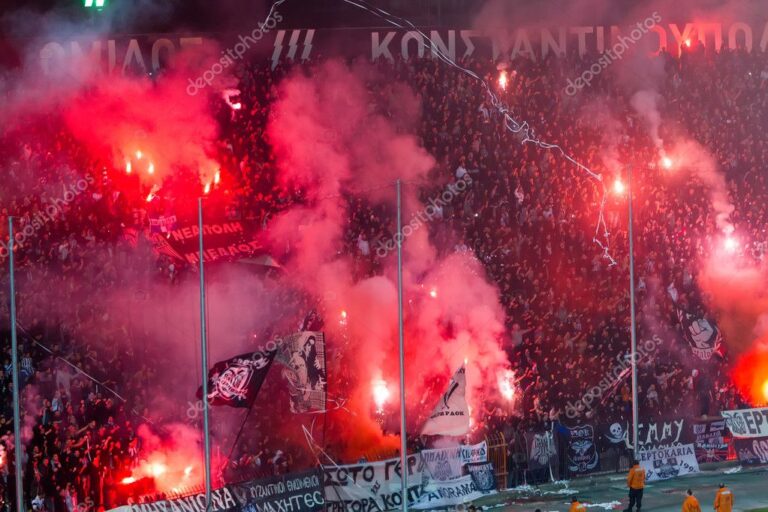
Flamengo is not just a football club; it is an integral part of Brazilian culture. The club’s matches, often filled with vibrant displays and fervent chants from fans, showcase the deep connection between the supporters and the team. Events such as the ‘Fla-Flu’ derby against Fluminense are more than just football matches; they are celebrated social events that attract thousands of loyal fans.
Future Prospects
As Flamengo continues to build on its rich heritage, the club is investing in youth development and infrastructure to ensure it remains competitive at the highest level. While the current squad is filled with talent, the club’s focus has shifted towards nurturing young players who can follow in the footsteps of legends like Zico and Romário. With ambitious objectives, Flamengo aims to maintain its status as a powerhouse in Brazilian and South American football.
Conclusion
Flamengo represents more than just a football club; it embodies the spirit of Brazilian culture and resilience. As it looks to the future, Flamengo’s commitment to excellence, community engagement, and fan loyalty promises to keep the club at the heart of Brazilian football and beyond. For fans and football enthusiasts alike, keeping an eye on Flamengo will certainly be worthwhile.