









Introduction
Petrol prices have become a focal point of economic discussions in the United Kingdom as they continue to rise steadily. Understanding the dynamics behind petrol pricing is crucial not only for drivers but also for the broader economy. Fluctuations in fuel costs influence inflation, transportation expenses, and ultimately consumer behaviour.
Current Trends in Petrol Prices
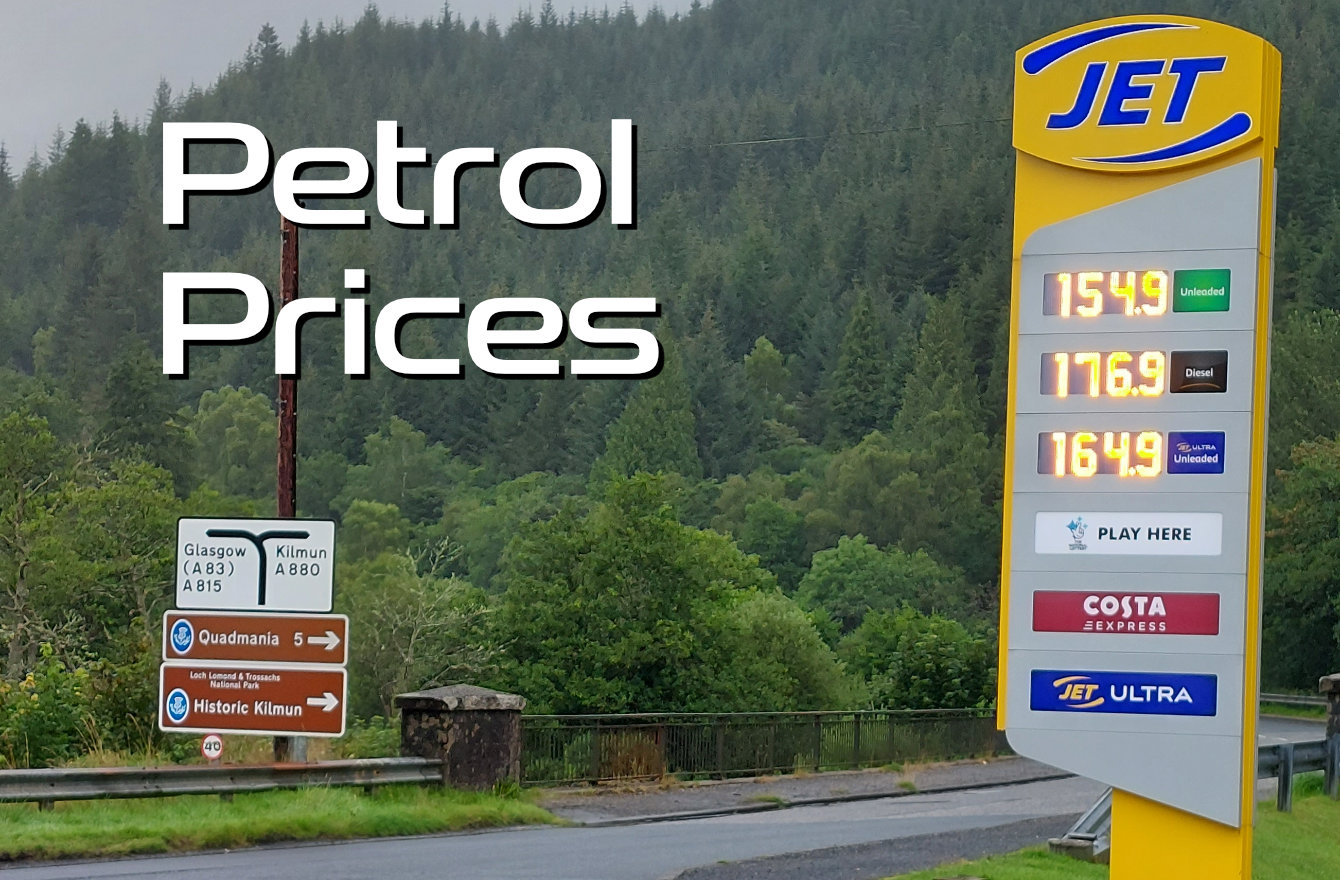
As of October 2023, average petrol prices in the UK are reported at around £1.88 per litre, marking a significant increase from previous months. The escalating prices are attributed to several key factors, including geopolitical tensions, production decisions by OPEC, and the ongoing effects of the global pandemic. Notably, the war in Ukraine has disrupted oil supply chains, causing anxiety in global markets that pushes prices higher.
Effects on the Economy and Consumers
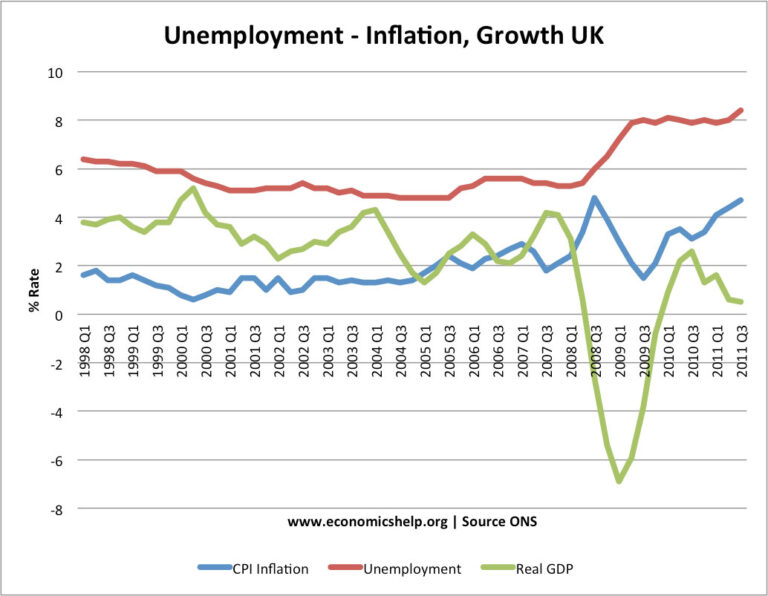
Rising petrol prices have far-reaching effects beyond the fuel station. Increased transport costs can translate into higher costs for goods and services, thereby exacerbating inflation rates, currently hovering at around 6.7%. Consumers may find their disposable income stretched thinner as they allocate more to fuel expenses, which can lead to reduced spending in other areas, impacting overall economic growth.
Government Response and Consumer Actions
In response to the rising petrol prices, the UK government is urged to take measures to alleviate the financial burden on consumers. Some proposed actions include offering fuel duty rebates or incentivising public transport usage to reduce reliance on personal vehicles. Meanwhile, consumers are adapting by seeking more economical cars, carpooling, or even exploring alternatives such as electric vehicles, which have seen a 30% increase in sales this year.
Conclusion
The persistent rise in petrol prices is a significant concern for UK consumers and the economy at large. With government support and consumer adaptation, the impact of these price hikes can be managed. However, it remains to be seen how long these trends will continue and what measures will be effective in stabilising the situation. For individuals and families, staying informed and proactive about fuel consumption choices has never been more important.