









Introduction to Question Time
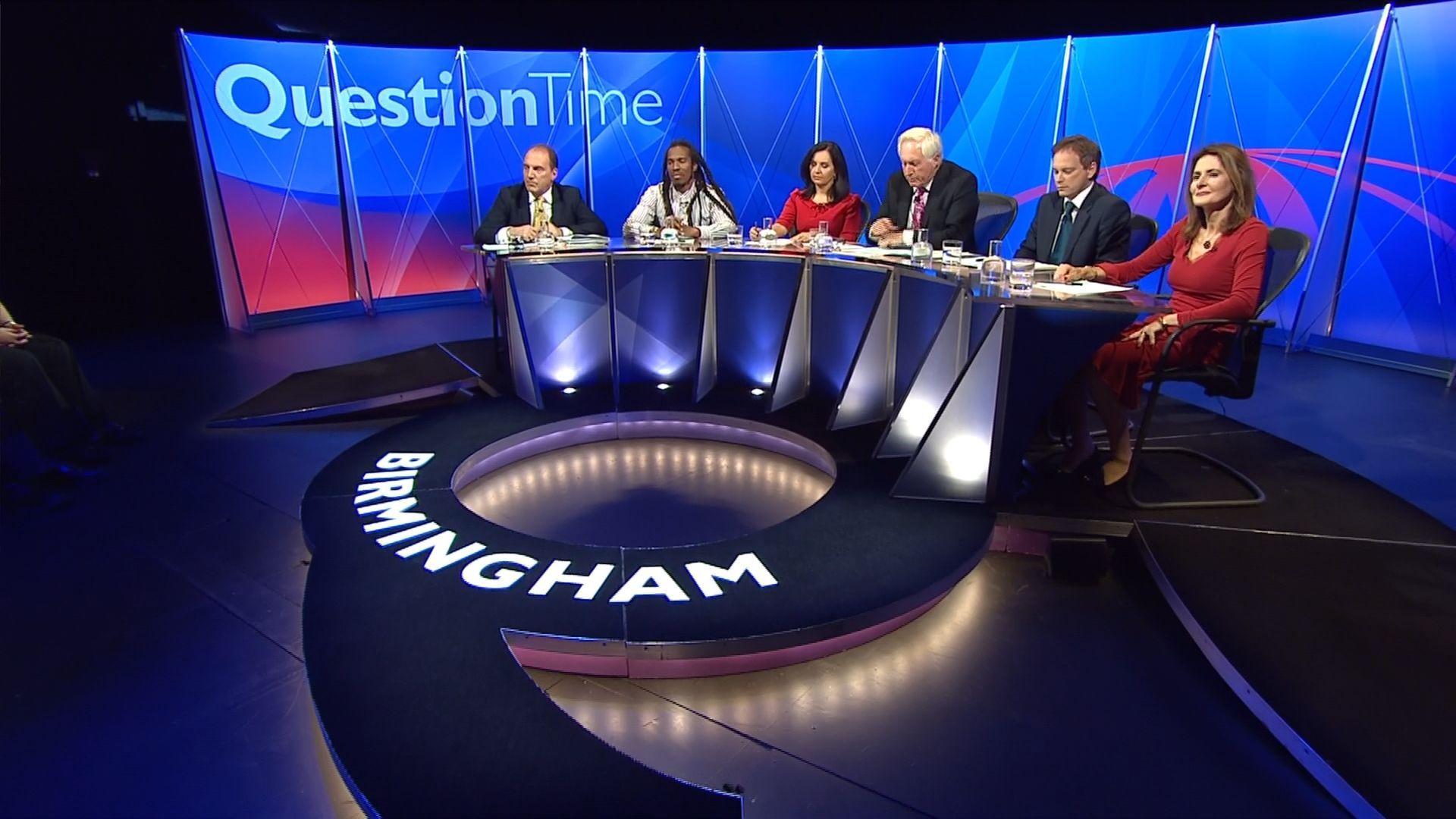
Question Time is a key component of the UK parliamentary system, offering a public platform for Members of Parliament (MPs) to question government ministers on various issues. This practice is crucial for holding the government accountable, ensuring transparency and encouraging active citizen engagement in politics. As political tensions rise and public trust in government fluctuates, the role of Question Time is becoming increasingly significant, demanding attention from both the media and the electorate.
Historical Background
The roots of Question Time can be traced back to the 18th century, evolving from a simple session where MPs could raise concerns of their constituents to an established ritual that attracts millions of viewers. Today, it provides a structured environment where ministers answer questions from MPs, usually every Wednesday during parliamentary sessions. The format is not only vital for democratic processes but has also helped evolve into a prime opportunity for political theatre and public discourse.
Recent Developments
In recent weeks, Question Time has gained prominence amid ongoing debates surrounding issues such as the economy, healthcare, and climate change. For instance, during the latest session, Prime Minister Rishi Sunak faced intense scrutiny over rising energy costs and the government’s handling of inflation. Critics argue that the responses given lacked substantial solutions, leading to greater public frustration and calling for more vigorous government action.
The Role of Media and Public Engagement
With the advent of digital media, Question Time has transcended parliamentary walls, drawing unprecedented audience engagement online. Viewership has surged, especially among younger demographics, as platforms like Twitter and YouTube allow real-time commentary and analysis. This increased engagement underscores the importance of transparency and accountability as citizens actively participate in political discussions.
Conclusion and Future Significance
As the political landscape evolves, the significance of Question Time is likely to grow. It remains an essential barometer for public opinion and government performance. Moving forward, the effectiveness of Question Time in fostering accountability will depend on the willingness of MPs to challenge the government sincerely and constructively. For voters, staying informed through these sessions is imperative to ensure that their representatives are held to account, embodying the very essence of a democratic society.