









Introduction
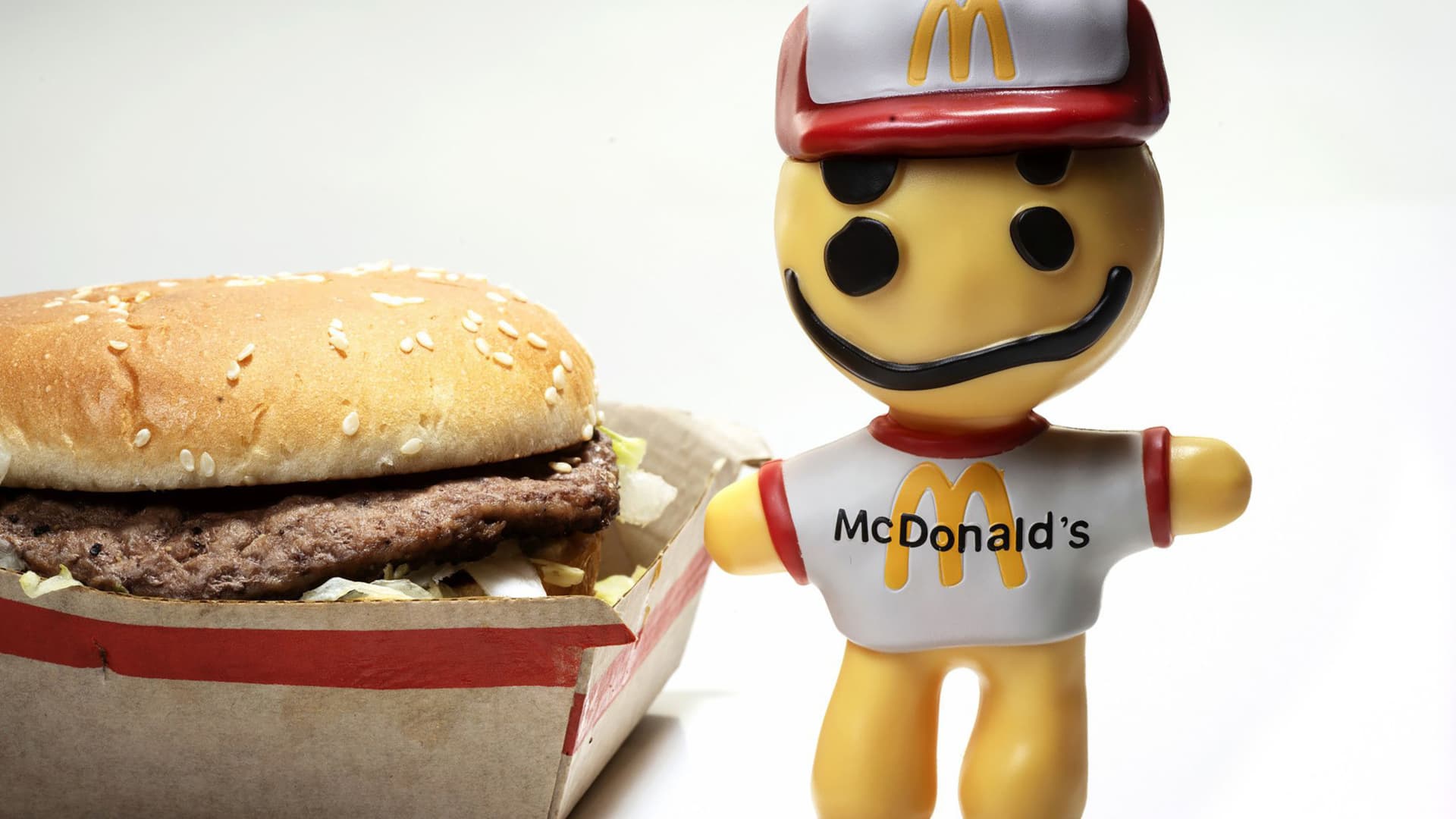
The McDonald’s Happy Meal, first introduced in 1979, has become a quintessential part of childhood dining experiences worldwide. This iconic meal, targeted at children, not only fuels their appetite but also serves as a critical marketing tool for the fast-food giant. With growing concerns over child nutrition and the effects of fast food on health, the Happy Meal’s offerings and marketing strategies are increasingly under scrutiny.
History and Development
The Happy Meal began as a simple concept in America, featuring a combination of a small burger, fries, and a drink, packaged with a toy. This innovation came at a time when McDonald’s was looking to attract families and entice children to its restaurants. Over the decades, the Happy Meal has evolved, reflecting changing tastes and health trends.
As of 2023, McDonald’s has made significant adjustments to the Happy Meal by introducing healthier options. In the UK, the meal now includes fruit or vegetable sides and offers low-fat choices. Nutritional guidelines also ensure that meals contain a cap on calories and fat, aiming to provide a balanced option for children.
Marketing Strategies
McDonald’s employs a variety of marketing strategies to promote the Happy Meal, leveraging popular culture through collaborations with movies and cartoon franchises. Recent campaigns included partnerships with Disney and the release of themed toys from blockbuster films, helping to maintain its relevance in an ever-competitive market.
Criticism and Response
Despite its popularity, the Happy Meal has faced criticism for promoting unhealthy eating habits among children. Health advocates argue that fast food contributes to rising obesity rates. In response, McDonald’s has committed to reducing the calories and fat in their meals while also increasing public awareness about balanced diets through informative campaigns.
Conclusion
The McDonald’s Happy Meal remains a staple in fast food, shaping dining habits for a generation. As the company adapts to contemporary issues surrounding health and nutrition, it is poised to continue its legacy in a way that aligns with current consumer expectations. The evolution of the Happy Meal reflects broader societal changes regarding children’s health, making it a significant case study in the intersection of food, culture, and marketing. Moving forward, McDonald’s marketing strategies will likely focus more on health-conscious choices while still engaging younger audiences with fun experiences.