









Introduction
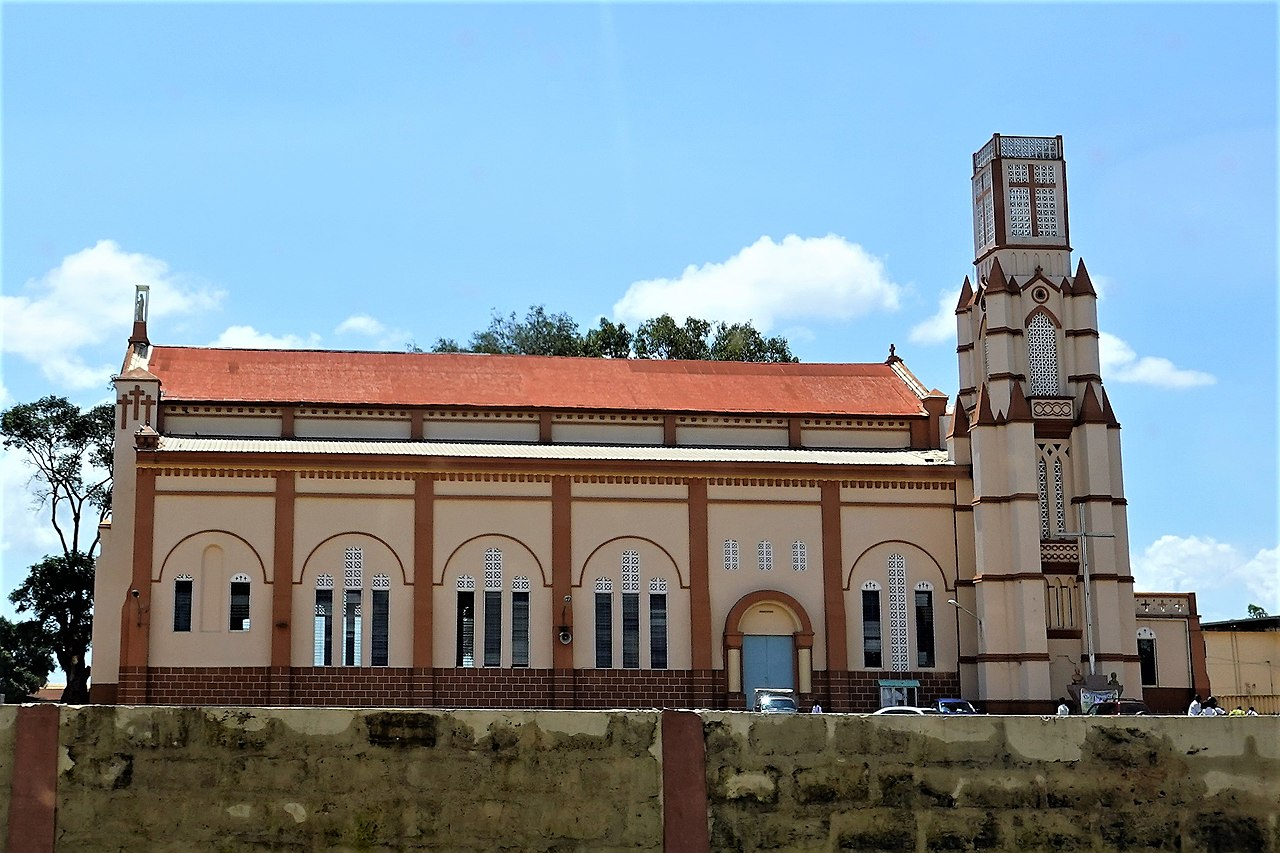
Benin, a small yet vibrant nation located in West Africa, is often overshadowed by its larger neighbours. However, this country is steeped in a rich cultural heritage and history that is crucial for understanding West African civilization. Home to the infamous Kingdom of Dahomey, Benin boasts a unique blend of traditional practices, colonial influence, and modern developments, making it an important focal point for cultural tourism and economic growth in the region.
Cultural Heritage
Benin is renowned for its artistic expressions, particularly in the form of wood carvings, textiles, and metalwork. The country’s diverse ethnic groups, including the Fon, Yoruba, and Adja, contribute to a tapestry of languages, costumes, and festivals that celebrate its unique identity. The annual Voodoo Festival held in Ouidah is a significant event that attracts hundreds of visitors, showcasing traditional rituals and the importance of Voodoo spirituality in the society.
Historical Significance
The historical significance of Benin cannot be overstated. Once a powerful kingdom known for its military prowess and economic richness, the Kingdom of Dahomey thrived from the 17th to the 19th century. The legacy of this kingdom can be explored at the Royal Palaces of Abomey, which are UNESCO World Heritage sites. These structures offer a glimpse into the past, revealing stories of royalty, bravery, and even the darker chapters of the Atlantic slave trade that affected the region.
Current Events and Developments
Recently, Benin has been making strides in promoting itself as a tourism destination, focusing on its rich history and biodiversity. The national government has been investing in infrastructure to improve accessibility to historical sites, alongside campaigns aimed at boosting eco-tourism. Furthermore, efforts to promote local artisans and crafts are gaining momentum, ensuring that Benin’s cultural heritage remains vibrant and economically viable. The nation’s political stability relative to other West African countries is also fostering an environment conducive to growth and development.
Conclusion
Benin stands as a cultural gem in West Africa, with a wealth of history and tradition that resonates well beyond its borders. As the nation moves towards greater global recognition, it is crucial for travelers and enthusiasts interested in West African culture to explore what Benin has to offer. The significance of Benin lies not only in its past but also in its aspirations for the future, making it a destination worth considering for both tourists and researchers alike.