










Introduction
The integration of technology in healthcare is reshaping the way medical professionals and patients interact. As advancements continue to emerge, understanding their importance and relevance in improving patient outcomes and healthcare delivery is paramount. The COVID-19 pandemic further accelerated the adoption of telehealth and digital health solutions, making it a pressing subject for discussion.
Main Developments in Health Technology
One of the most significant trends is the rapid growth of telemedicine, which allows healthcare providers to consult with patients remotely. According to a report by McKinsey, telehealth visits in the U.S. increased by 78 times from February 2020 to April 2020, and these numbers continue to rise as remote consultations become more accepted.
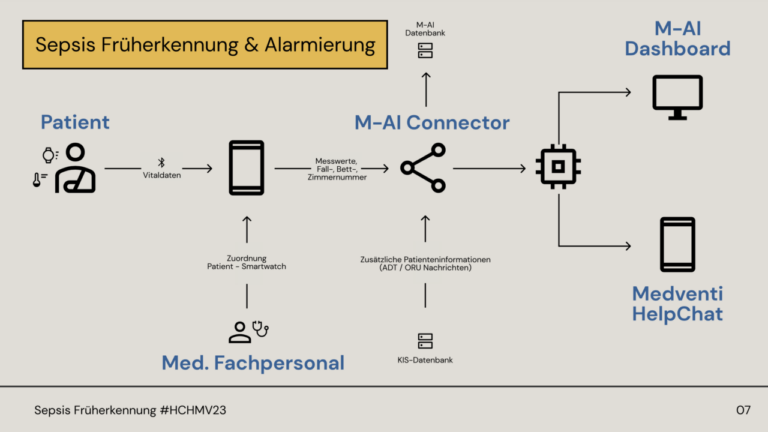
Wearable health technology has also taken centre stage, with devices like smartwatches and fitness trackers providing users with real-time health data such as heart rate, sleep patterns, and physical activity levels. A study published in the Journal of Medical Internet Research found that 30% of patients using wearable technology are more likely to engage in preventive health measures, showcasing their potential to improve overall health management.
Furthermore, artificial intelligence (AI) is revolutionising the diagnostics process. Companies are developing AI systems capable of interpreting medical images and predicting patient outcomes with remarkable accuracy. A recent study from the Stanford University School of Medicine indicated that an AI algorithm could identify pneumonia on chest X-rays more accurately than human radiologists in some cases, supporting the argument for its increased integration into clinical settings.
Challenges and Considerations
Despite the benefits, the rise of health technology also presents challenges such as data privacy concerns and access disparities. Ensuring patient data is secure is crucial, and healthcare providers must navigate regulations such as the General Data Protection Regulation (GDPR) in the United Kingdom, which imposes strict rules on how personal health information is managed. Moreover, while technology can improve access to care, there remains a significant digital divide; approximately 1 in 5 adults in the UK lack basic digital skills, which can limit their ability to utilise health technology.
Conclusion
In summary, the impact of technology on healthcare is undeniable, with telemedicine, wearable devices, and AI leading the charge towards innovative patient care. However, it is crucial that the healthcare industry addresses the challenges associated with these technologies to ensure equitable access and protection of patient information. As we look ahead, continued advancements in health technology hold the potential to further transform healthcare, making it more efficient and patient-centered.