








Introduction
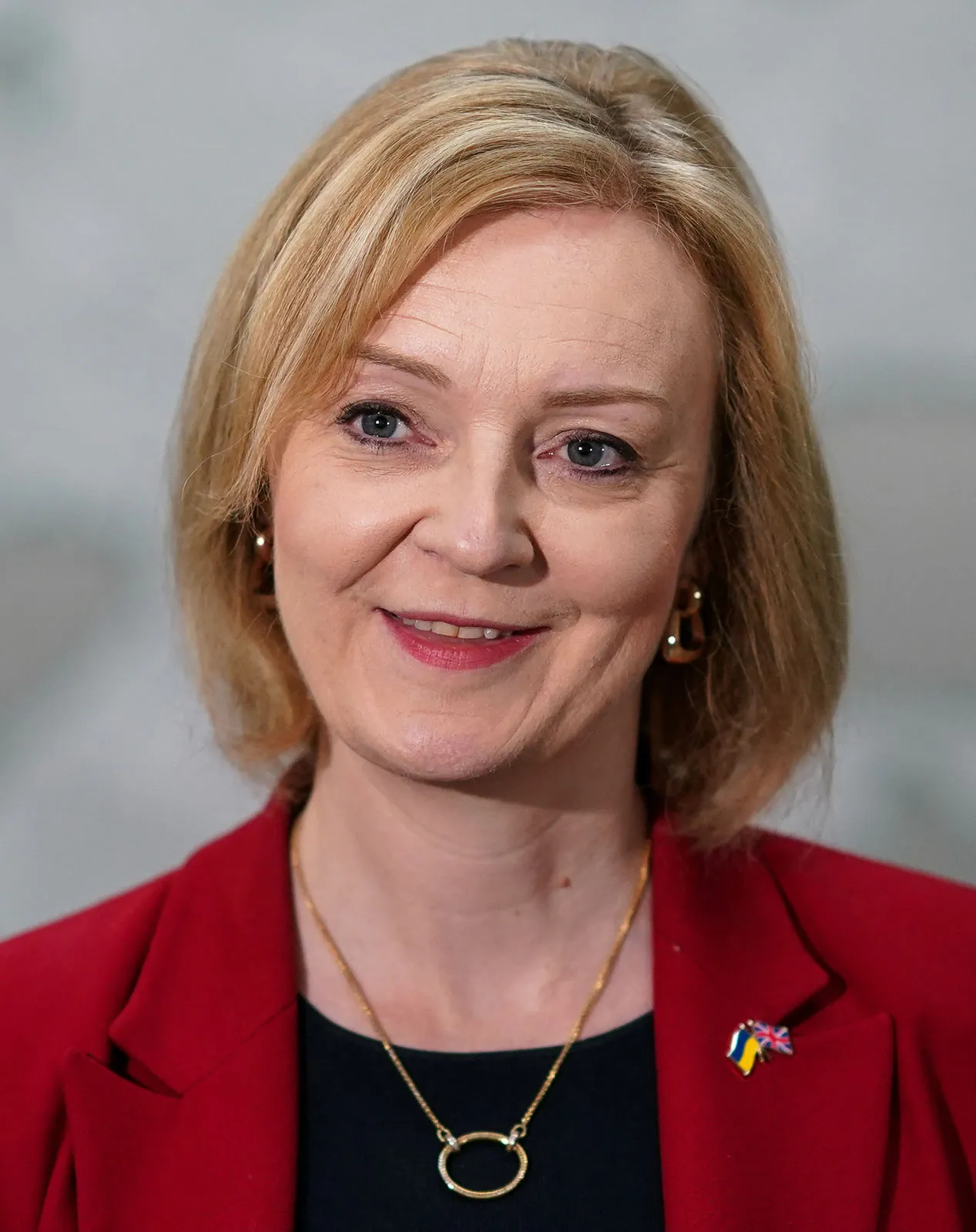
Liz Truss, a prominent figure in British politics, has garnered attention both for her policies and the whirlwind of events surrounding her brief premiership. Her term as Prime Minister lasted just 49 days, marking her as one of the shortest-serving leaders in UK history. Understanding her political journey is essential for comprehending the current landscape of the Conservative Party and British politics as a whole.
Background and Career
Born in 1975 in Oxford, Truss studied at Merton College, Oxford, before embarking on a career that included roles as a commercial manager and an economic advisor. She entered politics as the Member of Parliament (MP) for South West Norfolk in 2010. Truss quickly established herself within the Conservative Party, holding various cabinet positions, including Secretary of State for the Environment, Food and Rural Affairs and Minister for Women and Equalities.
Becoming Prime Minister
Truss became the leader of the Conservative Party after winning the leadership election in September 2022, succeeding Boris Johnson. The party’s internal crisis and the national economy’s challenges, particularly regarding inflation and energy prices, set a tumultuous stage for her administration.
Policy Decisions and Impact
Upon taking office, Truss announced a controversial plan involving significant tax cuts aimed at stimulating the economy. However, the proposed policies sparked immediate backlash, leading to market turmoil and escalating borrowing costs for the government. Critics argued that her economic strategies disproportionately benefited the wealthy while neglecting the working class struggling with rising costs.
Resignation and Aftermath
After facing unprecedented defiance from both the public and her party members, Truss announced her resignation on October 20, 2022, just days after implementing her economic strategies. Her departure highlighted deep divisions within the Conservative Party and raised questions about their future direction.
Conclusion
Truss’s brief time as Prime Minister serves as a significant case study in political strategy, the fragility of leadership, and the complexities of governance in challenging economic times. As the Conservative Party seeks to rebuild and redefine its core values and policies, lessons learned from Truss’s tenure will undoubtedly play a vital role in shaping its future. Observers speculate on how the party will adapt and what new leaders might emerge in the wake of her short-lived government.