








Introduction
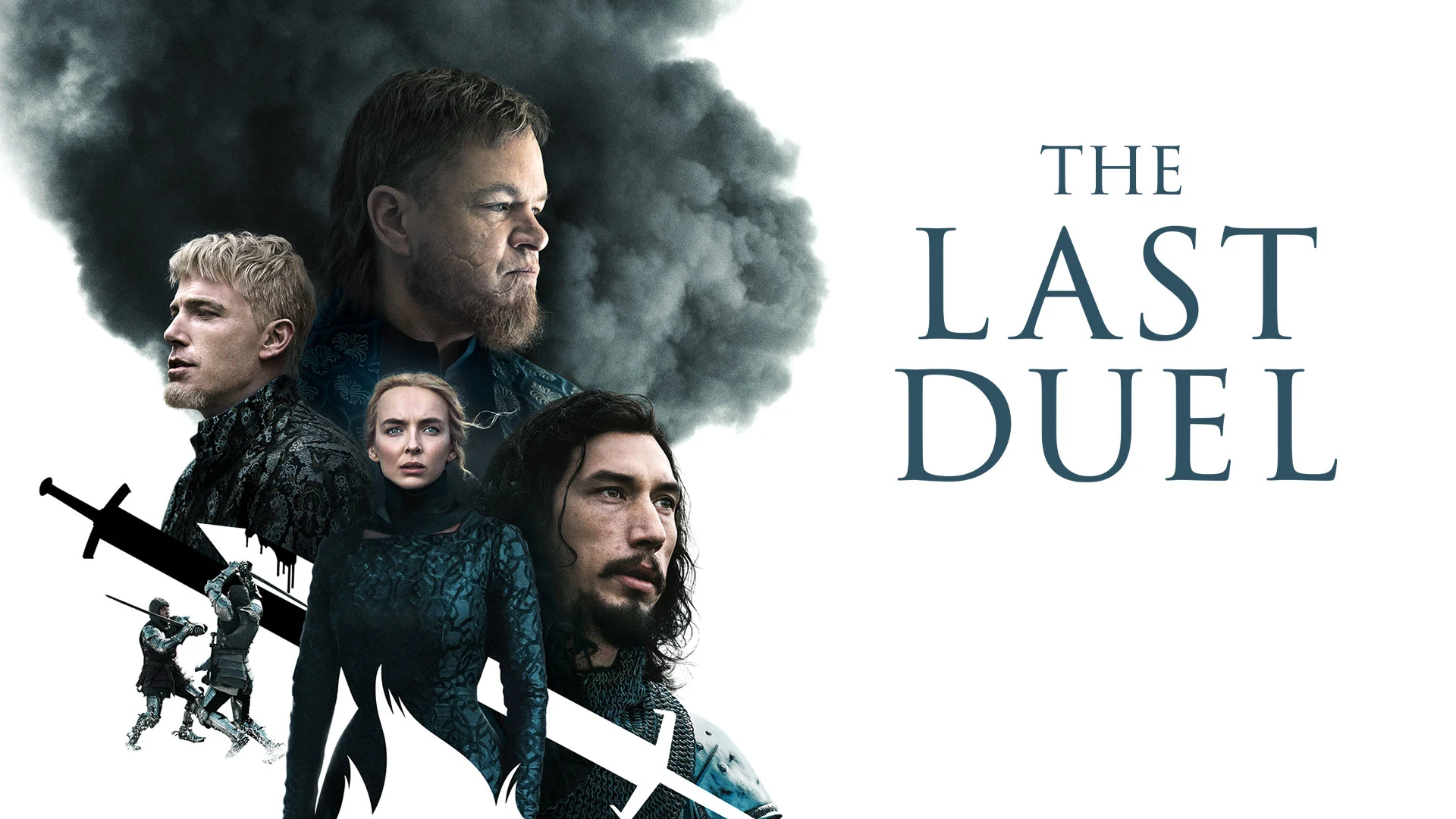
‘The Last Duel’ is a 2021 historical drama directed by Ridley Scott, based on the true events surrounding the last judicial duel in France that took place in 1386. The film, featuring Matt Damon, Adam Driver, and Jodie Comer, has sparked discussions around the themes of chivalry, justice, and the role of women in a medieval patriarchal society. Its exploration of these themes underscores the relevance of historical narratives in contemporary discourse, particularly regarding gender rights and the nature of truth.
Details of the Film
The narrative unfolds through three perspectives, each re-examining the same events leading to the duel between Sir Jean de Carrouges (Damon) and Jacques Le Gris (Driver). The core of the story revolves around Carrouges’ wife, Marguerite (Comer), who accuses Le Gris of rape, leading to an unprecedented confrontation resolved through combat. This framing illustrates differing understandings of honour and truth, forcing viewers to confront the biases that shape narratives and perceptions of justice.
‘The Last Duel’ received significant attention for its authenticity in depicting the medieval era, along with its commitment to portraying the consequential issues faced by women then and now. Critics have praised the film for its detailed production design and performances, particularly Comer’s role, which highlights the limited agency women had during the time period.
Current Relevance
The film premiered at the Venice Film Festival in September 2021 and subsequently released in cinemas, where it received mixed reviews but enjoyed critical acclaim for its ambitious storytelling and cinematography. As contemporary society grapples with issues surrounding consent and justice, the themes explored in ‘The Last Duel’ resonate strongly. It serves as a reminder of how the past continues to inform present-day conversations on violence, masculinity, and the complexities of truth.
Conclusion
In conclusion, ‘The Last Duel’ not only brings to light a lesser-known historical event but also challenges viewers to reflect on the societal structures that have persisted across centuries. Its depiction of a struggle for truth and justice highlights the ongoing relevancy of these issues, as individuals and communities strive for a more equitable society. As audiences engage with such narratives, the importance of understanding history as a means to address contemporary challenges becomes even clearer.