










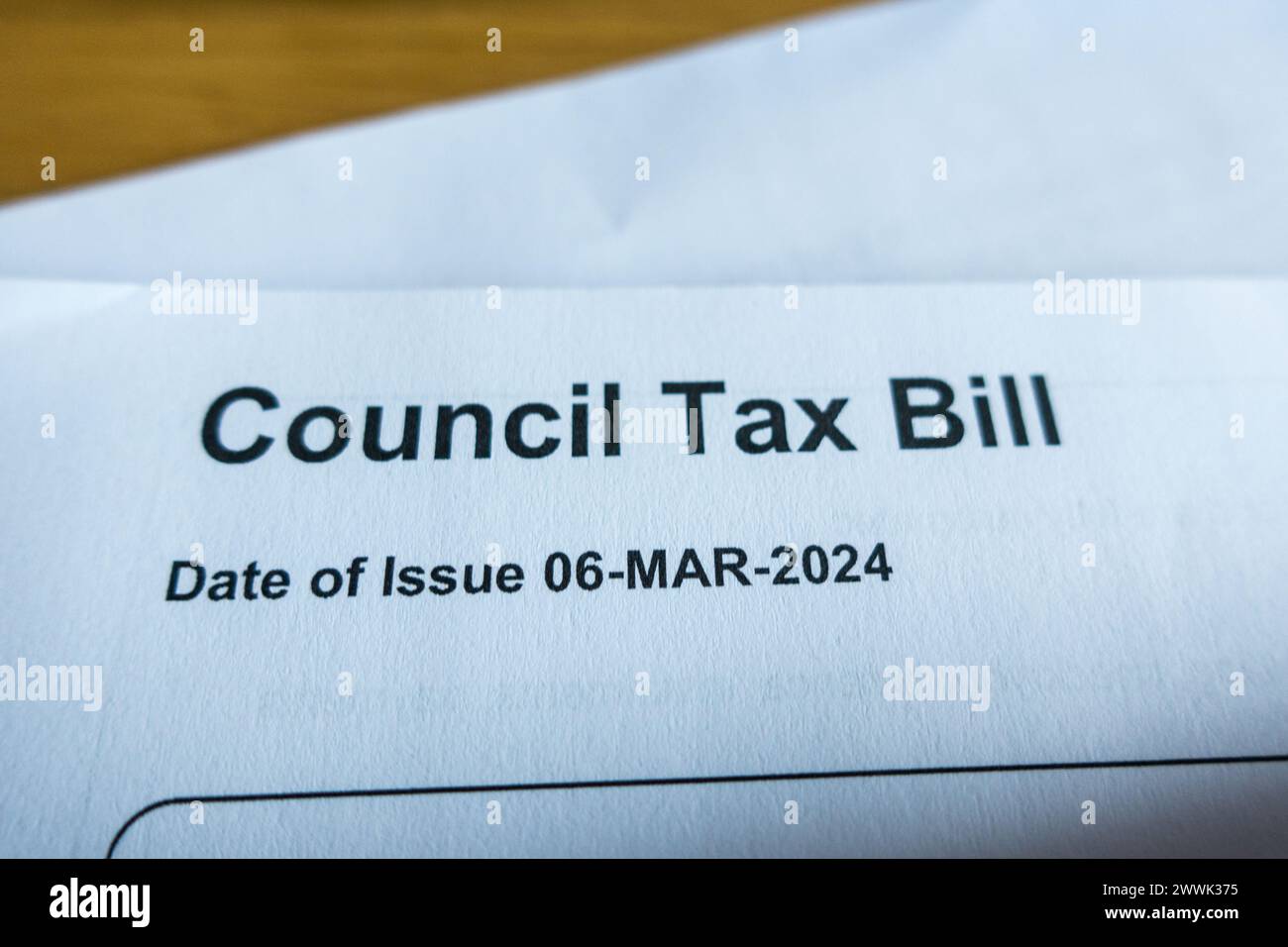
Introduction to Council Tax
Council tax is a vital source of funding for local authorities in the UK, helping to pay for essential services such as education, social care, and waste collection. With recent changes in legislation and financial pressures resulting from inflation and the ongoing effects of the pandemic, understanding the latest developments regarding council tax has become more important than ever for residents.
Recent Changes and Their Implications
In 2023, many local councils are adjusting their tax rates in response to increased demand for services and rising costs. For the financial year 2023-2024, a survey conducted by the Local Government Association (LGA) found that nearly 75% of councils in England plan to raise their council tax by the maximum allowed. This is often set at 5% in areas with social care responsibilities.
Such increases are aimed at addressing budget shortfalls, ensuring that services can continue to meet the needs of residents. However, these changes have raised concerns among households already struggling with the high cost of living. Many local councils are already seeing backlash from residents, particularly in areas with limited wage growth.
Support for Residents
In recognition of the financial strain these increases may impose, some councils are implementing support measures. Various local authorities are offering council tax reduction schemes, exemptions, and discounts for low-income families and vulnerable individuals. For example, discretionary hardship funds and payment flexibility are being made available to help those in severe financial distress.
Future Trends and Expectations
Experts predict that trends in council tax will continue to evolve as councils navigate their financial landscapes. Increased costs associated with delivering services and potential changes in government funding mean that residents must remain alert to further changes on the horizon. It’s expected that councils will continue to communicate the rationale behind their tax decisions clearly, aiming to mitigate resident dissatisfaction.
Conclusion
As councils across the UK adapt to new economic realities, understanding council tax is crucial for all residents. Staying informed about local tax rates, available support, and future changes can help individuals better plan their finances in these uncertain times. It is prudent for residents to engage with their local councils, voice their concerns, and seek assistance if needed, ensuring that their perspectives are considered in discussions about local taxation.