










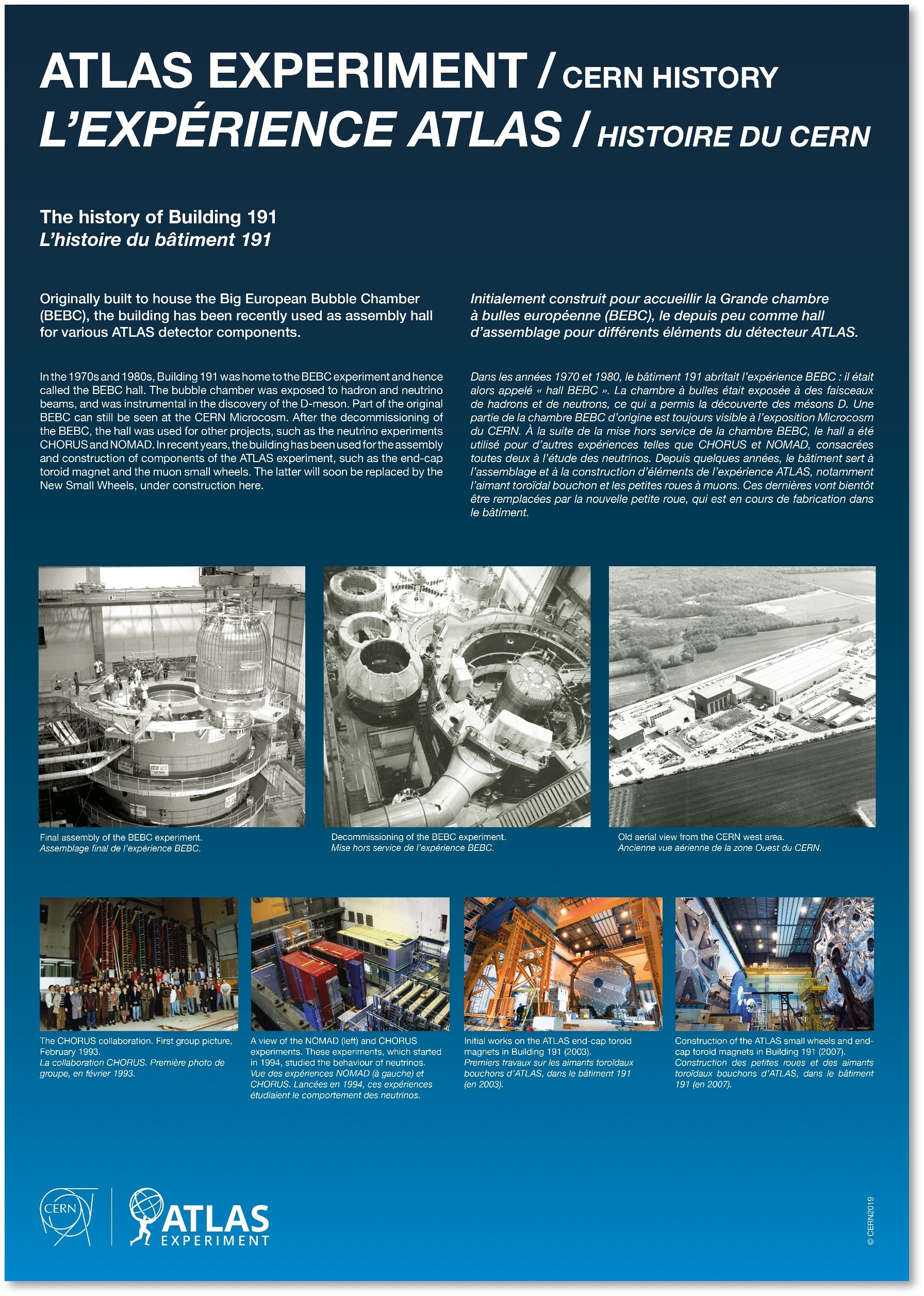
Introduction to CERN
The European Organization for Nuclear Research, commonly known as CERN, has long been at the forefront of particle physics research. Established in 1954, it is located near Geneva, Switzerland, and is home to the world’s largest and most powerful particle accelerator, the Large Hadron Collider (LHC). CERN’s work is critical for understanding the fundamental forces of nature, how particles interact, and the laws that govern our universe. With recent advancements and continued research, CERN remains a pivotal institution in advancing scientific knowledge.
Recent Developments at CERN
In 2023, CERN has made headlines with its plans to upgrade the LHC, preparing for a new data-taking run set to commence in 2025. The upcoming run, known as the High-Luminosity LHC, is aimed at increasing the collider’s luminosity by a factor of ten, which will allow scientists to produce more collision data for analysis. This upgrade is expected to deepen our understanding of particles such as the Higgs boson and investigate unanswered questions around dark matter and supersymmetry.
Moreover, CERN has been actively engaging in international collaborations, exemplified by the recent establishment of the CERN Quantum Initiative, which aims to explore the intersection of particle physics and quantum technology. This initiative highlights the growing interconnectivity of various fields and the potential breakthroughs awaiting scientists.
The Impact of CERN’s Research
The implications of CERN’s research extend far beyond basic science. Its findings have significant applications in fields such as medicine, telecommunications, and computing. For instance, the development of the World Wide Web at CERN revolutionised how information is shared globally, while advancements in medical imaging technology stem from particle detection research.
CERN also plays a crucial role in training the next generation of scientists and fostering collaboration among researchers worldwide. Its diverse team comprises over 17,000 physicists and engineers from 100 countries, creating a rich environment for innovation and discovery.
Conclusion: The Future of CERN and Particle Physics
As CERN approaches its next phase of research and upgrades, the significance of its work becomes increasingly evident. The continued pursuit of knowledge within particle physics promises to break new ground in our understanding of the universe, potentially answering some of humanity’s oldest questions about existence itself. For readers looking to comprehend the fundamental nature of reality, following CERN’s developments will offer invaluable insights into the workings of the cosmos.