








Introduction
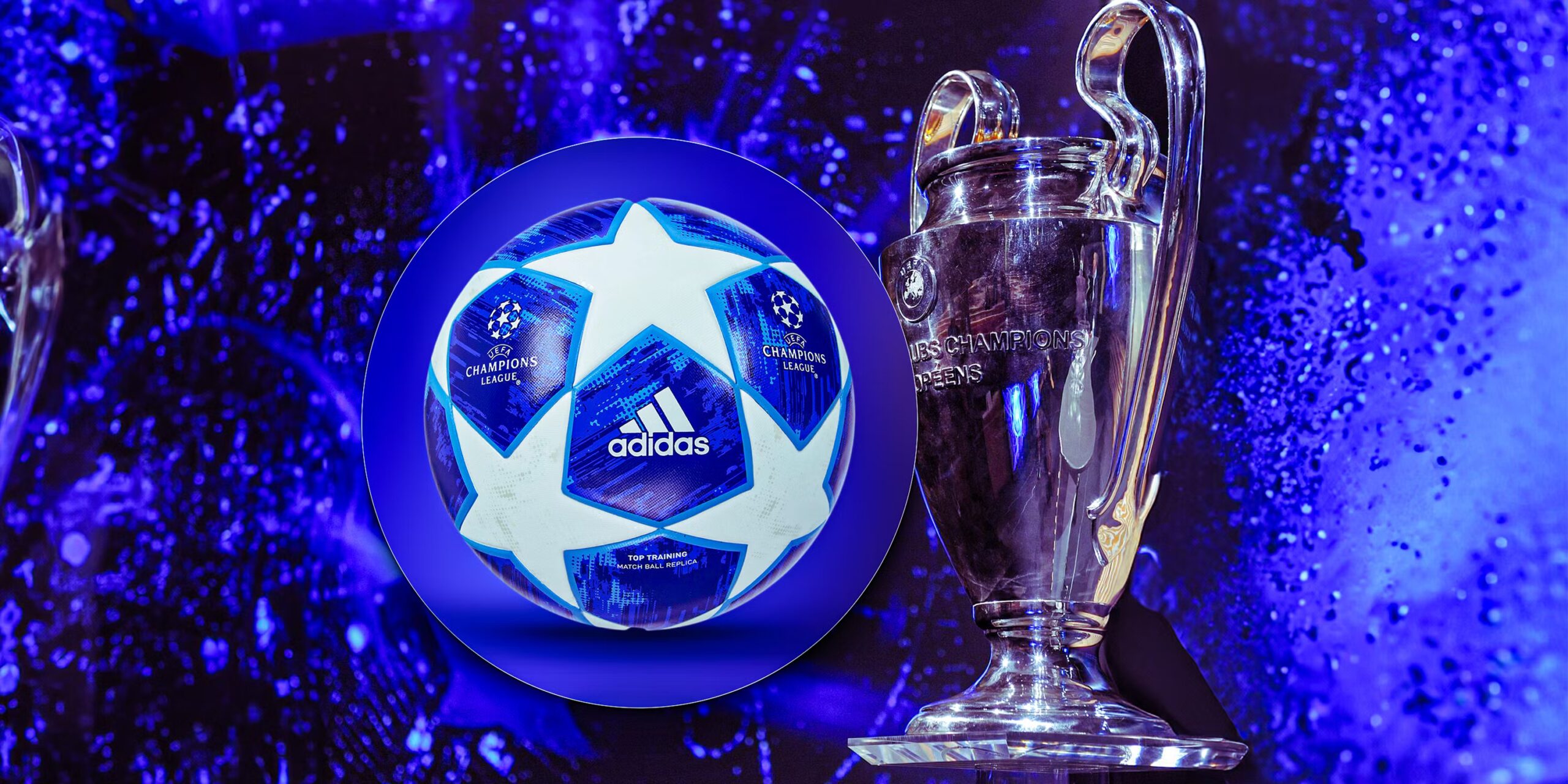
The UEFA Champions League is one of the most prestigious football tournaments in the world, featuring top clubs from various national leagues. The format of the Champions League has evolved over time, adapting to the growing popularity of football and the demand for more competitive matches. In 2023, significant changes were introduced to the tournament’s structure, promising to enhance the excitement and engagement of fans and clubs alike.
Overview of the Changes
The 2023 Champions League format has shifted from the traditional group stage to a new league system. This change allows teams to play more matches against a diverse range of opponents. Instead of the previous setup of four groups of four teams, the tournament now features a single league of 36 teams. Each team will compete in eight matches, facing opponents of varying rankings, which aim to ensure higher competition levels and more captivating matchups.
The Rationale Behind the New Format
This new format is designed with multiple objectives in mind. Firstly, it aims to increase the number of matches played, thereby providing more revenue opportunities for clubs and broadcasting networks. Secondly, the revised system attempts to minimise the predictability of matchups which sometimes occurred in the earlier group stage design. The hope is that this change will lead to a series of thrilling games and unpredictably exciting outcomes that keep fans engaged throughout the tournament.
The Impact on Clubs and Fans
For clubs, the new format means a greater chance to engage with international audiences as they face a wider array of competition from various leagues. This will provide opportunities for local clubs to face well-known teams, thus helping in brand expansion on an international level. For fans, while the expanded format may come with increased match congestion, it guarantees that they will witness more exciting and unpredictable fixtures throughout the tournament.
Conclusion
The new Champions League format for 2023 introduces a bold reimagining of Europe’s premier club tournament. With an emphasis on increased match frequency, diversified competition, and elevated engagement for both clubs and fans, this revamped format could potentially reshape the football landscape. Moving forward, it will be essential to monitor the success of these changes and assess how they impact the tournament’s overall integrity and excitement. The Champions League continues to evolve, responding proactively to the sport’s changing dynamics and global demands.