Introduction
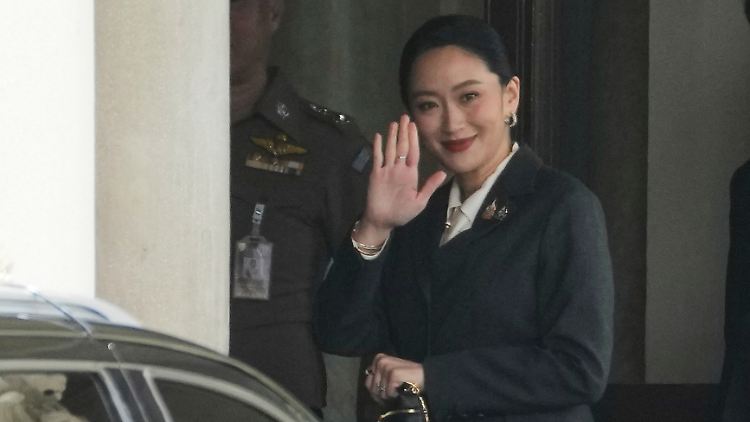
Paetongtarn Shinawatra, the daughter of former Thai Prime Minister Thaksin Shinawatra, has emerged as a pivotal figure in Thailand’s political arena. Her rise comes at a time of heightened political tensions and calls for reform, making her relevance in the ongoing discourse undeniable. As Thailand approaches the next election cycle, understanding Paetongtarn’s influence and position is crucial for both political analysts and the electorate.
Background and Early Life
Born on June 21, 1986, in Bangkok, Paetongtarn is the youngest child of Thaksin Shinawatra and his ex-wife, Potjamanna Shinawatra. She was educated at prestigious institutions, including the London School of Economics, where she obtained a degree in management. Upon returning to Thailand, she became increasingly involved in the family’s political legacy, which includes her father’s controversial prime ministership and subsequent exile.
Political Career and Current Initiatives
In 2020, Paetongtarn was formally introduced as the head of the Pheu Thai party’s “young generation” leadership initiative. She has since campaigned for social and economic reforms, focusing on issues such as healthcare accessibility and economic inequality, resonating with a younger electorate disillusioned by traditional politics. Her efforts include grassroots outreach programs and a strong presence on social media, engaging voters directly.
Recently, Paetongtarn announced her candidacy for the position of Prime Minister in the upcoming elections, signalling her ambition to lead a party that has long been associated with populism and social equity. Her campaign is particularly focused on addressing the concerns of Thailand’s youth, who constitute a significant portion of the electorate.
Recent Developments and Election Prospects
As Thailand experiences a wave of protests and demands for reform, Paetongtarn has positioned herself as a candidate sympathetic to these movements while also upholding the principles of democracy and stability. Her recent public comments about the necessity of unity and change have garnered both praise and criticism. Political analysts suggest that her lineage provides her with distinct advantages, but also subjects her to scrutiny from rival factions.
Conclusion
Paetongtarn Shinawatra’s emergence as a political leader marks a significant moment in Thailand’s evolving narrative. As the nation heads into a critical electoral period, her ability to connect with a diverse voter base could influence not only the outcome of the elections but also the future direction of the country. With her rich political heritage and a modern outlook on governance, Paetongtarn may well be the face of a new generation of Thai leadership, making her an important figure to watch in the coming months.