










Introduction
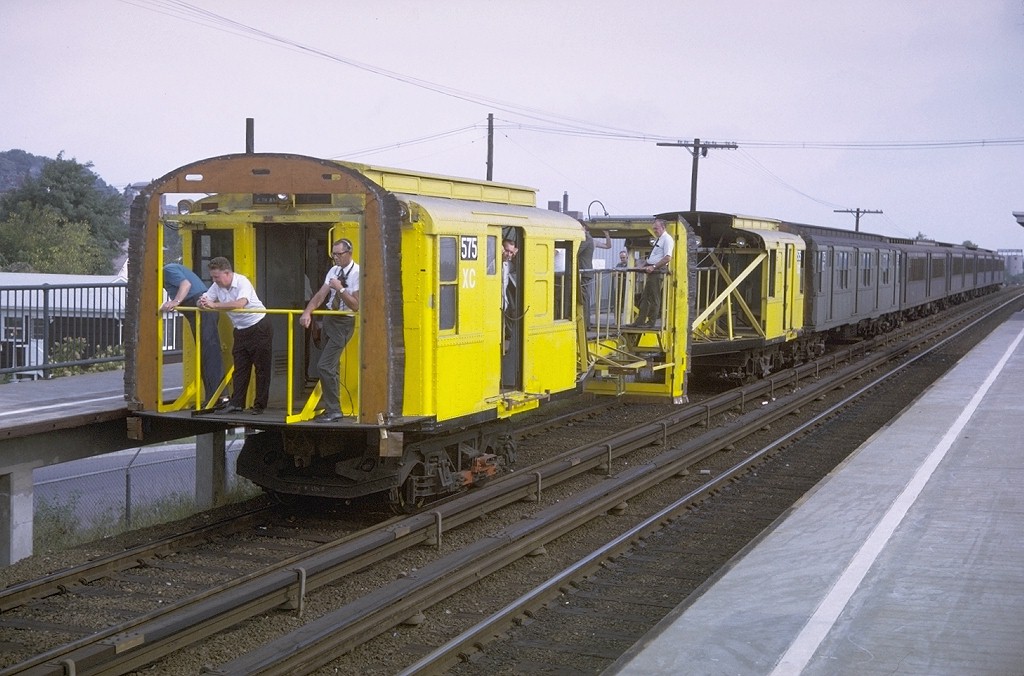
Subway systems play a crucial role in urban mobility, providing efficient public transport solutions for millions worldwide. As cities continue to expand, the demand for reliable and sustainable transportation options becomes even more pressing. The subway, often underappreciated, is emerging as a vital component in reducing traffic congestion, lowering carbon footprints, and fostering economic growth.
The Current State of Subway Systems
As of 2023, several major cities have reported significant investments in their subway infrastructures. For instance, New York City’s Metropolitan Transportation Authority (MTA) has allocated over $51 billion for renovations and upgrades, focusing on enhancing safety and reliability. Similarly, London’s Transport for London (TfL) has progressed on its ambitious £5 billion investment plan aimed at expanding the network while improving service quality. These upgrades are essential not only for maintaining operational efficiency but also for adapting to increasing passenger numbers, particularly in the post-pandemic era where urban transit systems are witnessing a resurgence in usage.
Environmental Impact and Sustainability
Subways are pivotal in promoting environmentally sustainable transport solutions. The carbon emissions associated with public transport systems are significantly lower compared to individual car usage. For instance, according to a recent report from the American Public Transportation Association, subways contribute to reducing greenhouse gases by over 45 million tonnes annually across the United States. This aspect is becoming increasingly important as cities set aggressive targets for carbon neutrality and sustainable urban development. The implementation of green technologies within subway systems, such as energy-efficient trains and regenerative braking systems, is further aiding city sustainability goals.
Future Developments and Innovations
The future of subway systems looks promising with advancements in technology and infrastructure. Cities are exploring the implementation of automated train operations, which have been successfully utilised in cities like Vancouver and Singapore, enhancing safety and transit efficiency. In addition, the integration of smart technologies such as real-time tracking apps, digital payment solutions, and contactless systems are set to revolutionise the commuter experience, making subways more accessible and user-friendly.
Conclusion
Subway systems are indispensable for modern urban life, serving as a backbone for public transport in enhancing connectivity and reducing environmental impacts. As cities navigate the challenges of urbanisation and climate change, continued investment and innovation in subway infrastructure will be vital. With increasing awareness of the need for sustainable transport solutions, the future of subways looks bright. Stakeholders must recognise their potential in shaping more liveable, efficient, and resilient urban environments.