










Introduction
Modern Family, a groundbreaking sitcom that aired from 2009 to 2020, has left a significant mark on pop culture and the evolution of family representation on television. With its clever blend of diverse family dynamics and humorous storytelling, the show has resonated with audiences across the globe, making it a staple in the landscape of modern television. Its relevance continues to endure, as discussions about family structures evolve in contemporary society.
Overview of the Show
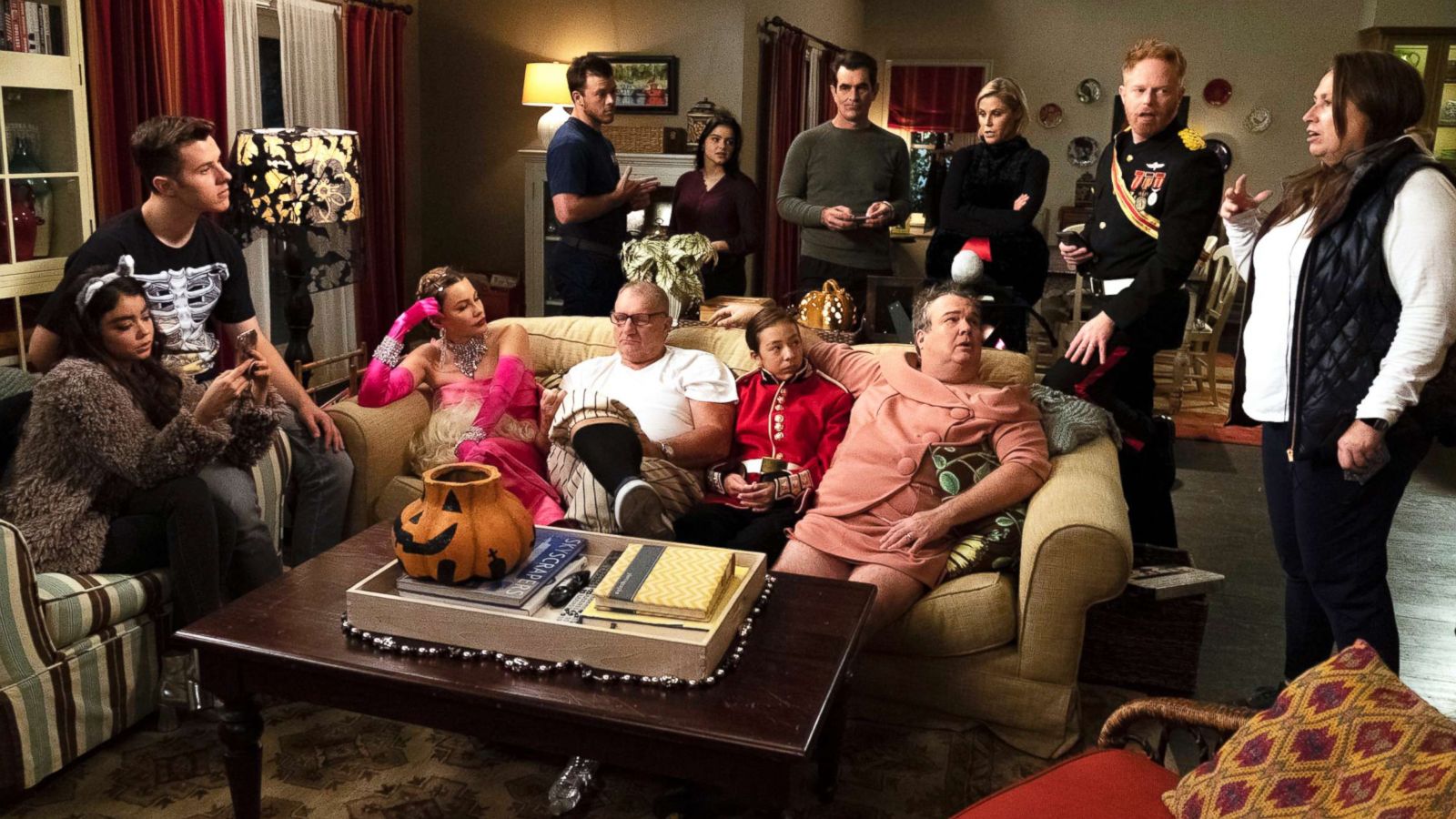
Created by Christopher Lloyd and Steven Levitan, Modern Family comprises ten seasons and 250 episodes, brilliantly weaving together the lives of three diverse families: the Dunphys, the Pritchetts, and the Tuckers. The show’s innovative mockumentary style allows characters to break the fourth wall, providing comedic commentary on the challenges and triumphs of family life. Key characters such as the witty Phil Dunphy, the stern but loving Jay Pritchett, and the fabulous Cam and Mitchell represent a broad spectrum of family experiences, from traditional to non-traditional structures.
Significant Contributions to Television
Modern Family’s success can be attributed to its unapologetic portrayal of various family structures, including blended families and same-sex couples, that reflects the diversity of modern society. This representation has sparked important dialogues surrounding LGBTQ+ issues and acceptance, as Cam and Mitchell’s relationship helped to normalise same-sex parenting on primetime television. The show also explores themes of acceptance, love, and understanding, highlighting how familial bonds can transcend societal norms.
Award-Winning Success
The series has garnered numerous accolades, including five Primetime Emmy Awards for Outstanding Comedy Series, underscoring its critical and commercial success. Many actors received individual recognition for their performances, with Ty Burrell (Phil) and Julie Bowen (Claire) among the notable winners. Modern Family’s influence is further evidenced by its enduring popularity on streaming platforms and through international adaptations.
Conclusion
Modern Family is more than just a sitcom; it is a cultural phenomenon that has shaped the way audiences view and relate to family life. As society progresses and attitudes towards family continue to evolve, the show remains a pivotal reference point in discussions about familial norms and diversity. Its blend of humour and heart not only entertains but also educates viewers, fostering a sense of community and understanding in an ever-changing world. As we look to the future, the legacy of Modern Family will likely continue to inspire new generations and influence future storytelling in television.